


Why Your Hairstyle Isn’t Holding Like It Used To
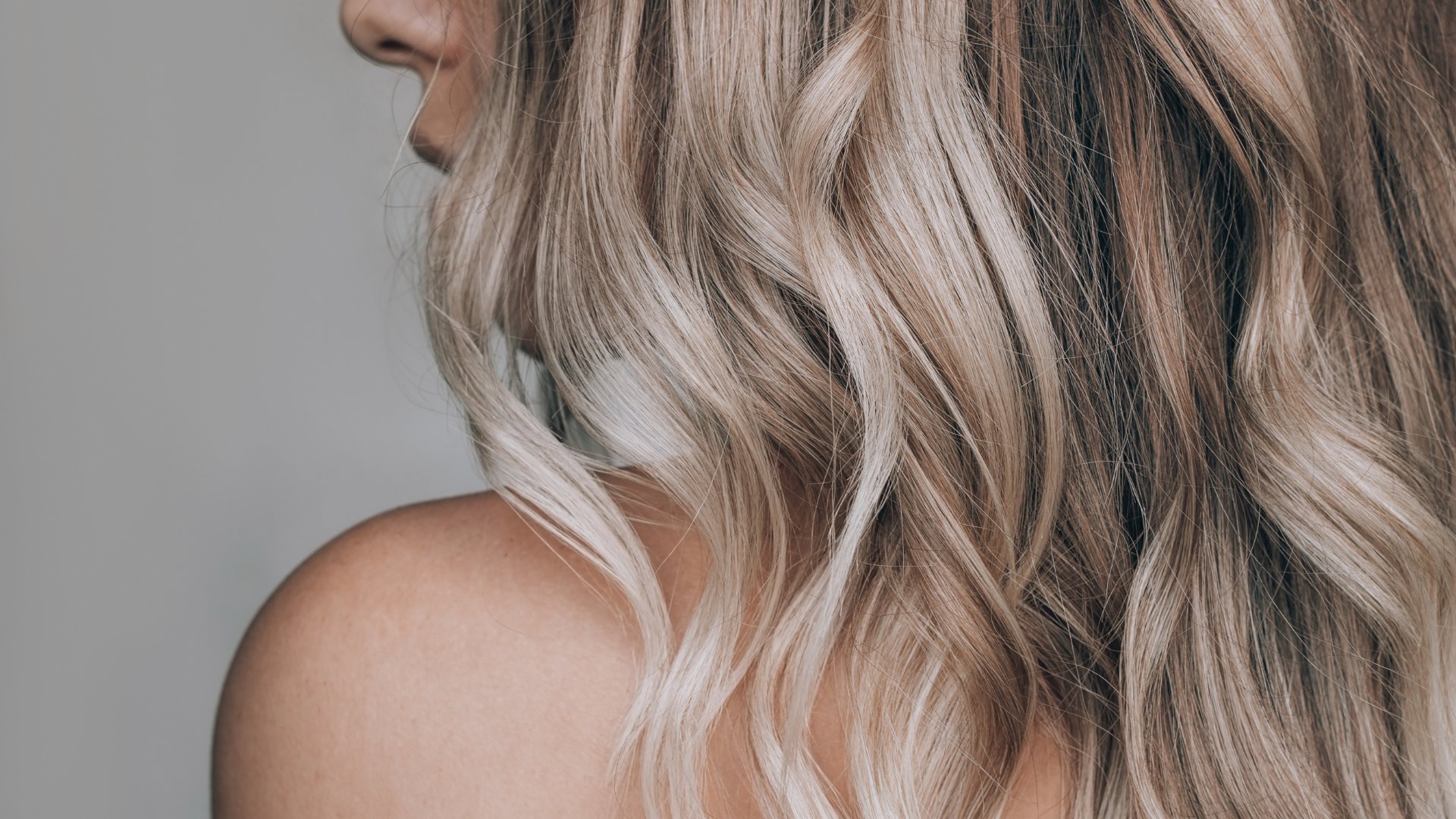
Sometimes, the hairstyle that used to carry you from morning errands to evening plans can become unreliable. If your hair starts falling flat unexpectedly, it can feel like it has suddenly stopped cooperating. However, the weather, product buildup, dryness, heat styling, and even an overdue trim can all affect how well a style holds. The good news is that once you know what is working against your hair, it becomes much easier to fix. Here are common reasons your hairstyle may not be holding up as it used to, plus ways to get your routine back on track.
Product Buildup Weighs Hair
Styling products can help your hair hold its shape, but too many can have the opposite effect. Hairspray, mousse, dry shampoo, oils, and leave-in products can build up on the hair and scalp over time. This is especially common when products are layered for several consecutive days.
That buildup can make hair feel heavy, slick, stiff, or harder to style. Heat tools and fresh styling products may not work as well when strands are coated. Using a clarifying shampoo now and then can reset the hair, then follow with conditioner to keep the ends soft.
Hairspray May Be Old
Hairspray can lose strength when it sits too long, is stored improperly, or undergoes large temperature changes. Store aerosol products according to the label and keep them away from heat. If the spray smells odd, sputters, feels newly sticky, or stops holding well, check whether your hairspray has expired before adding more. Replacing an old can may be the easiest fix in your whole routine.
Weather Changes Everything
Dry air, gusty wind, summer humidity, and winter static can all affect how hair behaves. Frizz often happens when the hair cuticle reacts to moisture in the air, while dryness can make hair less flexible and harder to smooth. That means the product that worked beautifully in October may not perform the same way in July or January.
For manageable locks, follow these weather-based haircare tips:
- In dry weather, use a lightweight leave-in conditioner to make hair flexible and easier to style.
- When it’s humid, choose an anti-frizz or humidity-resistant product to keep moisture in the air from changing your style.
- Windy days are a good time for lower-maintenance styles, such as braids, buns, or soft waves.
- Cold temperatures can increase static, so add extra moisture to keep hair from looking rough or flat.
- Hot days may require lighter styling products so sweat and oil do not weigh your hair down too quickly.
Hair Is Too Dry
Dry hair struggles to hold shape because it is often rough, brittle, or overly porous. Many hair-care products can dry hair by stripping natural oils, which may also irritate the scalp. Heat tools, sun exposure, coloring, harsh brushing, and low humidity can also contribute to dryness.
When hair is dry, adding more hairspray may create crunch without true control. It can also make the style collapse unevenly, with some pieces stiff and others frizzy. A weekly deep-conditioning treatment, gentler detangling, and less frequent heat styling can restore flexibility.
Breakage Masquerades As Frizz
Sometimes the “frizz” ruining a style is actually breakage. Short, snapped pieces around the hairline, crown, or ends can poke out no matter how carefully the rest of the hair is styled. Treating breakage gently is better than simply trying to glue it down with more product. Use a deep conditioner, avoid rough brushing, and lower the heat on styling tools. Regular trims can also keep split ends from traveling farther up the hair.
Heat Damage Reduces Hold
Hot tools can create a beautiful shape, but too much heat can make hair less cooperative over time. Flat irons, curling irons, blow dryers, and hot brushes may weaken the hair’s outer layer when used too often or too hot. A style may fall because the hair no longer has the strength or elasticity to hold it.
To use heat more gently on your hair, you can:
- Lower the heat setting when possible.
- Use a heat protectant before styling.
- Let hair partially air-dry before blow-drying.
- Rotate in heat-free styles once or twice a week.
Incorrect Product Storage
Hair products work best when they are kept clean, closed, and stored in the right place. Manufacturers uphold hygiene standards when handling cosmetic ingredients, but products still need proper care once they are in your home.
A crowded bathroom shelf can also make it harder to notice when something is old, sticky, separated, or nearly empty. Try keeping everyday products in one easy-to-reach spot and storing backups away from heat and moisture.
The Cut Grew Out
A haircut has an expiration date of its own. Layers that once gave curls bounce may become too long to support shape, while ends that were once blunt may become thin, split, or uneven. When the cut's structure changes, the style often falls flat, even if your routine is exactly the same.
This is especially noticeable with short cuts, face-framing pieces, bangs, layered curls, and volume-heavy styles. The hair may still be healthy, but the shape is no longer doing its share of the work. A trim can remove tired ends and restore the support that made the style hold in the first place.
Scalp Needs Attention
A healthy-looking style begins closer to the scalp than most people think. Oil, sweat, dry shampoo, styling residue, and flakes can interfere with lift at the roots.
For a healthier scalp, you can:
- Brush gently before washing to loosen debris.
- Shampoo the scalp rather than the ends.
- Rinse longer than feels necessary.
- Wash pillowcases and hats regularly.
As you figure out why your hairstyle isn’t holding like it used to, notice the haircare and environmental details that have changed around it. Product buildup, dry strands, old hairspray, weather shifts, heat damage, and an overgrown cut can all work against your style. The fix is usually not one dramatic product, but a few smarter habits that make your routine more reliable. Cleaner hair, fresher products, gentler heat, and the right trim can help your style hold without feeling stiff or overdone. Make small adjustments to reclaim your hair’s health and vibrance.