


Why Auto Repair Costs Are Rising in 2026
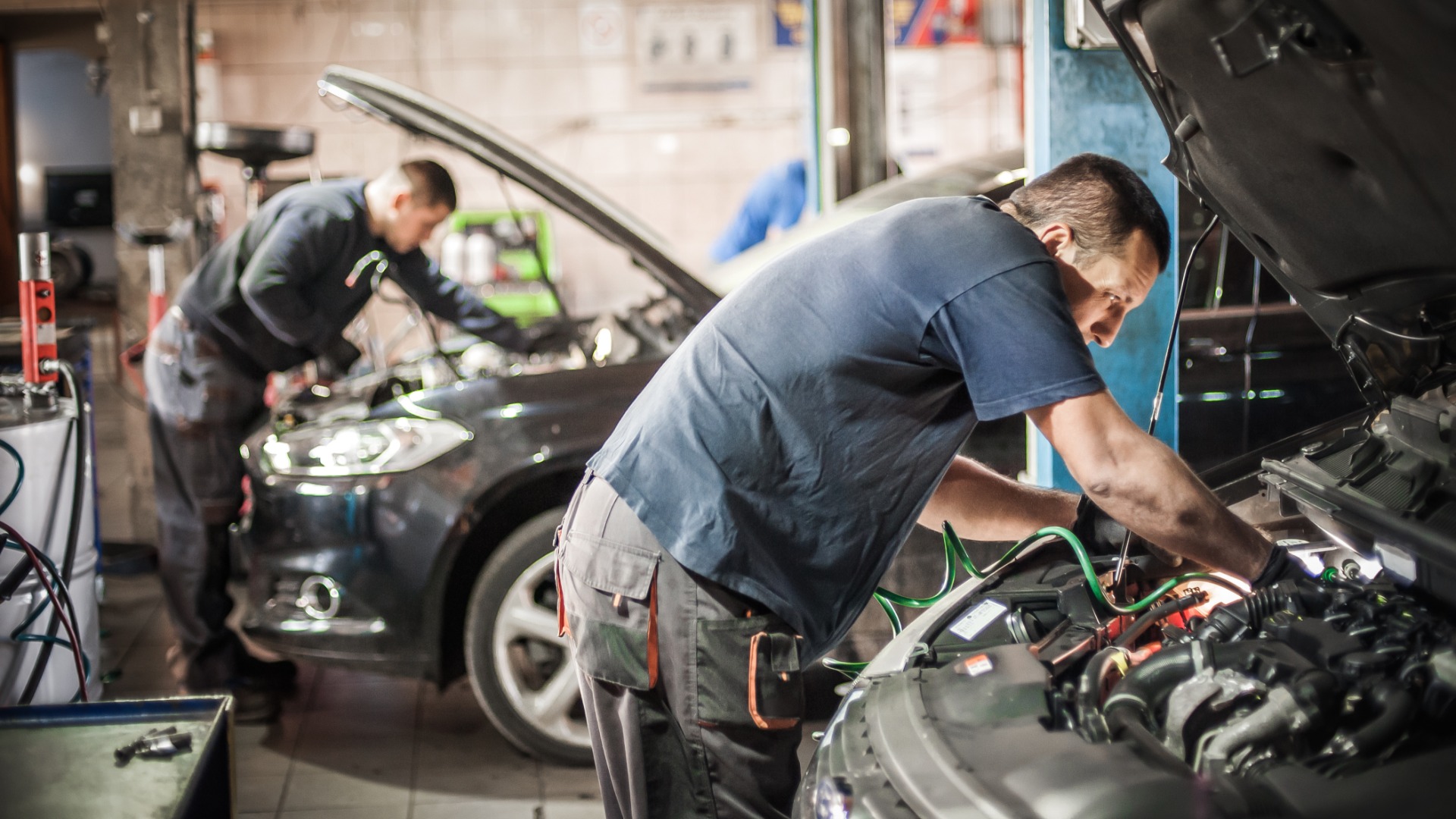
Drivers across Northeast Wyoming and Southwest South Dakota notice a steady climb in auto repair bills. Local shops and national chains alike now charge more for the same services than they did just a few years ago. This shift does not happen by accident, and it reflects several changes across the automotive industry.
When you understand these factors, you can plan ahead and avoid surprises the next time your vehicle needs attention. Let’s explore why auto repair costs are rising in 2026 and how you can afford them when things get tight.
New Technology Changes the Game
Modern vehicles rely on advanced technology that demands specialized knowledge and tools. Mechanics now work with complex computer systems, sensors, and software rather than simple mechanical parts. These upgrades improve safety and performance, but they also increase diagnostic time and repair difficulty. Shops invest in advanced equipment and pass those costs along to customers.
Electric and hybrid vehicles add another layer of complexity to the repair process. Technicians must learn new systems that involve batteries, power electronics, and software updates. Many smaller shops must pay for training programs or certifications to stay competitive. These investments contribute directly to rising repair costs in 2026.
Parts Prices Continue To Climb
Auto parts cost more today than they did even a few years ago. Supply chain disruptions and manufacturing delays still affect availability across the country. When parts become harder to source, prices increase and repair timelines stretch longer. Customers often feel the impact when they receive quotes for common repairs.
Local drivers in counties like Campbell, Weston, and Pennington see these price increases firsthand. Even basic components, such as brake pads or alternators, now come with higher price tags. Imported parts also carry additional shipping costs and tariffs that raise final prices. These combined factors push repair bills higher for everyday drivers.
Skilled Labor Comes at a Premium
Auto repair requires trained professionals who understand traditional systems and modern technology. Shops compete for skilled technicians, especially in rural areas where talent pools remain smaller. Employers raise wages to attract and retain qualified workers, which directly affects service pricing. Customers ultimately cover these increased labor costs.
Training programs also demand time and money from technicians. Many mechanics attend ongoing education sessions to stay current with new vehicle models and systems. Shops often support these efforts to maintain high-quality service standards. This commitment to expertise ensures better repairs but adds to overall expenses.
Diagnostic Time Takes Longer
Vehicles now rely heavily on computer diagnostics to identify issues. Mechanics cannot rely solely on visual inspections or simple tools to pinpoint problems. They must connect vehicles to diagnostic systems and interpret detailed data reports. This process takes time and requires specialized knowledge.
Customers sometimes expect quick answers, but modern diagnostics rarely work that way. A single issue may involve multiple systems that interact with each other. Technicians must test each component carefully to avoid misdiagnosis. A detailed approach increases labor hours and raises final repair costs.
Insurance and Shop Overhead Increase
Auto repair shops face rising operational expenses that go beyond tools and labor. Insurance premiums for businesses continue to increase, especially in industries that involve physical work and liability risks. Shop owners must cover these costs to protect their businesses and employees. They reflect those expenses in their service pricing.
Utilities, rent, and equipment maintenance also play a role in higher repair costs. Shops must maintain clean, safe, and efficient work environments for staff and customers. Modern equipment requires regular updates and servicing to function properly. These overhead costs contribute to the final bill that customers see.
What Repairs Cost More in 2026
Certain repairs show sharper price increases than others due to technology and parts availability. Drivers often notice these changes when they visit local shops for routine or unexpected service.
Understanding which repairs cost more can help you plan ahead and budget wisely. It also helps you ask better questions when you receive an estimate. Consider the following factors when trying to understand repairs in 2026:
- Brake system repairs now include sensors and electronic components.
- Transmission work requires specialized tools and expertise.
- Engine diagnostics involve advanced computer analysis.
- Electrical system repairs take longer due to complex wiring.
- Air conditioning systems use updated refrigerants and parts.
Planning for Unexpected Repairs
Even well-maintained vehicles sometimes require unexpected repairs. Drivers should prepare for these situations by setting aside funds or exploring financing options for stress-free repairs. Many local shops now offer flexible payment plans to help customers manage costs. These options allow drivers to address issues without delaying necessary work.
Budgeting for repairs provides peace of mind when something goes wrong. You avoid the stress of scrambling to cover unexpected expenses. Local communities benefit when drivers keep their vehicles safe and reliable. This approach supports individual needs and regional safety.
How To Navigate Rising Costs
Drivers can take several steps to manage rising auto repair costs in 2026. First, they should build relationships with trusted local repair shops. A reliable mechanic provides honest advice and prioritizes necessary work. This trust can lead to better outcomes and fewer surprises.
Second, drivers should request detailed estimates before approving repairs. Clear communication can prevent misunderstandings and unexpected charges. It also allows customers to compare options when possible. Taking an active role in the process gives drivers more control over their expenses.
Looking Ahead at the Industry
The automotive industry will continue to evolve in the coming years. New technology, stricter regulations, and changing consumer preferences will shape repair practices. Shops will adapt to these changes by investing in training and equipment. Drivers will likely see continued shifts in pricing as a result.
Communities across Wyoming and South Dakota will also play a role in how the industry develops locally. Support for skilled trades and training programs can address labor shortages. Local investment in infrastructure and education can strengthen the repair industry. These efforts may stabilize costs over time.
Auto repair costs continue to rise in 2026 due to technology, labor, parts, and regional factors. Drivers in Northeast Wyoming and Southwest South Dakota feel these changes as they maintain their vehicles. While these trends may not reverse quickly, informed drivers can take steps to manage their expenses. With the right approach, you can keep your vehicle running smoothly without letting costs catch you off guard.