


Water Rescue Safety Tips for First Responders
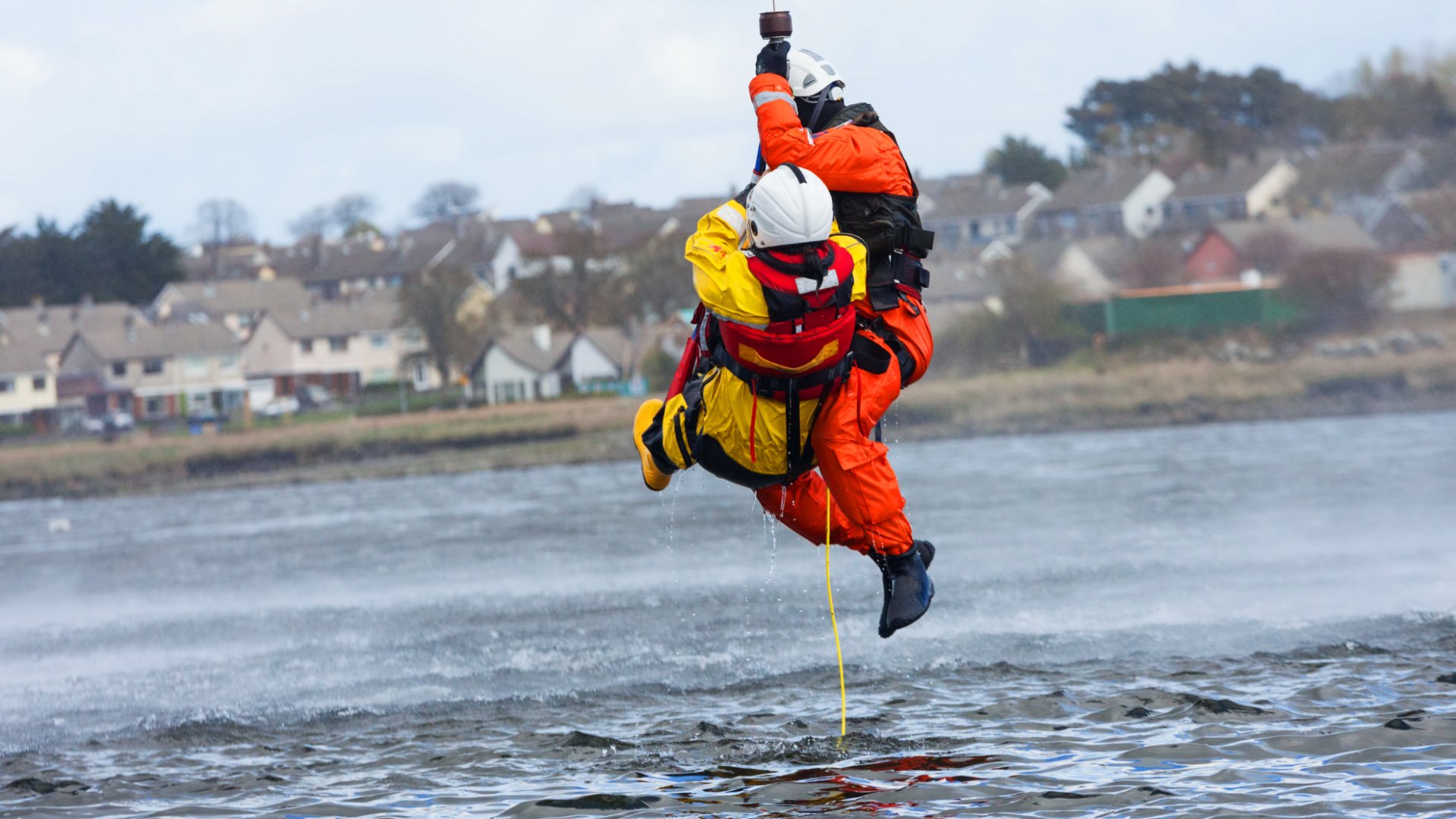
Water rescue calls can shift from controlled to dangerous in seconds. First responders often arrive when people feel scared, tired, trapped, or injured, and the scene rarely gives crews a perfect setup. Fast water, cold temperatures, poor visibility, unstable ground, and panicked victims can all create pressure before a team even enters the water.
That pressure makes preparation critical. Strong water rescue work starts before the call comes in, continues through every decision on scene, and carries through cleanup and review afterward. When responders slow the situation down mentally, communicate clearly, and respect the power of water, they give victims a better chance while protecting the team. These water rescue safety tips for first responders that will keep the entire team safe.
Read the Scene First
A water rescue scene can fool even experienced responders. Calm-looking water may hide strong currents, drop-offs, debris, strainers, or submerged hazards. Floodwater can carry chemicals, sharp objects, fuel, sewage, and electrical risks. Ice, mud, moving vehicles, and damaged structures can also turn the shoreline into a hazard zone.
Before anyone moves toward the water, the team should size up the scene. Look at access points, water speed, victim location, weather, lighting, terrain, and downstream hazards. Identify where the water may carry a responder or victim if something goes wrong. A strong plan includes entry points, rescue options, backup positions, and exit routes.
Responders should also keep bystanders away from unstable banks and moving water. Family members or witnesses may try to help, especially when they feel desperate. Clear direction from the start can prevent a second emergency.
Use the Safest Rescue Option
First responders often hear the phrase reach, throw, row, go during water rescue training. That sequence works because it pushes teams toward lower-risk choices first. A responder should avoid entering the water when a safer option can reach the victim.
A long pole, rope bag, flotation device, ladder, boat, or aerial platform may help without direct water entry. When crews can keep responders on stable ground, they reduce risk for everyone involved. Direct contact rescues demand more skill, more gear, and stronger backup.
Some situations still require responders to enter the water. When that happens, the team needs clear roles, a controlled entry, and a strong downstream safety plan. No one should improvise a water entry because the scene feels urgent. Urgency calls for discipline, not shortcuts.
Wear the Right Gear
Personal protective equipment can make the difference between a controlled rescue and a responder in distress. Each responder near the water should wear a properly fitted personal flotation device. Helmets, thermal protection, gloves, boots, eye protection, and lighting can also support safety, depending on the scene.
Teams should inspect gear often, not just after major calls. Buckles, straps, ropes, carabiners, throw bags, knives, dry suits, and communication equipment need regular checks. A damaged gear can fail when crews need it most.
This planning also includes certain supplies water rescue emergency response teams need, such as flotation devices, rope systems, rescue boards, waterproof lights, thermal blankets, medical supplies, and decontamination items. Teams should store those tools in a way that supports fast deployment. A rescue truck packed without a clear system can waste valuable time during a high-stress call.
Communicate With Purpose
Water, wind, distance, sirens, darkness, and stress can make communication difficult. Teams need simple commands, confirmed assignments, and a shared understanding of the rescue plan. Everyone should know who leads the scene, who monitors safety, who handles ropes, who watches downstream, and who manages medical care.
Responders should use direct language. A team member who sees a hazard should call it out immediately. A rescuer who feels fatigued, cold, tangled, or unsure should speak up before the problem grows. Clear communication protects the victim and the crew.
Hand signals can help when noise or distance blocks verbal commands. Radios also need protection from water and clear channel assignments. A team that practices communication before a call can perform with more confidence when conditions deteriorate.
Respect Moving Water
Moving water has tremendous force. Even shallow floodwater can knock adults off their feet, sweep vehicles away, and pin victims against obstacles. Responders should never judge water by depth alone. Speed, debris, slope, and surface conditions all affect risk.
Strainers create one of the most dangerous hazards. Trees, fences, railings, culverts, and debris piles can allow water through while trapping people or equipment. A responder can lose control quickly near those obstacles.
Low-head dams create another serious threat. The hydraulic current can pull people back toward the dam again. Crews should approach those scenes with extreme caution and use specialized tactics.
Cold water adds more danger. A responder can lose strength and coordination fast. Thermal protection, rotation plans, and quick medical assessment help reduce cold-related risks for both victims and responders.
Keep Training Realistic
Water rescue skills fade without practice. Teams need training that reflects real conditions, including poor visibility, cold weather, moving water, rope handling, boat operations, night work, and victim contact. Classroom knowledge helps, but hands-on practice builds the judgment responders need under pressure.
Training should also include decision-making. Crews need to practice when not to enter, when to reposition, when to request more resources, and when to change tactics. A strong rescuer knows that bravery without judgment can place the whole team in danger.
Scenario training can also reveal gaps in equipment, staffing, communication, and response time. Those lessons help leaders improve procedures before the next emergency.
Manage Victim Behavior
People in the water may panic, ignore commands, grab at rescuers, or struggle against help. Fear can make a victim unpredictable. Responders should expect that behavior and plan for it.
Clear, calm instructions can help. Tell the victim what to grab, where to look, and what will happen next. Use simple words and repeat directions when needed. If the victim can hold a flotation, get it to them as soon as possible.
Direct contact rescues require strong training because a panicked victim can pull a rescuer under. Responders should approach carefully, use flotation, and maintain an escape option. The goal involves control, not wrestling. A rescuer who loses control may become another victim.
Watch the Team’s Limits
First responders often push through fatigue because the job demands action. Water rescue punishes that mindset. Cold, current, heavy gear, stress, and repeated attempts can drain responders quickly.
Incident leaders should rotate crews before exhaustion affects judgment. Safety officers should watch for shivering, confusion, slow movement, frustration, and tunnel vision. Responders should also monitor each other. A teammate may notice danger before the rescuer recognizes it.
Hydration, warming areas, rehab, and medical checks all support team performance. The rescue may end for the victim, but responders still need care after they leave the water.
Plan for Medical Care
Water rescue often involves more than extraction. Victims may face drowning-related breathing problems, hypothermia, trauma, shock, contamination, or medical emergencies that led to the incident. Medical teams should prepare before crews bring the victim out.
A clear transfer area helps. Responders need room to remove wet gear, assess breathing, manage body temperature, treat injuries, and start transport. Good coordination between rescue and medical teams reduces confusion during the handoff.
Responders should also treat floodwater and contaminated water seriously. After the call, crews need handwashing, gear cleaning, and exposure reporting when appropriate. Protecting health after the rescue helps keep the team ready for the next response.
Stay Ready for the Next Call
Water rescue demands skill, patience, and respect for forces no responder can overpower. The best teams don’t rely on adrenaline. They rely on preparation, communication, training, and disciplined choices.
First responders will safely perform a water rescue when they understand the scene, choose the safest tactic, use the right gear, and care for each other throughout the call. Every rescue brings pressure, but a prepared team can move with purpose instead of panic.
Water will always create uncertainty. Strong habits help responders meet that uncertainty with clear eyes, steady hands, and a plan that protects everyone on scene.