


Vital Medical Equipment Emergency Response Teams Use
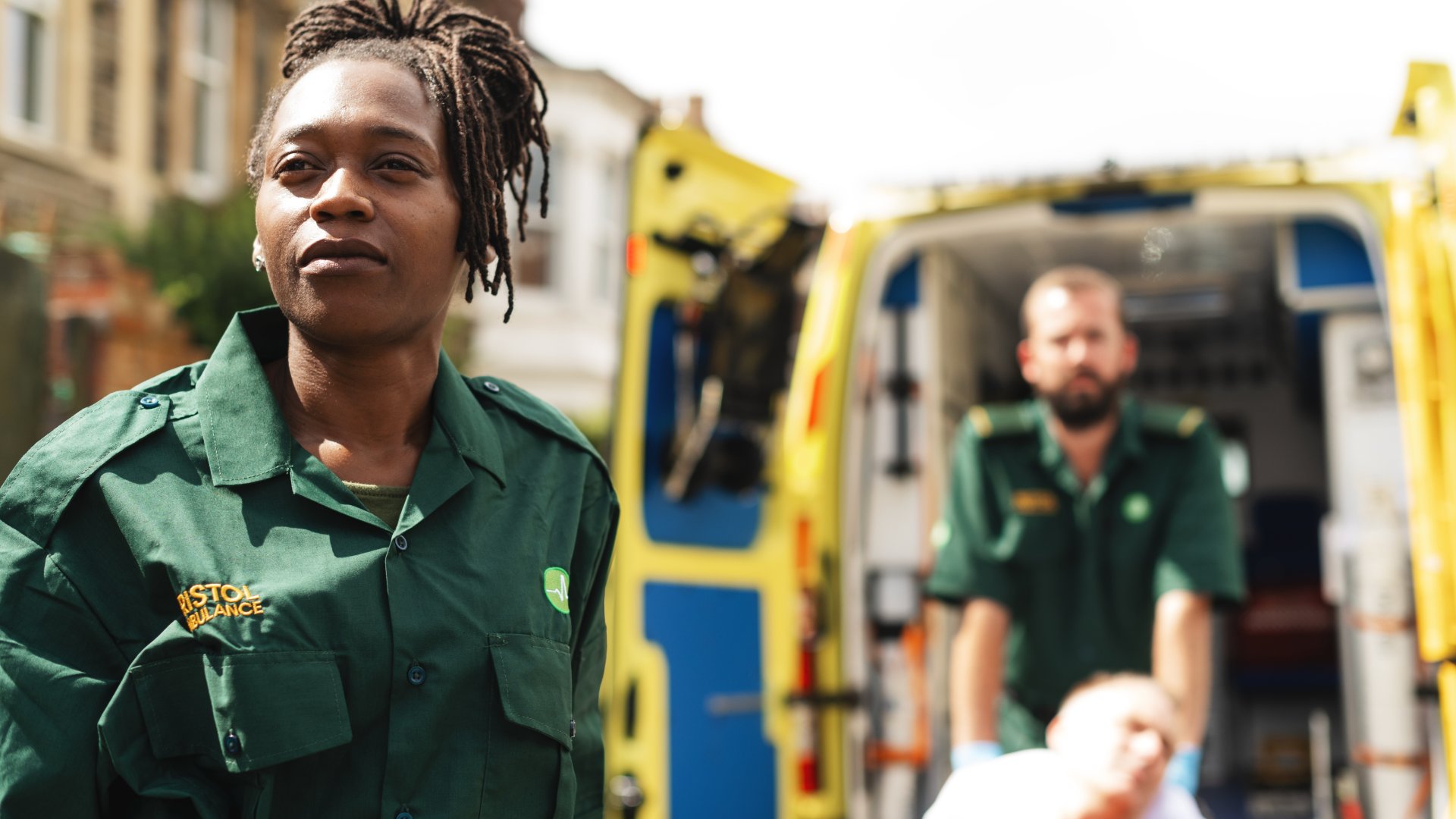
Emergency response teams walk into unpredictable situations every day. They may arrive at a car crash, a house fire, a natural disaster, a mass gathering, or a medical emergency inside a workplace. They don’t get the comfort of a quiet exam room or a full hospital staff standing nearby. They need equipment that helps them assess patients fast, make smart decisions, and start care before the patient reaches a hospital.
The right tools help responders move with confidence during the first critical minutes. Each piece of equipment supports a clear purpose, from checking breathing to controlling bleeding to keeping a patient stable during transport. While every call brings different risks, emergency teams rely on a core set of medical equipment that helps them treat injuries, monitor changes, and communicate what they find.
Assessment Tools
Emergency care starts with assessment. Responders need to know what’s happening inside the body before they can decide what to do next. Basic assessment tools give them quick information about breathing, circulation, temperature, and neurological status.
A stethoscope helps responders listen to lung sounds, heart tones, and blood pressure. In loud or chaotic environments, a quality stethoscope makes a real difference because responders need clear sound when they have little room for error. A blood pressure cuff gives them another key piece of the puzzle. Low blood pressure can point to shock, internal bleeding, dehydration, or a serious cardiac issue.
Thermometers also help teams spot fever, hypothermia, or heat-related illness. During outdoor rescues, athletic events, and disaster response, temperature readings can guide early treatment. A penlight helps responders check pupil response, look inside the mouth, and examine injuries in dim spaces. These small tools may look simple, but they guide major decisions in the field.
Airway and Breathing Support
Breathing problems can turn dangerous quickly, so emergency response teams carry equipment that helps them open airways and support oxygen flow. A patient may struggle to breathe because of trauma, choking, allergic reaction, illness, smoke exposure, or overdose. Responders need tools that help them act right away.
Oxygen tanks, regulators, masks, and nasal cannulas allow teams to deliver oxygen based on the patient’s condition. Some patients need a low flow through a cannula, while others need higher oxygen levels through a non-rebreather mask. Bag-valve masks help responders assist breathing when a patient can’t breathe well enough alone.
Airway adjuncts also play an important role. Oropharyngeal and nasopharyngeal airways help keep the airway open when a patient loses consciousness or can’t maintain a clear airway. Suction units remove fluids, vomit, or blood from the mouth and throat. Without suction, responders may struggle to maintain breathing support during trauma or medical emergencies.
Monitoring Equipment
Emergency teams don’t just check a patient once. They monitor changes as care continues. A patient can look stable during the first few minutes and decline during transport. Monitoring equipment helps responders catch those changes early.
Pulse oximetry is essential for these teams because it gives fast information about oxygen saturation and pulse rate. A small sensor clips onto a finger, toe, or earlobe and helps responders track how well oxygen moves through the bloodstream. When readings drop, teams can adjust oxygen support, reassess breathing, or prepare for advanced care.
Cardiac monitors and portable electrocardiogram devices help responders assess heart rhythm. Chest pain, shortness of breath, dizziness, and fainting can all point to heart problems. A monitor helps teams identify abnormal rhythms and share important findings with hospital staff before arrival. Some devices also track blood pressure, oxygen levels, and heart rate in one unit, which helps teams manage care during transport.
Glucometers also belong in many response kits. Low or high blood sugar can cause confusion, weakness, seizure-like activity, or loss of consciousness. A quick blood sugar check helps responders identify a treatable cause and choose the next step.
Defibrillators
Automated external defibrillators and advanced defibrillators can save lives during sudden cardiac arrest. When the heart stops pumping effectively, every minute counts. An AED analyzes the heart rhythm and tells responders when a shock may help restore a workable rhythm.
Many public spaces now keep AEDs on-site, but emergency teams still carry their own devices. Responders train to use them quickly, safely, and correctly. Advanced teams may use manual defibrillators that allow more control during cardiac emergencies. These devices often pair with cardiac monitors, which gives trained responders more information during treatment.
Defibrillators don’t work alone. Teams also perform chest compressions, manage the airway, deliver oxygen, and follow local protocols. Still, defibrillation remains one of the most recognizable and important tools in emergency cardiac care.
Bleeding Control Supplies
Severe bleeding can become life-threatening in minutes. Emergency teams carry supplies that help them slow or stop blood loss before the patient reaches surgical care. Trauma dressings, gauze, pressure bandages, and hemostatic dressings all support bleeding control.
Tourniquets also play a major role in emergencies that involve major limb bleeding. Responders use them when direct pressure can’t control the bleeding or when the injury calls for stronger intervention. Modern tourniquets work quickly and give teams a reliable way to control severe extremity bleeding.
Chest seals help treat certain chest injuries. When a penetrating wound affects the chest, air can enter the chest cavity and interfere with breathing. A chest seal helps protect the wound and supports better respiratory function while the team moves the patient toward advanced care.
Immobilization Gear
Many emergency calls involve falls, collisions, sports injuries, or workplace accidents. Responders need equipment that protects injured bones, joints, and the spine during movement. Splints, cervical collars, backboards, scoop stretchers, and vacuum mattresses help teams limit movement and reduce further injury risk.
Splints support fractures, sprains, and dislocations. They also reduce pain by keeping the injured area steady. Cervical collars help stabilize the neck when responders suspect a spinal injury. Stretchers and transport devices help teams move patients from tight spaces, uneven terrain, or crowded areas.
Immobilization doesn’t mean responders treat every injury the same way. They assess the patient, the scene, and the mechanism of injury. Then they choose the equipment that supports safe movement and practical care.
Medications and Delivery Tools
Many emergency response teams carry medications based on their training level, local rules, and medical direction. Basic teams may carry oxygen, aspirin, oral glucose, epinephrine auto-injectors, and naloxone. Advanced teams may carry a broader range of medications for pain, cardiac problems, seizures, allergic reactions, breathing distress, and other emergencies.
The delivery tools matter just as much as the medications. Syringes, IV catheters, intraosseous access devices, nebulizers, and medication bags help responders give treatment in the field. A nebulizer can deliver medication during breathing emergencies. IV supplies help advanced teams give fluids or medication when the patient needs direct access to the bloodstream.
Medication storage also requires attention. Teams need organized bags, clear labels, and proper temperature control when required. During stressful calls, responders need to find the right medication fast and confirm the dose with confidence.
Personal Protective Equipment
Responders can’t help patients well when they put themselves at unnecessary risk. Personal protective equipment helps teams work around blood, body fluids, smoke, debris, chemicals, and infection risks. Gloves, masks, gowns, eye protection, helmets, and respirators all support safer care.
Different scenes call for different protection. A minor medical call may only require gloves and eye protection. A crash scene may require reflective gear, helmets, and sturdy footwear. A hazardous materials incident may require specialized suits and respiratory protection.
PPE also helps responders protect patients. Clean gloves, masks, and proper handling reduce exposure during care. Emergency work often moves fast, but teams still need habits that protect everyone involved.
Prepared Teams Save Time
Vital medical equipment emergency response teams use helps them bring practical care into unpredictable environments. From airway tools and monitors to bleeding control supplies and defibrillators, each item supports faster decisions and safer treatment.
Emergency responders don’t carry equipment for show. They carry it because real patients need help in parking lots, homes, offices, fields, highways, and disaster zones. When teams train with their tools, organize their supplies, and maintain their gear, they can focus on the person in front of them. That readiness can turn a chaotic emergency into a more controlled path toward care.