


Strategies for Managing Large-Scale Landscaping Jobs
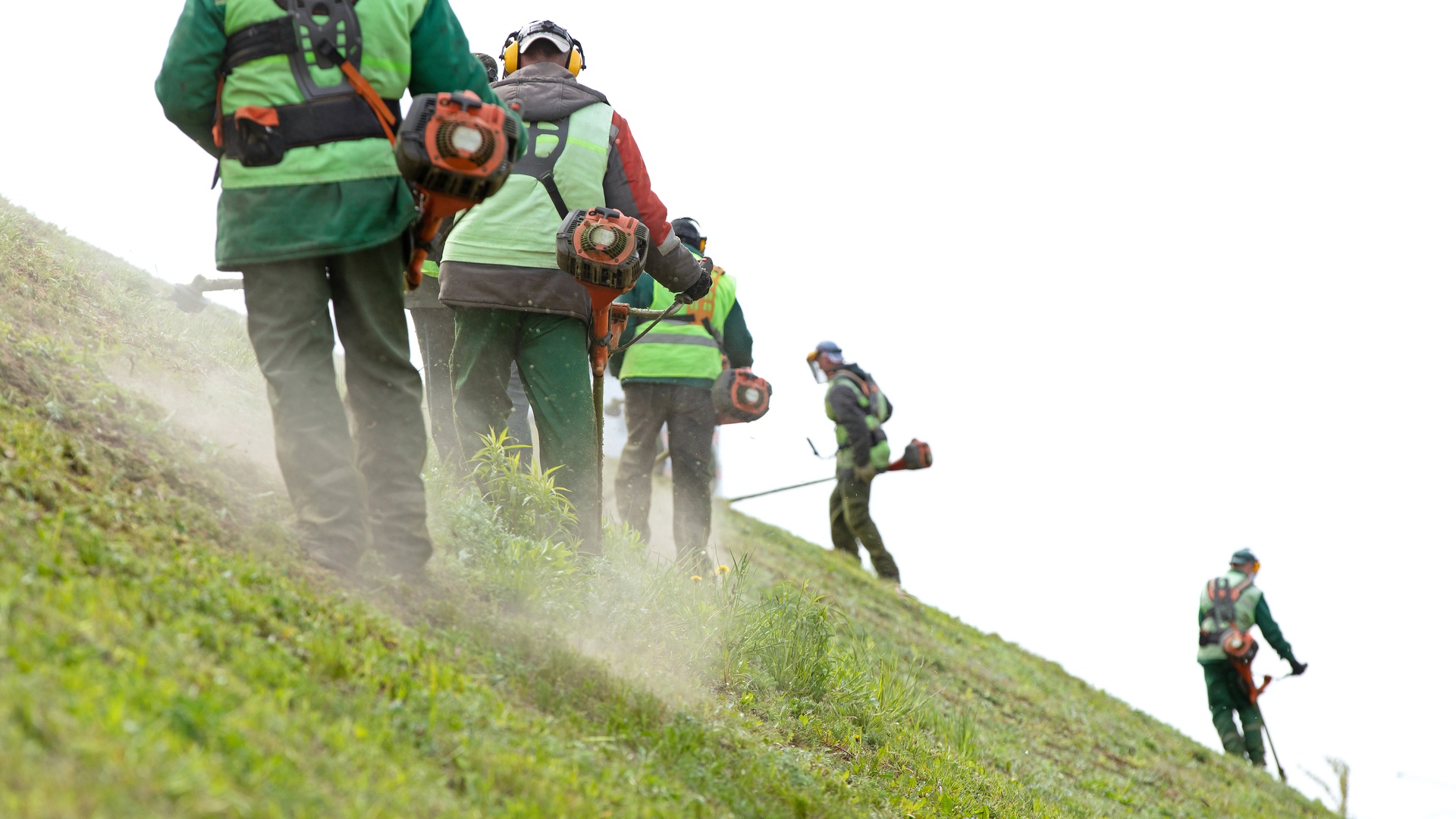
Most large-scale landscaping jobs can look fairly manageable from the outside. Bigger properties and larger contracts suggest more opportunity. On the ground, though, scale changes everything. A job that covers a significant amount of acreage or multiple phases can expose weak planning almost immediately.
That’s why success in this kind of work depends on more than skill in the field. For businesses that want to protect margins and stay efficient, it helps to understand the best strategies for managing large-scale landscaping jobs.
Build the Job Around a Clear Production Plan
A large project gets expensive fast when the crew is making daily decisions without a strong plan in place. People may stay busy, but busy isn’t the same as productive. If the work sequence feels loose, the job starts absorbing time in ways that are hard to recover later.
A good plan should define how the site moves from one stage to the next. It should show where work starts, what has to happen before the next phase begins, and how crews hand off progress without confusion. When that structure is clear, the entire job feels easier to control.
That framework also helps when conditions change. A weather delay or a material issue can disrupt the schedule, but a company with a solid plan can adjust faster because the job already has direction.
Match Crew Size to the Real Workload
Adding more people to a large site doesn’t always improve results. In some cases, it creates congestion and makes supervision harder. A crew should match the workload and the site’s layout.
That means looking beyond total headcount. A spread-out property with long travel distances needs a different setup than a compact site with easy access. When labor fits the site, crews stay productive and spend less time waiting for direction.
This also makes labor waste easier to spot. When the crew structure makes sense, managers can see sooner whether delays stem from site conditions or from how they assigned the work.
Use Equipment With Intent
Equipment can improve a large landscaping job, but only when assigned with purpose. Machines that sit idle or show up too early don’t move the project forward. They add cost and create more coordination work.
The strongest companies treat equipment as part of the production flow. A skid steer or hauling setup should support a specific phase and arrive when the site is ready for it. That discipline reduces downtime and helps the crew keep momentum.
This is also where broader land management thinking can help. Teams that look for innovative ways to make a vegetation program more efficient can sharpen landscaping work on a larger site in ways your business hasn’t tried before.
Break the Site Into Clear Zones
Large jobs become easier to manage after dividing the site into zones. Doing this gives supervisors a clearer view of progress and helps crews stay focused on the work at hand. It also reduces the sense that everyone is working everywhere at once.
Zones create accountability because each area has a defined status. One section may still be in grading while another is ready for planting. That clarity makes scheduling easier and helps subcontractors stay aligned with the pace of the job.
It also improves communication with clients. Instead of giving broad updates, the company can explain progress by zone and show how the site is moving toward completion as planned.
Tighten Daily Communication
Large projects don’t just lose time in major delays. They also lose time to small misunderstandings that keep recurring throughout the week. A crew that starts the day without clear direction can waste the first hour correcting assumptions instead of producing real work.
That’s why daily communication is a key strategy for managing a large-scale landscaping job. This doesn’t require long meetings. The best teams keep it short and specific. Everyone should understand what success looks like that day and what issues could slow progress if not addressed early.
Watch Material Flow as Closely as Labor
Material delays can quietly damage a large landscaping job. Even a skilled crew will lose momentum if key items don’t arrive when they are needed. On a larger project, those timing problems can ripple through the rest of the schedule.
That’s why material flow needs active management from start to finish. Companies should know what is arriving, where it will be staged, and whether the site is ready to receive it. Good coordination prevents the job from becoming a storage problem rather than a production process.
This matters even more when living material is involved. Plants do not wait patiently for the schedule to catch up. Poor timing can create extra handling and quality issues that cut into profit.
Keep Quality Control Moving With the Work
Quality control works better during production than after the fact. On these kinds of job sites, waiting too long to inspect grading or installation details can turn a small issue into a large correction. That kind of rework is expensive and usually avoidable.
The smarter approach is to build checkpoints into the flow of the job. Supervisors should review critical work before the next phase starts so mistakes do not get buried. This keeps standards high without slowing the project more than necessary.
It also protects client confidence. A company that catches issues early looks far more in command than one that discovers problems after the site should already be nearing completion.
Manage the Pace, Not Just the Deadline
It’s important to recognize that a large landscaping job can feel too chaotic, even when staying on schedule. That usually happens when the team focuses too much on the final deadline and not enough on maintaining the right pace throughout the project. A rushed recovery late in the job often creates mistakes that erase earlier gains.
The better approach is to manage rhythm across the life of the work. Crews should move with steady production and realistic daily targets. When the pace is sustainable, the project becomes easier to supervise and easier to finish well.
That steady rhythm often separates the companies that grow with confidence from the ones that stay stuck solving avoidable problems. On large landscaping jobs, strong results usually come from controlled execution more than last-minute effort.