


Specialized Textiles That Make Healthcare More Effective
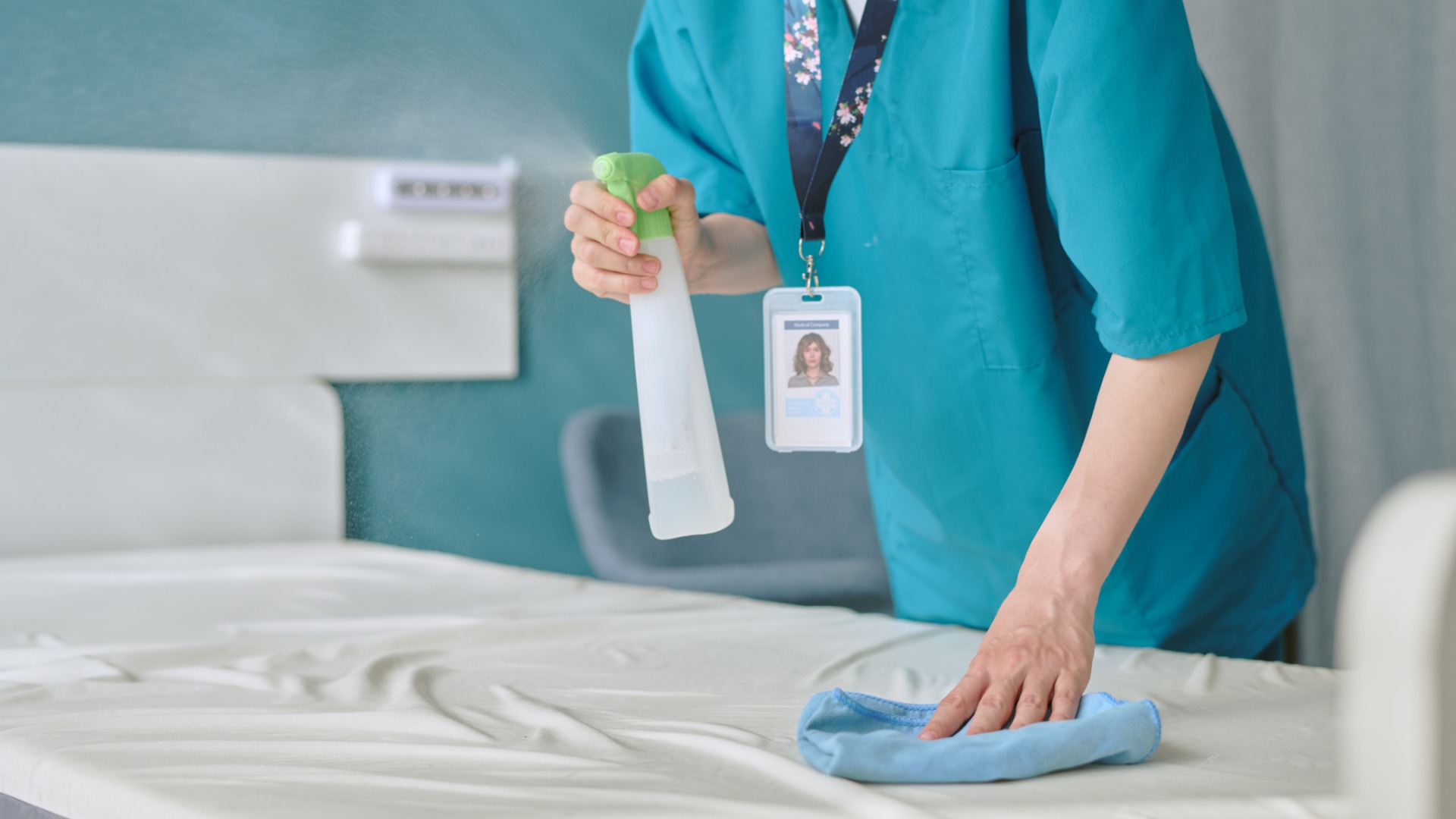
Healthcare systems continue to evolve through innovation that enhances patient safety, clinical precision, and operational efficiency across diverse care environments. Among these innovations, specialized textiles have transformed how facilities manage hygiene and comfort within demanding medical contexts. These engineered materials support infection control and elevate patient experiences through advanced design and functional performance.
Modern hospitals rely on textiles that serve more than basic coverage, as materials now integrate antimicrobial properties and structural strength. Such advancements allow healthcare providers to maintain strict standards without compromising comfort or usability across clinical applications. As expectations rise, these specialized textiles that make healthcare more effective continue to shape outcomes through targeted solutions that align with medical priorities and patient needs.
Infection Control Through Engineered Fabrics
Medical textiles reduce contamination risks through tightly controlled fiber structures that block pathogens and fluids from penetrating protective layers. These materials support sterile environments and help healthcare staff maintain safety during procedures that expose them to harmful biological agents. Hospitals depend on such fabrics to lower infection rates and protect vulnerable patients who face serious complications from even minor exposure.
Engineered barriers within these textiles prevent fluid transfer while allowing breathability, a balance that supports comfort and extended wear during demanding shifts. Manufacturers select fibers that resist microbial growth and maintain integrity after repeated use or sterilization cycles within strict hospital protocols. This approach ensures reliable protection without sacrificing usability or flexibility in clinical practice.
Patient Comfort and Recovery Support
Specialized textiles enhance patient comfort through soft surfaces that reduce irritation and pressure during extended hospital stays or treatment sessions. These materials adapt to body contours and regulate temperature, which helps patients rest and recover more effectively during critical care periods. Comfortable fabrics can also reduce stress, as they create a more supportive environment that encourages healing and emotional stability.
Healthcare providers use advanced textiles in bedding, gowns, and support surfaces to address physical and psychological patient needs. These fabrics often include moisture control features that maintain dryness and prevent skin damage during prolonged contact. Such innovations contribute to better recovery outcomes and improve the overall patient experience within clinical environments.
Durability in High-Demand Environments
Hospitals require textiles that withstand frequent washing, sterilization, and continuous use without loss of performance or structural integrity. Durable materials reduce replacement costs and ensure consistent protection across repeated cycles of intense operational demand in healthcare facilities. Engineers design these fabrics with strong fibers and reinforced structures that resist wear and maintain function under pressure.
High-performance textiles maintain their protective qualities even after exposure to harsh cleaning agents and high-temperature sterilization processes. This resilience supports infection control protocols and ensures that staff can rely on their protective gear during critical procedures. Long-lasting materials also contribute to sustainability efforts within healthcare systems that seek to reduce waste and resource consumption.
Fluid Resistance and Barrier Performance
Medical textiles often feature advanced coatings or layered constructions that block fluid penetration while preserving flexibility and comfort for healthcare workers. These barriers prevent exposure to blood, bodily fluids, and contaminants that pose significant health risks in clinical environments. Reliable fluid resistance ensures that protective garments perform effectively during surgeries and emergency procedures.
Designers carefully balance impermeability with breathability to avoid heat buildup and discomfort during extended wear in demanding conditions. This balance allows healthcare professionals to remain focused on patient care without distraction from restrictive or uncomfortable clothing. Effective barrier performance plays a key role in maintaining safety standards across diverse medical applications.
Adaptability Across Medical Applications
Specialized textiles serve a wide range of purposes, from surgical drapes and gowns to wound care products and implantable materials. Each application requires unique properties that address specific clinical needs and regulatory standards within healthcare systems. Engineers tailor fiber composition, structure, and treatment methods to achieve the desired performance.
This adaptability allows healthcare providers to select materials that align with precise treatment goals and operational requirements. Flexible textile solutions support innovation in medical devices and procedures that demand reliable and specialized material performance. As a result, textiles continue to evolve alongside advancements in medical science and technology.
Nonwoven Materials in Medical Sewing
Nonwoven materials play a significant role in medical sewing through their versatility, strength, and ability to meet strict hygiene requirements across applications. These textiles offer advantages such as cost efficiency and consistent quality for products. Manufacturers select nonwoven options for their adaptability and reliable performance in demanding healthcare environments.
Learning about the pros and cons of nonwoven materials in medical sewing will help professionals make informed decisions about material selection and product design. Understanding these factors ensures appropriate use across applications that require a balance between durability, comfort, and cost considerations. This knowledge supports improved outcomes and efficient production processes within the healthcare textile industry.
Sustainability and Environmental Impact
Healthcare systems face growing pressure to reduce environmental impact while maintaining high standards of patient care and safety. Specialized textiles contribute to this effort through recyclable materials and designs that minimize waste without compromising performance. Manufacturers explore eco-friendly fibers and production methods that align with sustainability goals in modern healthcare.
Balancing disposability with environmental responsibility presents a complex challenge for hospitals and textile producers. Reusable textiles require energy and resources for cleaning, while disposable options generate waste that requires responsible management. Ongoing innovation seeks to address these challenges through smarter material choices and improved lifecycle management strategies.
Safety and Compliance Standards
The specialized textiles that make healthcare more effective meet strict regulatory standards that ensure safety, reliability, and effectiveness in clinical environments. These standards cover aspects such as biocompatibility and performance under various conditions that healthcare professionals encounter daily. Compliance ensures that materials do not introduce additional risks to patients or staff.
Manufacturers conduct extensive testing to verify that textiles meet these requirements before they reach healthcare facilities. This process includes evaluation of durability, resistance to contamination, and overall functionality in real-world scenarios. Adherence to standards builds trust and ensures consistent quality across medical textile products.
Specialized textiles continue to transform healthcare through innovations that improve safety, comfort, and efficiency across a wide range of medical applications. These materials support patients and professionals, as they address critical challenges in infection control and performance. Their role continues to expand as technology and research introduce new possibilities for advanced medical fabrics.
As healthcare systems evolve, the demand for high-performance textiles will continue to grow alongside advancements in medical science and patient care. Ongoing innovation will shape the future of these materials, as designers seek to balance functionality, sustainability, and cost-effectiveness. Through careful development and application, specialized textiles will remain a key component of effective and modern healthcare systems.Top of FormBottom of FormTop of FormBottom of Form