


Production Bottlenecks That Start With Utilities
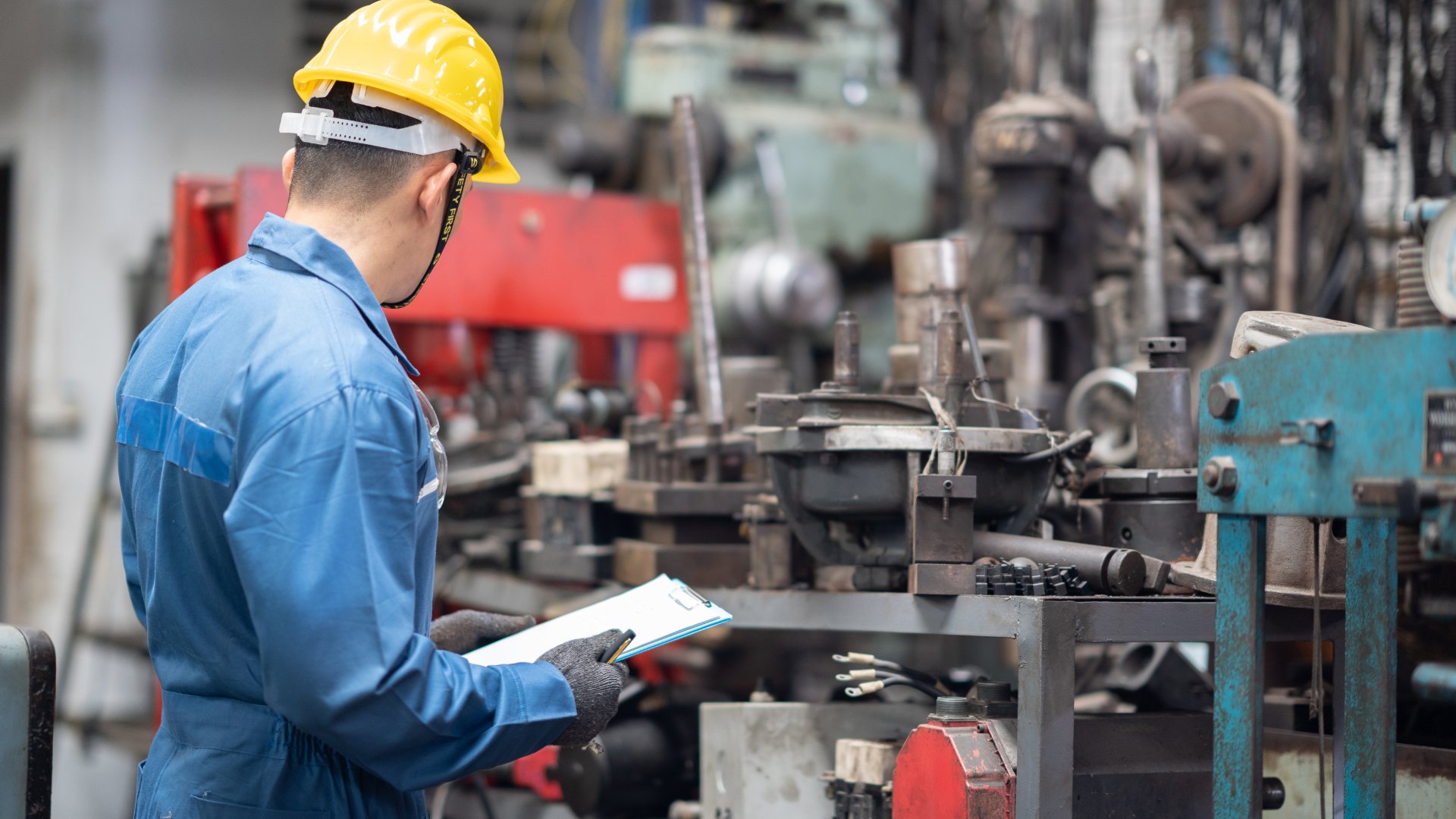
The line is running, the team is staffed, and the schedule looks realistic until small delays start collecting in places no one expected. Production bottlenecks that start with utilities turn a stable shift into a chase for missing minutes because the trouble begins before the equipment ever cycles. A pressure dip or weak power condition changes how production behaves without announcing itself as the source. For facility managers and manufacturing teams, the real opportunity is catching those hidden constraints before they quietly rewrite the day’s output.
Why Utilities Are the First Hidden Bottleneck
Utilities sit upstream of nearly every production step, yet they rarely get the first look when output drops. A machine operator sees the slowdown at the line, not inside the compressor room or boiler system. A facility manager sees system demand, but not always the exact moment a process starts to lose capacity. That gap makes utility constraints hard to trace.
The issue is not always a full failure. Small losses in pressure, voltage, temperature, or humidity are enough to slow production without creating an obvious outage. As a result, the plant keeps moving, but not at its designed rate.
Common Utility-Driven Bottlenecks
Utility constraints do not always look the same across a facility, but they usually reveal themselves through changes in speed or process stability. The most common sources are the systems that production equipment depends on every shift.
Electrical Power Instability
Power instability does not need to mean a full outage. Voltage dips or poor power quality interrupt control panels and sensors on the shop floor in seemingly random ways. When faults occur during peak demand, the electrical system should be included in the investigation.
Compressed Air Limitations
Compressed air problems show up quickly because many production assets rely on steady pressure. A pressure drop might slow a cylinder or stop a process from completing its cycle cleanly. For compressed air systems, reasons to monitor air compressor data include matching demand spikes to recurring slowdowns at production equipment.
Water Supply and Temperature Variability
Water supports cooling, rinsing, and heat transfer in many facilities. When flow or temperature shifts, the production effect might appear as process drift rather than a utility problem. Operators might adjust settings to keep the line moving, thereby masking the cause and normalizing slower cycle times.
Steam System Inefficiencies
Steam problems reduce available heat at the point of use. A trap issue or distribution loss might extend warmup time and stretch batch timing. The equipment still runs, but the process takes longer than planned.
HVAC and Environmental Controls
Environmental control affects more than comfort. Temperature and humidity changes influence how materials behave in production areas and storage spaces. If the conditions of the room drift, process consistency suffers even when the equipment itself is mechanically sound.
Why Utility Issues Go Unnoticed
Utility problems go unnoticed because they sit between departments. Production teams track the lost time at the line. Facilities teams track the systems that support the building and process infrastructure. Unless those records connect, the same event looks different to each group.
Intermittent behavior makes the problem harder. A compressor might hold pressure most of the day, then struggle during peak demand. A cooling loop might perform well at startup, then drift after hours of load. By the time anyone investigates, the condition might have returned to normal.
Early Warning Signs That Utilities Are Creating Bottlenecks
The strongest warning sign is a slowdown that appears across more than one healthy asset. A single-machine problem points to that machine. A pattern across shared equipment points upstream.
Routine operator adjustment is another sign. If workers regularly compensate for weak pressure or room conditions that drift, the facility is already working around a utility constraint. Short nuisance alarms also matter because brief interruptions add up over a shift. When those alarms line up with utility demand, the pattern becomes hard to ignore.
How To Diagnose Utility-Driven Bottlenecks
Diagnosis starts by matching production timing to utility data. A downtime event means more when compared with pressure, voltage, temperature, or flow during the same period. Without that comparison, troubleshooting depends too much on memory and observation.
Measurements should be taken near the point of use. Compressor room pressure does not always prove that the far end of the line receives enough air. Boiler output does not prove that a process receives enough usable heat. Tracing the utility path from source to equipment reveals losses that broad system checks miss.
Strategies To Prevent or Eliminate Utility Bottlenecks
Preventing utility-driven slowdowns starts with treating support systems as part of production performance. Each improvement should make the plant more stable at the point where utility supply meets equipment demand.
Improve Monitoring and Visibility
Monitoring turns utility performance into a production signal. Pressure sensors and power quality meters help teams see changes before they show up as missed output. Visibility is most valuable when utility trends are reviewed alongside downtime patterns.
Right-Size Utility Infrastructure
Utility infrastructure should match actual production demand. A system might look adequate at the source but fail at the point of use because distribution layout limits delivery. Right-sizing focuses on the condition the equipment receives during real operation.
Reduce Variability
Reducing variability protects cycle times. Stable pressure, controlled temperature, and consistent environmental conditions allow equipment to repeat the same process with fewer corrections. Less drift means fewer small interruptions that quietly lower total output.
Strengthen Preventive and Predictive Maintenance
Utility maintenance should be tied to production risk. A failing dryer or dirty heat exchanger reduces performance before it causes a shutdown. Preventive work controls known weak points, and predictive work catches performance changes earlier.
Cross-Team Alignment
Facilities and production teams solve utility bottlenecks faster when they share timing, symptoms, and system data. Production identifies when output changes. Facilities identify what the supporting systems were doing at that moment. Together, they shorten the path from slowdown to root cause.
A plant does not need a dramatic shutdown for lost capacity to start showing up in the schedule. Production bottlenecks that start with utilities quietly put pressure on the floor, one unstable condition at a time. When facilities and production teams treat those conditions as part of throughput, they protect more than equipment uptime. They protect the pace at which the entire operation was built to maintain.