


Outdoor Living Trends That Are Redefining Modern Homes
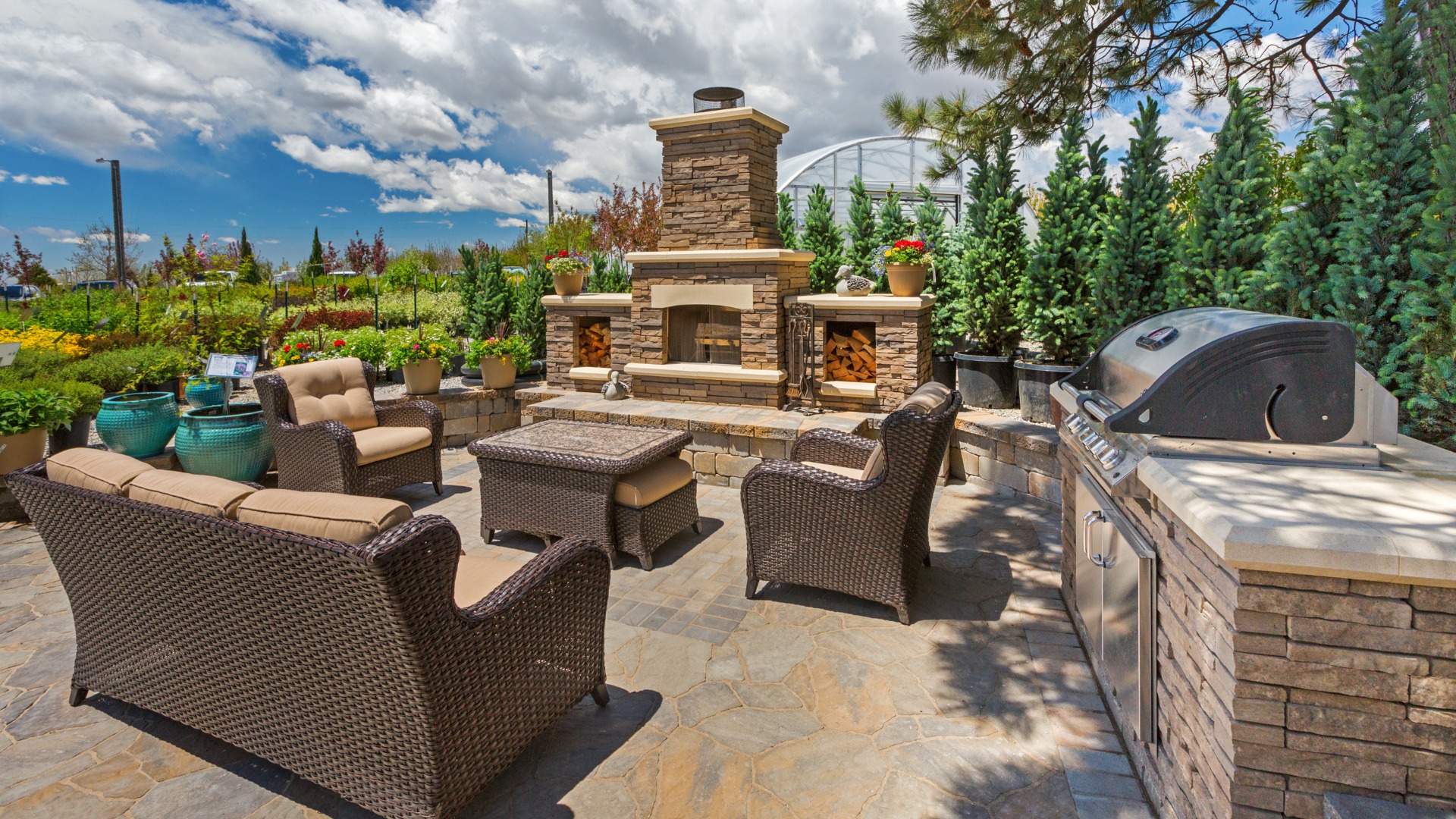
The way homeowners think about their living space has shifted dramatically in recent years. No longer confined to interiors, modern homes are expanding outward, blending comfort and function into outdoor environments that feel just as intentional as any room inside. From high-end entertaining spaces to quiet personal retreats, today’s backyards are being designed with purpose. Outdoor living trends that are redefining modern homes reflect a broader lifestyle change; one that values connection, flexibility, and experience.
The Rise of Fully Functional Outdoor Kitchens
Outdoor kitchens have evolved far beyond the traditional grill and patio table. Today’s designs often include built-in appliances, prep stations, refrigeration, and even pizza ovens. These setups are not just about cooking outside; they’re about creating a central hub for social interaction.
Homeowners are investing more time in planning these spaces to ensure they meet both functional and aesthetic goals. Layout and appliance placement all play a critical role in usability. That’s why understanding some considerations before building an outdoor kitchen can make a significant difference in how well the space performs over time. Thoughtful planning ensures that the kitchen integrates seamlessly with the rest of the outdoor environment rather than feeling like an afterthought.
Seamless Indoor-Outdoor Transitions
Another defining trend is the removal of barriers between indoor and outdoor spaces. Large sliding or folding glass doors, consistent flooring materials, and cohesive color palettes help create a fluid transition that makes the entire home feel larger.
This approach isn’t just about visual appeal; it changes how people use their homes. A living room can extend into a patio, while a dining area can flow into an outdoor kitchen or lounge space. The result is a more dynamic environment that adapts to different needs throughout the day.
Designers are increasingly focused on creating continuity, ensuring that outdoor furniture, lighting, and finishes complement the interior rather than compete with it.
Outdoor Spaces Designed for Year-Round Use
Gone are the days when outdoor living was limited to a few warm months. Modern homeowners are finding ways to extend the usability of their outdoor spaces throughout the year.
Fire pits, patio heaters, pergolas with retractable covers, and weather-resistant materials all contribute to this shift. In colder climates, enclosed or semi-enclosed structures provide shelter while still maintaining a connection to the outdoors.
This trend reflects a desire to maximize the return on investment for outdoor upgrades. Instead of being seasonal luxuries, these spaces are becoming integral parts of everyday living.
Smart Technology Moves Outside
Technology is no longer confined to the interior of the home. Outdoor spaces are now benefiting from smart systems that enhance convenience and control.
From app-controlled lighting and sound systems to automated irrigation and climate management, homeowners can fine-tune their outdoor environments with ease. Smart grills and cooking systems are also becoming more common, adding precision to outdoor cooking experiences.
The integration of technology doesn’t just improve functionality; it also elevates the overall experience. A well-lit patio with integrated sound can transform an ordinary evening into something memorable with minimal effort.
A Shift Toward Low-Maintenance Materials
As outdoor spaces become more sophisticated, homeowners are also prioritizing durability and ease of maintenance. Materials like composite decking, porcelain pavers, and weather-resistant cabinetry are gaining popularity for their ability to withstand the elements without constant upkeep.
This trend reflects a practical mindset. People want to enjoy their spaces without spending excessive time maintaining them. Choosing the right materials upfront reduces long-term costs and ensures that the space continues to look and function as intended.
Designers are also leaning into natural textures and finishes that age well, allowing outdoor spaces to develop character over time rather than deteriorate.
Creating Zones for Different Experiences
Modern outdoor spaces are rarely designed as a single, open area. Instead, they are divided into distinct zones that serve different purposes.
A backyard might include a dining area, a lounge space, a cooking station, and even a quiet corner for relaxation. This zoning approach allows multiple activities to happen simultaneously without interference.
It also makes the space feel more intentional. Each area has a clear purpose, which enhances usability and encourages more frequent use. The result is an outdoor environment that feels curated rather than improvised.
Emphasis on Personalization
One of the most notable aspects of current outdoor living trends is the focus on personalization. Homeowners are moving away from generic designs and opting for spaces that reflect their individual lifestyles and preferences.
This might mean incorporating a built-in bar for entertaining, a garden for relaxation, or a custom seating area designed for family gatherings. The goal is to create a space that feels uniquely tailored rather than mass-produced.
Personalization also extends to aesthetics. From color schemes to furniture choices, every element is selected with intention, contributing to a cohesive and meaningful design.
Lighting as a Design Feature
Lighting has taken on a more prominent role in outdoor design. It’s no longer just about visibility; it’s about creating atmosphere.
Layered lighting techniques, including ambient, task, and accent lighting, are being used to highlight architectural features and define different zones. String lights and pathway lighting all contribute to a cohesive and inviting environment.
Well-designed lighting extends the usability of outdoor spaces into the evening while also enhancing safety and comfort.
The Growing Importance of Comfort
Comfort is at the core of modern outdoor living. Homeowners are investing in high-quality furniture, weather-resistant fabrics, and thoughtful layouts that encourage relaxation.
Deep seating and shade structures all contribute to a more comfortable experience. These elements make outdoor spaces feel like natural extensions of indoor living areas rather than separate, less inviting environments.
Comfort also influences how often the space is used. The more inviting it feels, the more likely people are to spend time there, whether alone or with others.
A Lifestyle Shift That’s Here to Stay
The popularity of outdoor living is not a passing trend. It reflects a broader shift in how people prioritize their homes and lifestyles. As remote work, flexible schedules, and a greater focus on well-being continue to shape daily life, outdoor spaces are becoming essential rather than optional.
Outdoor living trends that are redefining modern homes highlight the importance of designing spaces that are both functional and meaningful. By embracing these trends, homeowners can create environments that support their needs while also enhancing the overall value of their property.