


Improving Safety Standards Across Infrastructure Projects
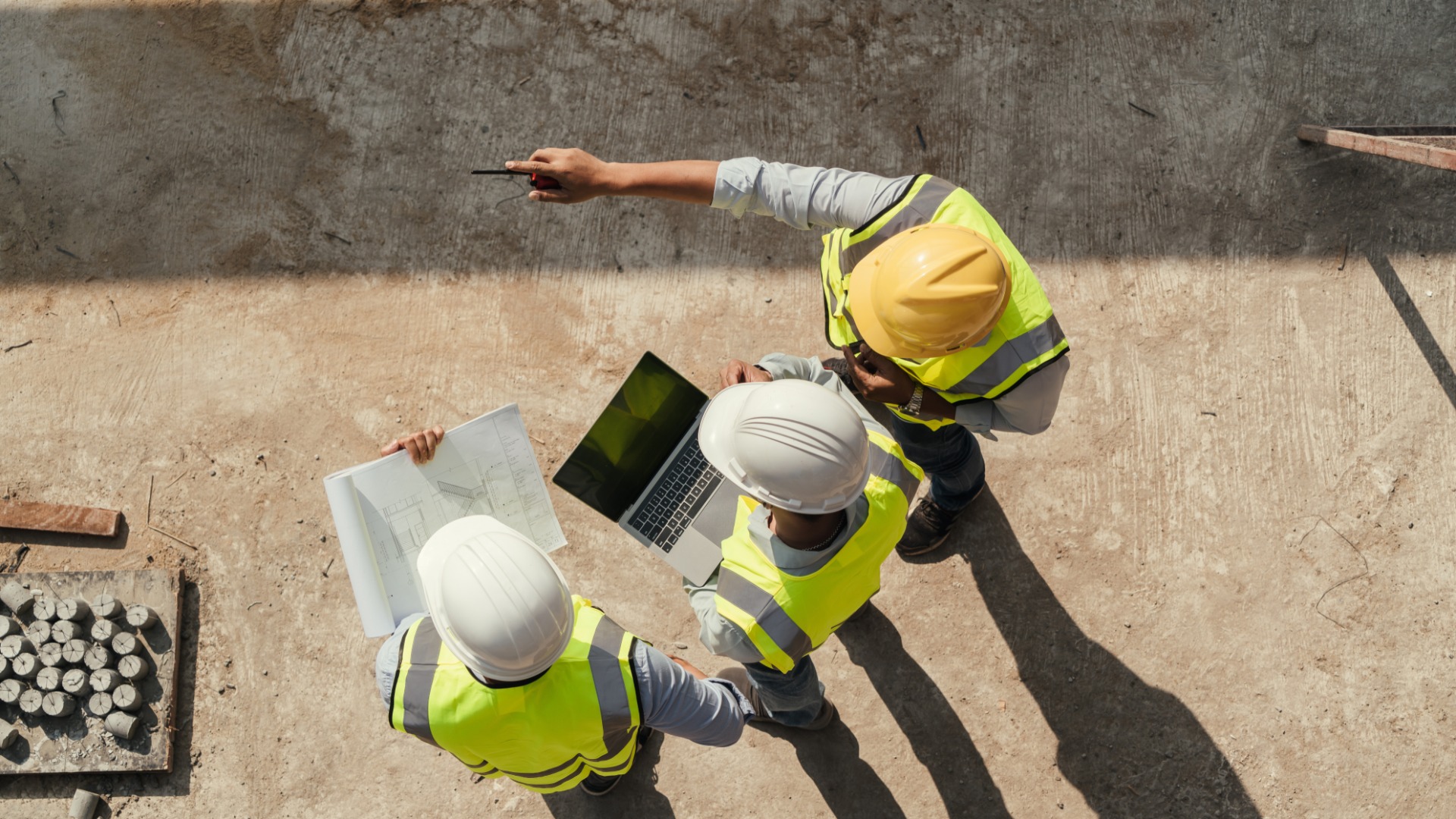
Infrastructure projects are the backbone of modern society, supporting transportation, utilities, and economic growth. Yet, with their scale and complexity comes a significant responsibility: ensuring the safety of workers, the public, and the surrounding environment. Improving safety standards across infrastructure projects is not just a regulatory requirement; it’s a critical factor in delivering successful, efficient, and sustainable outcomes.
The Foundation of Safer Infrastructure Projects
Every safe project begins with thorough planning. Before a single piece of equipment is deployed, project managers must evaluate potential hazards, environmental conditions, and logistical challenges. Risk assessments help identify vulnerabilities, allowing teams to develop mitigation strategies early on.
This planning phase should also include clear safety protocols and communication channels. When everyone understands their responsibilities and how to respond in emergencies, the likelihood of accidents decreases significantly.
In addition, compliance with local, state, and federal safety regulations forms the baseline for operations. However, leading organizations go beyond compliance by adopting best practices and continuously refining their safety measures.
Building a Culture of Safety
A strong safety culture encourages workers at every level to prioritize caution, speak up about hazards, and take ownership of their environment.
Leadership plays a key role in shaping this culture. When supervisors and project managers consistently model safe behavior and reinforce expectations, it sets the tone for the entire team. Regular safety meetings, toolbox talks, and open discussions about near-misses can help reinforce awareness and accountability.
Empowering workers is equally important. When employees feel comfortable reporting unsafe conditions without fear of repercussions, organizations gain valuable insights that can prevent future incidents.
The Role of Training and Education
Training is one of the most effective ways to improve safety outcomes. Comprehensive onboarding programs ensure that new workers understand site-specific risks and emergency procedures.
Ongoing education is just as critical. As projects evolve, new challenges and hazards may emerge. Regular refresher courses and specialized training sessions keep teams prepared and informed.
For example, workers involved in road construction must be well-versed in traffic control measures, equipment safety, and public interaction protocols. Understanding these elements can significantly reduce accidents and improve overall site efficiency.
Leveraging Technology for Safer Worksites
Modern technology is transforming how infrastructure projects approach safety. Tools such as drones, wearable devices, and real-time monitoring systems provide valuable data that helps teams identify risks and respond quickly.
Drones can be used to survey large or hazardous areas without putting workers in danger. Wearable technology can monitor vital signs, detect fatigue, and alert supervisors to potential health risks. Meanwhile, digital platforms enable real-time communication and incident reporting, ensuring that issues are addressed promptly.
Effective Communication and Coordination
Infrastructure projects often involve multiple contractors, subcontractors, and stakeholders. Without clear communication, even well-designed safety plans can fall short.
Establishing standardized communication protocols ensures that everyone stays informed about changes and expectations. Daily briefings, centralized reporting systems, and clear signage all contribute to a more organized and safer work environment.
Coordination is especially important in high-traffic areas, where construction activities intersect with public movement. Proper planning and communication help minimize disruptions while maintaining safety for both workers and the community.
Managing High-Risk Environments
Certain infrastructure projects present unique challenges, particularly those involving roadways and active traffic zones. These environments require heightened awareness and specialized safety measures.
Traffic control plans, including signage, barriers, and flaggers, are essential for maintaining order and preventing accidents. Proper lighting and clear lane markings further enhance visibility and safety.
Maintaining clean and organized work zones is another critical factor. Debris, dust, and uneven surfaces can create hazards for both workers and drivers. Implementing consistent maintenance practices helps reduce these risks and ensures smoother operations.
For teams working in these conditions, understanding how to safely managing your road construction site can help you maintain a secure and efficient environment.
Reducing Risk Through Preventative Measures
Preventative strategies are at the heart of effective safety management. Rather than reacting to incidents, organizations should focus on identifying and addressing risks before they escalate.
Routine inspections play a key role in this process. Regularly evaluating equipment, materials, and site conditions helps ensure that everything meets safety standards. Addressing minor issues early can prevent more serious problems down the line.
Maintenance is equally important. Well-maintained equipment operates more reliably and reduces the likelihood of malfunctions that could lead to accidents. Establishing a consistent maintenance schedule is a simple yet powerful way to enhance safety.
Environmental Considerations and Safety
Environmental factors can significantly impact safety on infrastructure projects. Weather conditions, terrain, and seasonal changes all introduce unique challenges that must be addressed.
Rain and snow can create slippery surfaces, while extreme heat can lead to dehydration and fatigue. Understanding these risks and implementing appropriate measures helps protect workers and maintain productivity.
Sustainability initiatives also intersect with safety. Using environmentally friendly materials and practices can reduce exposure to harmful substances and create healthier work environments.
Continuous Improvement and Innovation
Organizations must continuously evaluate their practices, learn from past experiences, and adapt to new challenges.
Post-project reviews and incident analyses provide valuable insights into what worked and what didn’t. By identifying areas for improvement, teams can refine their strategies and enhance future performance.
Innovation plays a crucial role in this evolution. As new technologies and methodologies emerge, they offer opportunities to further improve safety standards and outcomes.
The Future of Infrastructure Safety
As infrastructure projects become more complex, the importance of safety will only continue to grow. Emerging technologies, evolving regulations, and increasing public expectations are shaping the future of the industry.
Organizations that prioritize safety will be better positioned to navigate these changes and deliver successful projects. By embracing innovation, fostering a culture of accountability, and committing to continuous improvement, they can set new benchmarks for excellence.
Improving safety standards across infrastructure projects is about more than avoiding accidents—it’s about creating environments where people can work confidently, communities remain protected, and projects are completed efficiently.
Never Neglect Safety
Infrastructure projects are essential to modern life, but they come with inherent risks that must be carefully managed. Through proactive planning, effective communication, advanced technology, and a strong safety culture, organizations can significantly reduce these risks.