


How To Protect Furniture During a Home Reset
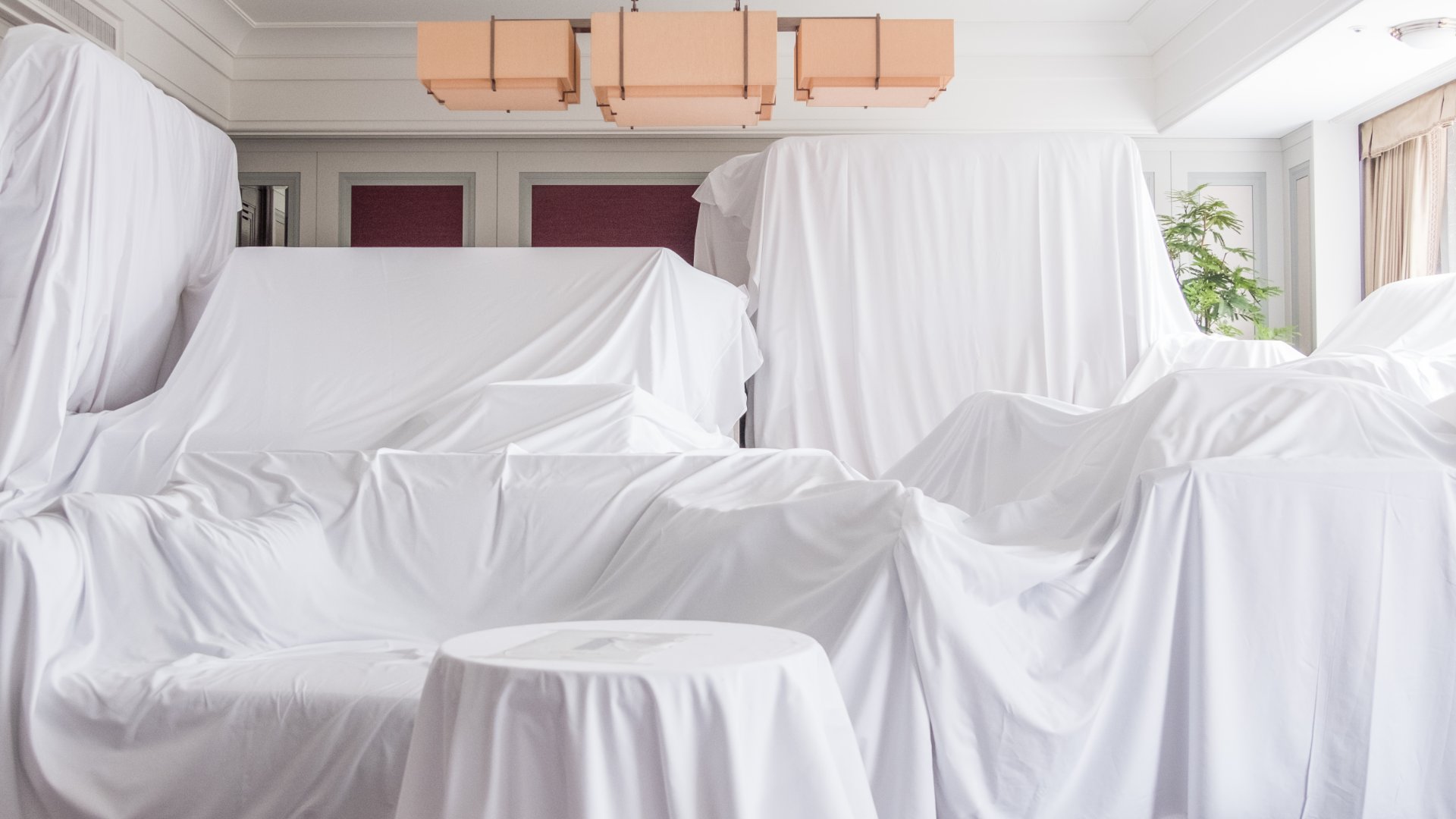
Reworking a space can feel really good. Maybe you're turning the guest room into an office. Maybe the playroom needs to grow up a little. Or maybe you’re just tired of the current layout and ready for something that feels lighter.
In the middle of all that shifting and sorting, protecting your furniture often gets overlooked. Big pieces get pushed into the garage “for now” or stacked in a spare room without much thought, and that’s usually when scratches, moisture damage, or fading sneak in.
If you’re working toward a space that feels calmer and more intentional, protecting what you already own is part of that process. It supports your goal to create a peaceful home, not just a temporarily tidy one.
Here’s how to handle it without overcomplicating things.
Start With a Thorough Cleaning
Before anything gets moved, give it a quick refresh.
It’s tempting to skip this step when you’re in project mode, but dust and surface grime can cause long-term wear if furniture sits untouched for weeks or months.
Wipe down wood surfaces with a gentle cleaner and let them dry completely. For upholstered pieces, vacuum thoroughly and spot-clean any visible stains. Make sure the fabric is fully dry before covering or relocating it.
Storing something dirty doesn’t save time; it just creates problems later.
Use Breathable Covers Instead of Plastic
Plastic feels protective, but it actually traps moisture. And trapped moisture is what leads to mildew, warping, and musty smells.
Some alternatives to using plastic include:
- Moving blankets
- Cotton sheets
- Proper furniture covers
If pieces will be out of rotation for a while, it’s worth learning how to protect your furniture in long-term storage so wood finishes and upholstery don’t slowly deteriorate while you transition your space.
Keep Furniture Elevated And Dry
Concrete floors hold moisture even when they look completely dry. That’s why basements and garages can be tricky storage spots.
If you’re storing furniture in one of these areas:
- Elevate it slightly with wood blocks or pallets.
- Avoid pushing items tightly against walls.
- Keep pieces out of direct sunlight.
These simple adjustments help prevent warping, fading, and hidden moisture damage, especially during seasonal temperature swings.
Stay Organized During the Transition
Protecting furniture during a home reset isn’t just about materials. It’s also about staying organized, so reassembling your space doesn’t become frustrating later.
If you take anything apart:
- Place screws and hardware in labeled bags.
- Tape the bag securely to the item.
- Keep similar pieces grouped together.
This is where a thoughtful, whole-home organization approach really makes a difference. You’re not just moving things; you’re managing them intentionally.
Remember Why You’re Resetting in the First Place
A home reset should feel empowering, not chaotic. When you slow down enough to think about every step of the process, you’re reducing stress down the road.
Organizing isn’t only about decluttering. It’s about caring for what stays so your refreshed space feels calm, functional, and ready to support your family in this next season.