


How PPE Requirements Vary Across Different Industries
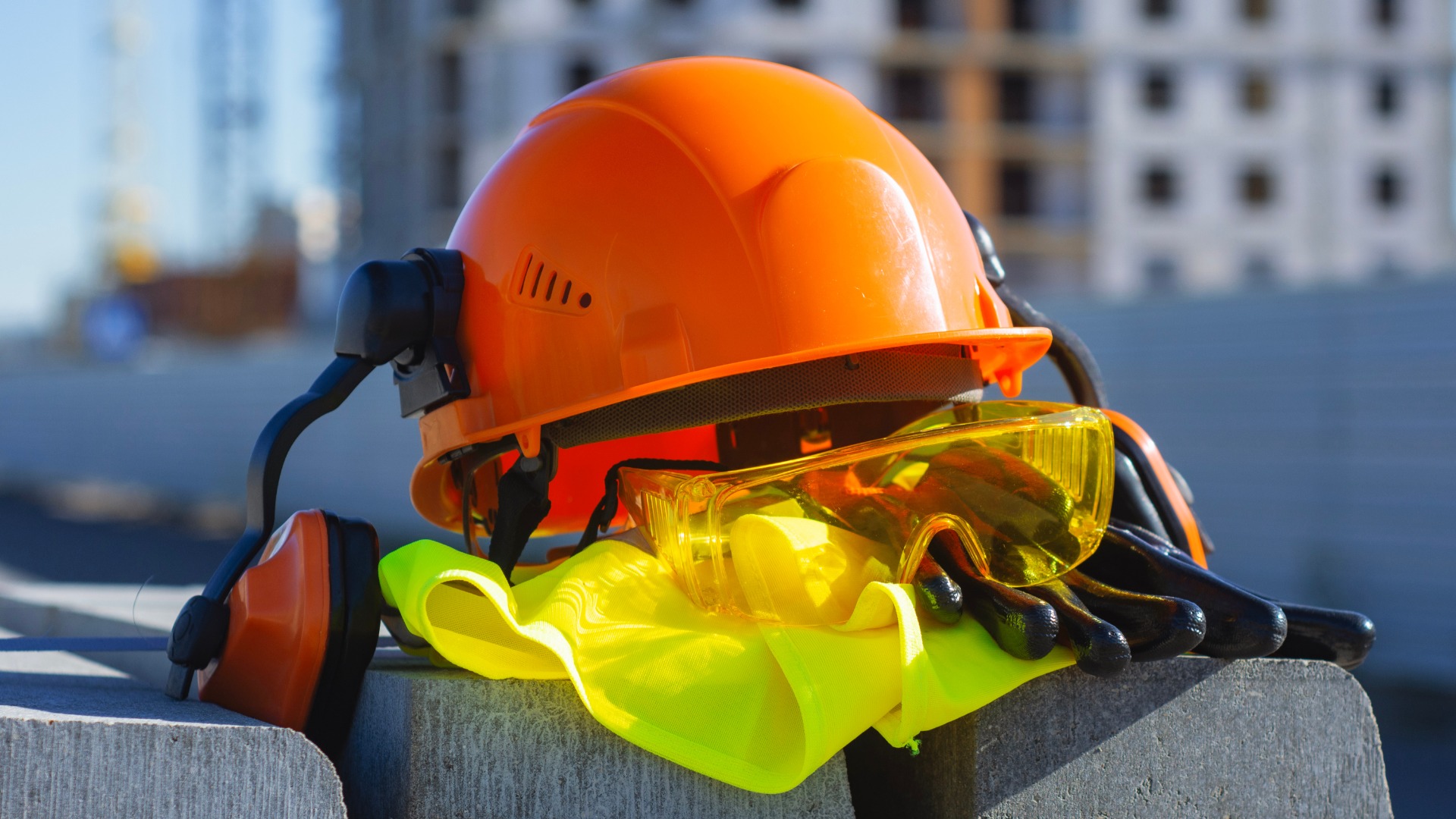
Personal protective equipment (PPE) is a crucial component of workplace safety. From the bright safety vests worn by workers near busy roads to the gloves and masks used by professionals in medical settings, PPE plays a vital role in reducing risk.
What people may not realize, however, is just how much the equipment needs change depending on the job. Understanding how personal protective equipment requirements vary across different industries reveals why safety isn’t a one-size-fits-all approach.
Why PPE Looks Different Everywhere
Every workplace comes with unique hazards. According to the Occupational Safety and Health Administration (OSHA), these hazards lead to safety risks that include physical injury, chemical exposure, airborne particle exposure, or even infectious disease exposure. Because of this wide range, PPE must be carefully matched to the work environment.
Rather than relying on a universal standard, employers need to assess specific work-related risks and select gear that addresses those concerns directly. This tailored approach ensures that workers are protected without being burdened by unnecessary or ineffective equipment. It also allows businesses to adapt their safety programs as conditions change, whether that involves introducing new machinery, handling different materials, or responding to updated safety regulations.
Construction and Road Work: Staying Seen and Protected
For construction and road work, safety gear is designed to handle both impact and visibility challenges. Workers often operate around heavy machinery, moving vehicles, and unpredictable terrain, making protective equipment essential for everyday tasks.
Hard hats, steel-toed boots, gloves, and eye protection are standard, but visibility is just as important. High-visibility clothing, like shirts and safety vests, makes sure workers can be seen in low-light conditions and busy work zones. In fact, many different industries use safety vests for varying purposes, from visibility for roadside crews to awareness for warehouse teams. As infrastructure projects become more complex, the need for clearly visible workers continues to grow, especially in areas where traffic and construction overlap.
Healthcare: Protection for What You Can’t Always See
Unlike construction sites, healthcare environments often deal with invisible risks. Exposure to bacteria, viruses, and bodily fluids makes contamination control the top priority.
Healthcare workers rely on gloves, gowns, masks, and face shields to create a barrier between themselves and potential hazards. In many cases, this equipment is disposable and must be changed frequently to maintain strict hygiene standards. The emphasis is not just on protection, but also on preventing the spread of illness between patients and staff. Proper gear training plays a major role here, as incorrect removal or disposal of PPE can increase the risk of contamination rather than reduce it.
Agriculture and Outdoor Work: Practical and Durable Gear
Agriculture and other outdoor industries require PPE that can withstand long working hours and changing conditions. Workers in these environments often face a mix of mechanical risks, chemical exposure, and weather-related challenges.
Durable gloves, protective eyewear, and respirators are commonly used when handling equipment or applying pesticides. At the same time, sun protection and weather-resistant clothing are equally important. PPE in this setting needs to strike a balance between safety and practicality, allowing workers to move freely while staying protected. Seasonal changes can also influence PPE choices, requiring workers to adjust their gear throughout the year to maintain comfort and protection.
Manufacturing and Industrial Settings: Precision Matters
In manufacturing environments, the risks often come from machinery, repetitive motion, and exposure to noise or airborne particles. PPE for these fields is designed to provide protection without interfering with precision work.
Hearing protection is frequently required in loud environments, while gloves and face shields guard workers against cuts, sparks, and debris. Respirators may also be necessary in areas where dust or fumes are present. The key challenge is making sure that the safety equipment enhances a worker’s ability to perform detailed tasks, rather than hinder their progress. As the presence of automation increases, PPE continues to evolve alongside that technology to address new types of workplace hazards.
Laboratories and Scientific Fields: Specialized Protection
Laboratories present a different kind of risk profile, often involving chemicals, biological agents, and sensitive materials. PPE in these environments is highly specialized and must be carefully selected based on the substances being handled.
Lab coats, safety goggles, and chemical-resistant gloves are standard, but even small differences in materials can have a significant impact on worker safety. The wrong type of glove, for example, may not provide adequate protection against certain chemicals, highlighting the importance of precise PPE selection. In many labs, PPE is just one part of a broader safety system that includes ventilation, controlled environments, and strict handling procedures.
Emergency Services: Gear for Extreme Conditions
Emergency responders, including firefighters and rescue teams, rely on some of the most advanced PPE available. Their gear must perform under extreme heat, limited visibility, and rapidly changing conditions.
Flame-resistant clothing, helmets, breathing apparatus, and heat-resistant boots are all designed to provide maximum protection. In these situations, PPE is not just about reducing risk; it is essential for survival. Equipment for emergency services is often rigorously tested to meet high performance standards, ensuring it can withstand the most demanding scenarios.
The Role of Standards and Training
Across all industries, safety standards make sure that PPE is used effectively. Organizations like OSHA establish baseline requirements, while individual industries may implement additional guidelines tailored to their specific risks.
Employers are responsible for identifying hazards, providing appropriate equipment, and training workers on proper use. At the same time, workers must consistently wear and maintain their gear, as even the best equipment cannot provide protection if it is used incorrectly. Regular inspections, updates, and refresher training ensure that PPE continues to meet safety needs over time.
Matching the Gear to the Job
The wide variety of PPE available across industries reflects a simple truth: every job comes with its own challenges. From high-visibility clothing in construction to protective masks in healthcare, each piece of equipment serves a specific purpose.
Recognizing how personal protective equipment requirements vary across different industries highlights the importance of choosing the right gear for the specific situation. When properly selected and worn, PPE becomes one of the most effective tools for keeping workers safe, no matter the environment.