


How to Plan a Successful DIY Hunting Trip on a Budget
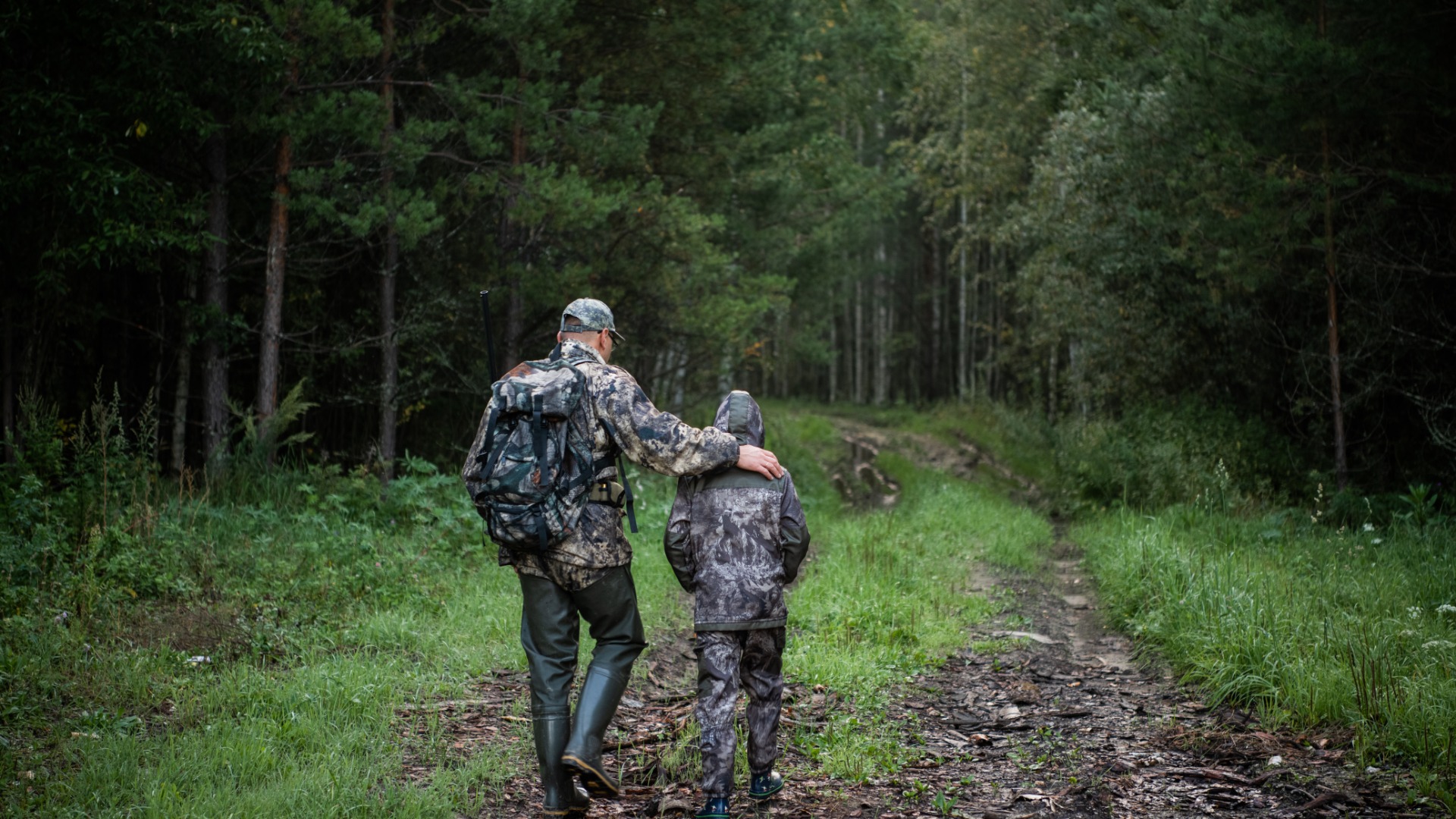
Planning a hunting trip doesn’t have to drain your wallet or require a fully guided experience. With the right approach and mindset, how to plan a successful DIY hunting trip on a budget becomes less about cutting corners and more about making smarter choices. Whether you’re new to hunting or simply looking to reduce costs, a do-it-yourself trip can be just as rewarding than a high-priced excursion.
Start with a Clear Plan
Every successful hunting trip begins with a solid plan. Define your goals early: what species are you targeting, what type of terrain are you comfortable navigating, and how long can you realistically spend on the trip? Answering these questions will shape your budget and prevent unnecessary spending.
Timing is another critical factor. Hunting during peak seasons often means higher travel costs and increased competition. If your schedule allows, consider shoulder seasons or less crowded dates. Not only can this save money, but it can also improve your chances of success in the field.
Choose Affordable Hunting Locations
Location is one of the biggest factors influencing your overall cost. Private land leases and guided hunts can be expensive, but public lands offer a cost-effective alternative with plenty of opportunities.
When researching destinations, look for areas with accessible terrain, manageable regulations, and a healthy game population. Many hunters find success by focusing on well-managed public lands that provide both accessibility and variety. For example, exploring options like public lands in Florida for hunting trips can open the door to diverse environments without the high price tag of private access.
The key is to balance affordability with practicality. A cheaper location isn’t always better if it requires expensive travel or specialized gear. Keep your total costs in mind when making your decision.
Budget for Travel and Lodging
Transportation and lodging can quickly eat into your budget if you’re not careful. Driving instead of flying is often the most cost-effective option, especially if you’re traveling with a group and can split fuel costs.
When it comes to accommodations, consider alternatives to hotels. Camping is a popular and budget-friendly choice that also keeps you close to your hunting area. If camping isn’t ideal, look into budget motels, short-term rentals, or even staying with friends or family nearby.
Planning ahead is crucial here. Booking early or traveling during off-peak times can help you secure better rates and avoid last-minute price surges.
Invest Wisely in Gear
You don’t need top-of-the-line equipment to have a successful hunting trip. Focus on essential gear that meets your needs without overspending. Prioritize items like a reliable weapon, proper clothing for the environment, and basic navigation tools.
Before buying anything new, take inventory of what you already own. Borrowing gear from friends or renting equipment can also significantly reduce costs. If you do need to make purchases, look for sales or durable items that will last for multiple seasons.
It’s easy to get caught up in the latest gear trends, but remember that skill and preparation often matter more than expensive equipment.
Plan Your Meals Strategically
Food is another area where costs can add up quickly if not planned properly. Instead of relying on restaurants or convenience stores, prepare your meals in advance. Bringing non-perishable items, pre-cooked meals, or simple ingredients for camp cooking can save both money and time.
A cooler with essentials like water and easy-to-cook proteins can go a long way. Not only does this approach reduce expenses, but it also ensures you have reliable nutrition during long days in the field.
Master the Art of Scouting
One of the most valuable ways to improve your success while staying on budget is effective scouting. The more prepared you are before the trip, the less likely you are to waste time and resources.
Use online maps, satellite imagery, and hunting apps to study your chosen area. Look for signs of game activity, water sources, and potential access points. If possible, arrive a day early to scout in person.
Scouting helps you make the most of your time and increases your chances of a successful hunt, all without adding significant costs.
Understand Regulations and Licensing
Every hunting location comes with its own set of rules, permits, and licensing requirements. Failing to understand these can lead to fines or wasted time, both of which can derail your budget.
Research the specific regulations for your chosen area, including season dates, bag limits, and required permits. While licenses do add to your expenses, they are a necessary part of ethical and legal hunting.
Planning ahead ensures you avoid unexpected costs and stay focused on your trip.
Travel with a Group
If possible, consider hunting with a small group. Sharing expenses like fuel, lodging, and even certain gear can significantly reduce individual costs. Beyond the financial benefits, hunting with others also enhances safety and provides a more enjoyable experience.
Just be mindful of group size. Too many people can make coordination difficult and potentially reduce hunting opportunities. A small, well-organized group is often the ideal balance.
Stay Flexible and Adaptable
Even the best-laid plans can change once you’re in the field. Weather conditions, animal movement, and unexpected challenges are all part of the experience. Staying flexible allows you to adapt without overspending.
If your initial hunting spot isn’t producing results, having backup locations in mind can save both time and resources. Flexibility also helps you make the most of your trip, regardless of circumstances.
Focus on Experience Over Extras
One of the biggest advantages of a DIY hunting trip is the opportunity to focus on the experience itself. Instead of spending money on guided services or luxury accommodations, you can invest your time and energy into the hunt.
This mindset not only keeps costs down but also makes the trip more rewarding. From navigating new terrain to learning through trial and error, every aspect of the journey contributes to your growth as a hunter.
Plan Your Trip
At its core, how to plan a successful DIY hunting trip on a budget is about being intentional with your decisions. By choosing affordable locations, managing your expenses, and preparing thoroughly, you can create a memorable hunting experience without overspending.
A well-planned DIY trip proves that you don’t need a large budget to enjoy the outdoors and pursue your passion. With the right strategy, you can make every dollar count while still achieving a successful and fulfilling hunt.