


How Manufacturers Can Enhance Operational Consistency
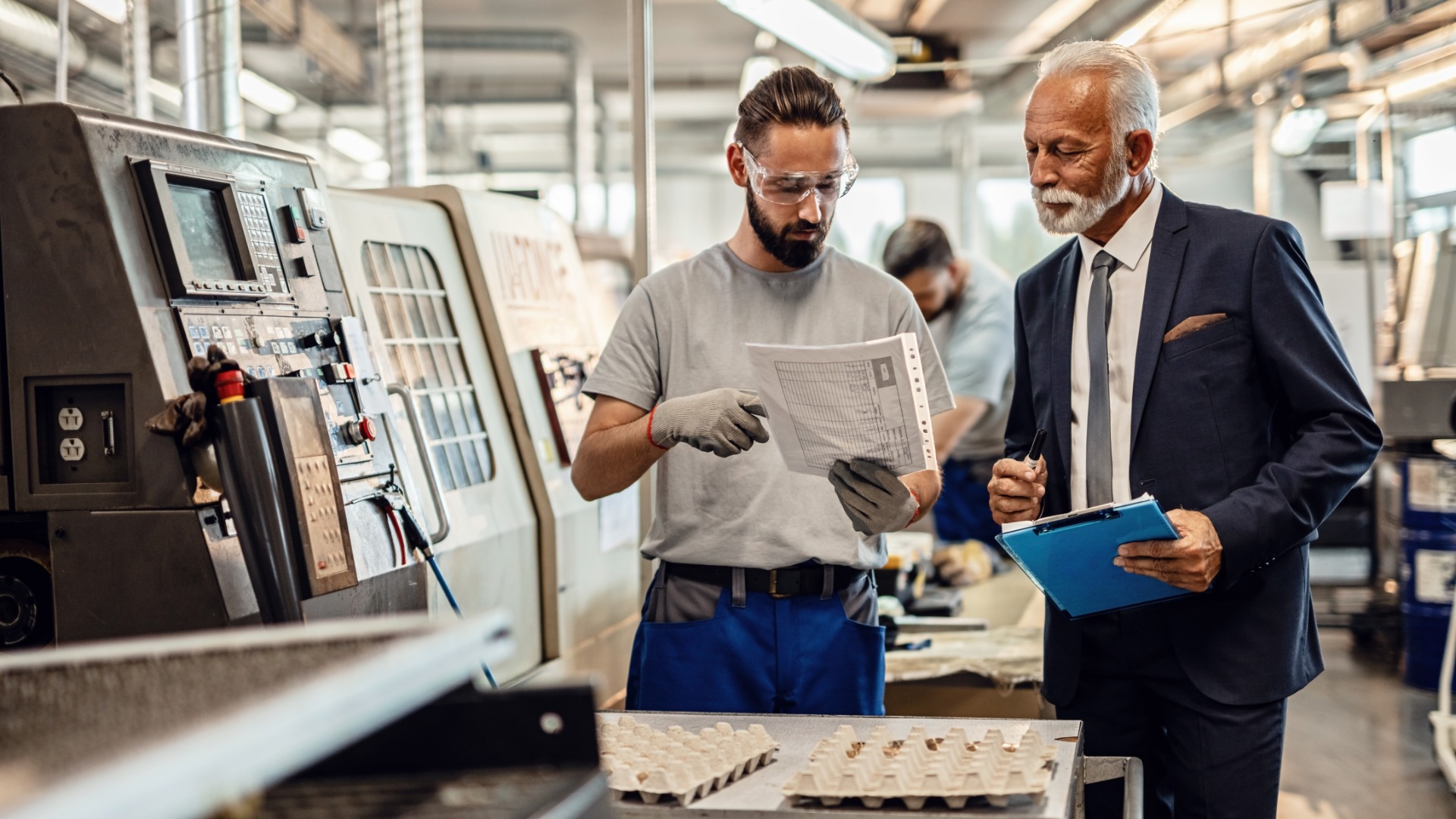
Manufacturers face constant pressure to maintain product quality while meeting deadlines, managing costs, and adapting to changing customer demands. However, small disruptions within a facility can lead to larger production problems that affect shipping schedules and customer relationships.
Companies that focus on stable systems and long-term planning are better positioned to compete in demanding industrial markets. Read on to learn how manufacturers can enhance operational consistency and perform at a high level with fewer disruptions.
Build Stronger Training Programs
Manufacturers create better outcomes when they train employees with structured onboarding that explains expectations, production goals, and safety practices in practical language. New team members gain confidence more quickly when supervisors walk through real production scenarios rather than relying solely on manuals. Companies that invest in hands-on instruction reduce confusion on the floor and improve operational consistency across multiple shifts.
Refresher training also strengthens performance because experienced employees face changing equipment and revised customer requirements throughout the year. Managers who schedule monthly coaching sessions encourage stronger communication between departments and reinforce accountability across the organization. This steady approach helps teams maintain dependable production quality without creating unnecessary delays.
Keep Equipment in Working Condition
Another way manufacturers can enhance operational consistency is by keeping their machines reliable. Plants can lose valuable time when neglected machines break down during critical production periods, forcing teams into rushed repair schedules. Preventive maintenance programs help technicians identify worn components before those parts interrupt production targets.
Plant managers can also improve their efficiency by tracking maintenance data through digital systems that organize repair histories and inspection schedules. Teams can monitor recurring issues and make informed decisions about upgrades before failures spread through an entire production line. Reliable machinery creates stable production conditions that support better product quality and stronger customer trust.
Improve Communication Between Departments
Production teams perform better when purchasing departments, warehouse staff, engineers, and supervisors share updates through consistent communication channels. Delayed information can create scheduling problems that ripple through manufacturing facilities and increase employee frustration. Daily production meetings help departments coordinate workloads while reducing misunderstandings that affect deadlines.
Manufacturers also benefit from digital dashboards that display information such as inventory levels and production targets in real time. Employees also make stronger decisions when they can access the same information, rather than relying on disconnected spreadsheets or handwritten notes. Better communication strengthens operational consistency because every department works toward the same measurable objectives.
Standardize Production Processes Across Facilities
Manufacturers with multiple facilities face greater challenges because different teams may follow different production methods for identical products. However, by implementing standard operating procedures, companies can create a shared framework that guides employees through various tasks. Consistent procedures also help companies maintain dependable results even when production demand shifts between locations.
For example, if you are a medical device manufacturer, it is a good idea to ensure that all your surface finish operations use the same methods for choosing electroplating masking products. Otherwise, the separate teams may make expensive errors that add up over time. This type of process control supports stronger quality assurance without adding unnecessary complexity to production schedules.
Use Automation To Reduce Repetitive Errors
Another strategy that will help you limit errors at your company is to invest in automation. This technology helps manufacturers reduce repetitive manual tasks that create fatigue and increase the risk of mistakes during long production runs.
Robotic systems can perform packaging, assembly, and inspection tasks consistently throughout the workday. Employees can then focus on troubleshooting and process improvement instead of repeating low-value tasks for hours at a time.
Companies also gain stronger production insight when automated systems collect data during each stage of manufacturing. Supervisors can review performance trends and adjust workflows before problems affect customer deliveries. Thoughtful automation strengthens productivity while supporting safer working conditions for employees across the facility.
Strengthen Supplier Relationships and Inventory Planning
Manufacturers depend on stable supplier relationships because material shortages create production interruptions that damage scheduling reliability. Purchasing managers who communicate regularly with suppliers gain better visibility into lead times, transportation issues, and pricing changes. Strong partnerships encourage faster problem-solving when market conditions shift unexpectedly.
Inventory planning also plays a major role in production stability, as excess inventory increases storage costs and shortages disrupt manufacturing schedules. Companies that analyze purchasing patterns can maintain balanced stock levels that support steady output throughout the year. Smarter inventory management protects production timelines and reduces pressure on warehouse teams during busy seasons.
Focus on Quality Control Throughout Production
Quality control yields better results when manufacturers inspect products throughout production instead of waiting until the final stage. Early inspections can help teams identify defects before those issues spread through large batches of material. Manufacturers save time and resources by correcting small production problems before shipping deadlines approach.
Data collection strengthens quality programs by enabling managers to measure recurring issues and identify patterns related to equipment, staffing, or raw materials. Production teams can then revise procedures based on measurable information rather than assumptions or temporary fixes. A disciplined quality strategy improves customer satisfaction while supporting long-term business growth.
Create a Workplace Culture That Supports Stability
Manufacturers strengthen long-term performance when leaders create workplaces built on respect, accountability, and teamwork. Employees contribute stronger ideas when managers encourage feedback from production workers who interact with machinery and materials every day. A supportive culture also improves retention rates because workers value environments that recognize their experience and contributions.
Recognition programs also motivate employees to maintain high standards while reinforcing the importance of reliable production habits across every department. Managers who celebrate problem-solving and teamwork can create stronger engagement throughout the organization. Consistent leadership and employee involvement help manufacturers build dependable operations that remain competitive in changing markets.
Make a Long-Term Commitment to Consistency
Manufacturers strengthen their long-term success by treating operational consistency as an ongoing commitment rather than a temporary initiative. Reliable equipment, organized communication, employee training, and structured production methods all contribute to smoother daily operations and stronger customer confidence. Companies that maintain stable systems are better positioned to handle growth and changing production demands.
Modern manufacturing requires more than just fast production, as customers expect consistent quality and timely delivery with every order. Businesses that invest in preventive planning and collaborative workplace cultures create stronger foundations for future success. Consistent operations help manufacturers reduce unnecessary setbacks while building trust with employees and customers alike.