


How Heavy Equipment Performance Impacts Jobsite Efficiency
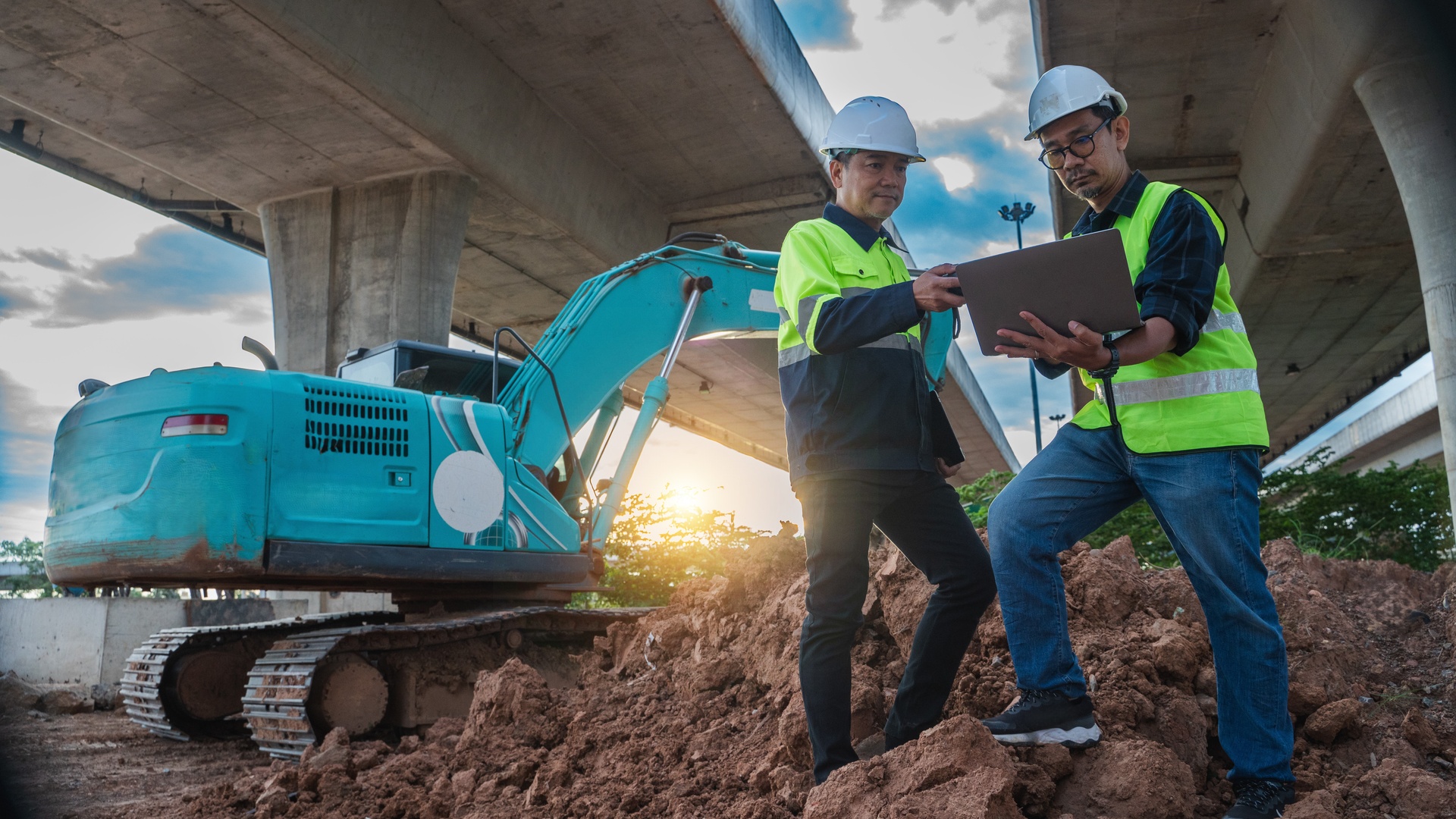
On a busy jobsite, equipment performance shapes more than one task at a time. It affects pace and crew movement, and it changes the pressure that builds through the day. When a machine runs well, the work feels more controlled, allowing the rest of the site to stay in rhythm.
That’s why equipment performance deserves more attention than it sometimes gets. For companies that rely on heavy equipment every day, it’s worth looking closely at how its performance affects jobsite efficiency. That way, you can prepare your teams for anything.
Reliable Equipment Protects the Workday
A strong workday depends on momentum. Crews need machines that start when expected and keep performing once the job is underway. If a machine runs inconsistently, the slowdown spreads beyond the operator in the cab.
Even a minor issue can change the shape of the day. A loader that feels weak under normal demand may force the crew to work around it, which usually takes longer than expected. Those slowdowns may look small in the moment, but they can quietly drag production off pace.
Labor Efficiency Depends on Machine Performance
Heavy equipment sets the pace for much of a jobsite’s activity. If the machine holding that pace falls behind, labor often starts waiting for the site to catch up. That lost time does not always show up right away, but it still affects productivity.
A capable machine helps crews stay aligned with the task in front of them. Workers can keep moving instead of standing by while equipment struggles through routine work. Over the course of a full job, that difference can have a real effect on output.
This is one reason machine performance matters at the management level. Repair costs are only part of the story. The higher cost may stem from labor value that gets wasted when the equipment cannot sustain a steady flow of work.
Better Performance Supports Better Results
Jobsite efficiency is not just about moving faster. A site can stay busy all day and still lose ground if the work has to be corrected later. Equipment that responds well gives operators a better chance to produce clean results the first time.
That matters in grading or finishing work where control affects the final outcome. A machine with a strong response allows the operator to work with greater precision. That reduces avoidable rework and helps the next phase get off to a stronger start. Performance also shapes consistency. When a machine behaves in a predictable way, skilled operators can hold a steadier standard throughout the day.
Downtime Reaches Farther Than One Machine
Most jobsites understand the cost of downtime, but the impact is often broader than a repair bill. When a key machine drops out, the work around it has to shift. That can leave part of the crew waiting while the rest of the site scrambles to adapt.
The disruption often spreads faster than people expect. One machine issue can delay trucking or force supervisors to rebuild the plan in the middle of the day. Even after the machine returns, the site may take time to settle back into a productive rhythm.
Fuel Burn Also Affects Efficiency
Equipment performance shapes efficiency through operating cost as well. A machine that burns more fuel than it should may still finish the task, but it does so with less discipline. That matters most in jobs where margins depend on daily control.
Good performance helps companies get more usable work from each hour of operation. The machine is doing its share without forcing the business to absorb unnecessary costs at the same time.
Operators often notice this early. They can tell when a machine feels strained during work that should be routine. When companies listen to that feedback, they have a better chance of catching problems before they grow into bigger efficiency issues.
Coordination Gets Easier When Machines Perform Well
It goes without saying, but a well-performing machine makes the whole site easier to coordinate. Other crews can plan around it because they trust the output and the timing. That predictability helps keep work zones connected instead of fragmented.
This becomes especially important when one piece of equipment controls what happens next. If an excavator falls behind, other tasks may stall even if those crews are ready to work. Knowing the key components that keep an excavator running will help with this, but regardless of what you’re working with, when equipment performs as expected, those handoffs move more smoothly, and the site feels less reactive.
Operator Confidence Changes the Pace
Machine performance influences the operator as much as the schedule. When the equipment feels dependable, the operator can focus on the work rather than compensate for the machine. That usually leads to better decisions and steadier production.
A piece of heavy equipment that responds the same way from one pass to the next allows experienced operators to work with more confidence. They can stay focused on grade or cycle timing without second-guessing the machine.
Confidence also supports safer operation. When the machine behaves predictably, the operator can give more attention to the people around the task. That kind of heavy equipment performance control directly supports jobsite efficiency.
Small Problems Can Create Large Delays
One of the harder parts of equipment-related inefficiency is that it rarely begins with a dramatic failure. A machine may still run every day while showing signs that something is off. It might feel sluggish or require too much correction during ordinary work.
Those early signs matter because they often appear long before a full breakdown. If a company addresses them quickly, it may prevent a larger disruption later in the job. That kind of attention helps protect both schedule stability and production quality.
This is where disciplined maintenance matters most. The goal is not just to avoid shutdowns. The goal is to keep machines performing at a level that supports strong work every day they are on site.
Good Equipment Performance Supports the Whole Job
When a project begins to lose efficiency, labor is often the first to take the blame. This is why it’s important to recognize that the larger problem could be a machine that is no longer doing its share of the work. If equipment performance slips, adding more people usually will not solve the issue.
That’s why strong machine performance remains one of the clearest advantages a jobsite can have. It helps labor stay productive and gives the schedule a better chance to stay intact. For companies that rely on heavy equipment to keep jobs moving, performance is not a side issue. It is part of what makes an efficient site possible.