


How Commercial Kitchens Can Better Manage Energy Consumption
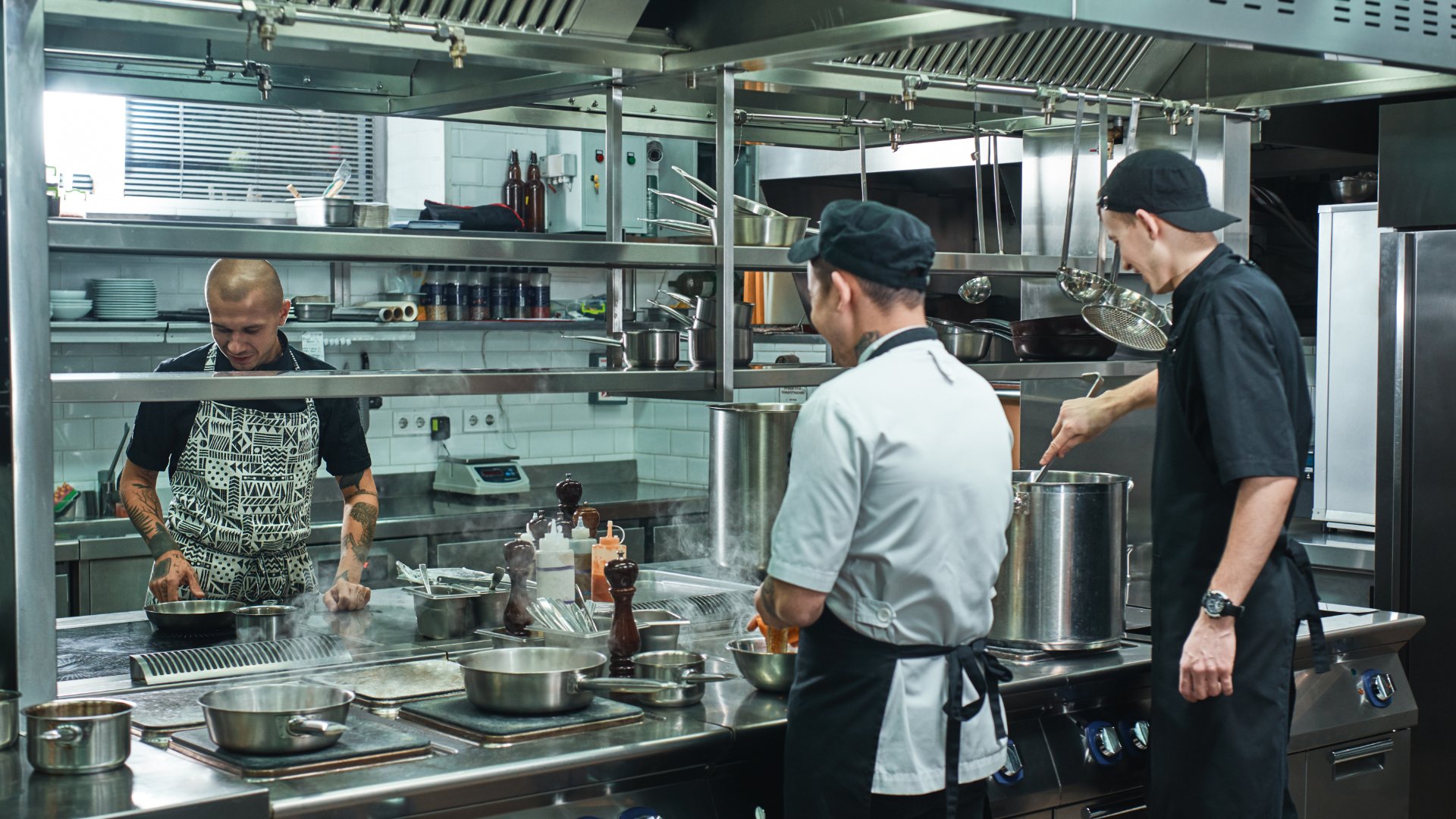
Commercial kitchens operate under intense demand, with constant heat, heavy equipment use, and strict service expectations shaping daily operations. Energy use often rises without clear oversight, creating unnecessary costs and avoidable strain on systems that already work near capacity. With careful planning and consistent action, operators can improve performance and support a more stable and efficient kitchen environment.
A thoughtful approach to energy management does not require dramatic change or costly upgrades at the start. Small adjustments in habits and equipment use can deliver measurable results over time without disrupting service quality. When teams understand how to manage energy consumption in a commercial kitchen, they can make informed decisions that protect resources and operational goals.
Equipment Selection and Efficiency
Commercial kitchens consume large amounts of energy due to equipment, heat loads, and extended hours that demand efficient management practices. Operators who select high-efficiency appliances reduce energy waste and improve overall performance across all stations within the kitchen environment. Careful evaluation of equipment ratings helps teams align purchases with operational needs and reduce unnecessary power use across daily service periods.
Energy-efficient appliances often include advanced controls that help regulate output and prevent excess consumption during peak hours. Staff who understand these features can adjust settings based on demand and avoid waste that results from constant maximum output levels. Proper use of these systems ensures consistent results while lowering operational costs and extending equipment life across demanding kitchen conditions.
Preventive Maintenance Practices
Routine maintenance ensures equipment operates at peak efficiency and reduces the risk of energy waste caused by worn components or hidden system faults. Technicians who inspect and service appliances at regular intervals help maintain consistent performance and prevent unexpected breakdowns that disrupt service. Clean filters and sealed connections all contribute to stable energy use and improved kitchen reliability across daily operations.
Staff should follow clear maintenance schedules that address each piece of equipment based on manufacturer recommendations and real usage patterns within the kitchen. Managers who track service history can identify trends and address recurring issues before they escalate into costly repairs or excessive energy use. A structured maintenance plan supports efficiency while reinforcing accountability across all team members responsible for equipment care.
Refrigeration Optimization
Refrigeration systems operate continuously and account for a significant portion of energy use within commercial kitchens that require strict temperature control standards. Proper organization within units allows for efficient airflow and reduces strain on compressors that must maintain safe storage conditions for food products. Staff should avoid overloading shelves and ensure doors remain closed when not in use to preserve internal temperatures.
Regular inspection of seals and insulation helps maintain consistent cooling performance and prevents energy loss that occurs when cold air escapes from compromised units. Understanding the role of gaskets in maintaining refrigeration efficiency will help operators reduce waste and support stable temperature control across all storage systems. Attention to these details ensures reliable operation while lowering energy demand and extending the lifespan of refrigeration equipment.
Ventilation System Management
Ventilation systems remove heat, smoke, and odors from commercial kitchens, yet they also consume large amounts of energy during continuous operation periods. Proper adjustment of airflow rates ensures effective removal of contaminants without excessive energy use that strains system components over time. Balanced ventilation supports comfort for staff while maintaining safe air quality standards required in busy kitchen environments.
Regular inspection of ducts and fans helps maintain efficient performance and prevents blockages that force systems to work harder than necessary. Staff should operate ventilation systems based on actual cooking activity rather than leaving them at full capacity during low-demand periods. Thoughtful control of ventilation supports energy savings and enhances overall kitchen performance across all service hours.
Smart Energy Monitoring Systems
Advanced monitoring systems provide real-time data that helps operators understand how energy flows through different areas of the kitchen during daily operations. Access to accurate information allows managers to identify inefficiencies and adjust practices to reduce unnecessary consumption across equipment and processes. Data-driven decisions support continuous improvement and help maintain consistent performance within demanding kitchen environments.
These systems can highlight patterns that reveal opportunities for improvement and guide adjustments that align energy use with operational needs. Staff who review this data regularly can respond quickly to changes and maintain efficient performance across all stations. Integration of monitoring tools supports accountability and ensures that energy management remains a visible priority within the organization.
Water Heating Efficiency
Water heating systems require significant energy to maintain temperatures needed for cleaning and food preparation within commercial kitchens. Efficient operation depends on proper calibration and insulation that prevent heat loss and reduce demand on heating elements during extended use. Staff should monitor usage patterns to ensure systems operate only when necessary and avoid unnecessary energy consumption.
Regular maintenance of water heaters helps maintain consistent performance and prevents scale buildup that reduces efficiency over time. Operators who adjust temperature settings based on actual needs can lower energy use without compromising sanitation standards required in food service environments. Efficient water heating practices support cost control and reliable kitchen operations across all service periods.
Fire Safety and Energy Considerations
Fire safety systems play a vital role in protecting kitchen operations, yet they also influence how equipment and ventilation systems operate during service. Proper coordination between safety measures and energy management ensures that systems function effectively without unnecessary consumption across all operational scenarios. Staff should understand how safety protocols interact with equipment use to maintain both protection and efficiency.
A restaurant kitchen fire safety plan is one of the best strategies to align operational safety with energy awareness and consistent system performance. Clear procedures help staff respond to risks while maintaining control over equipment and ventilation systems that affect energy use. Integration of safety planning with energy management supports a balanced approach that protects both people and resources.
Scheduling and Load Management
Effective scheduling helps distribute energy demand across different periods and prevents excessive strain on systems during peak service hours. Managers who plan equipment use carefully can reduce simultaneous load and maintain stable performance across all kitchen operations. Balanced scheduling supports efficiency while ensuring that service quality remains consistent throughout busy periods.
Staff should coordinate tasks to avoid unnecessary overlap that increases energy consumption and reduces overall efficiency within the kitchen environment. Clear communication between team members helps maintain smooth workflows and prevents equipment from operating at full capacity without need. Thoughtful load management supports efficiency and helps maintain reliable performance across all service demands.
Energy management in commercial kitchens requires attention to detail, consistent practices, and a clear understanding of how each system contributes to overall consumption. Operators who focus on efficiency across equipment and maintenance can achieve meaningful improvements without sacrificing service quality. Each adjustment builds toward a more stable and cost-effective operation that supports business goals and environmental responsibility.
A comprehensive approach combines technology and planning to create a kitchen that operates with purpose and efficiency. When teams commit to these principles, they can reduce waste, extend equipment life, and maintain high standards across all aspects of service. Sustainable energy practices strengthen the foundation of commercial kitchens and prepare them for continued success in a demanding industry.