


How Brands Avoid End-of-Season Markdown Panic
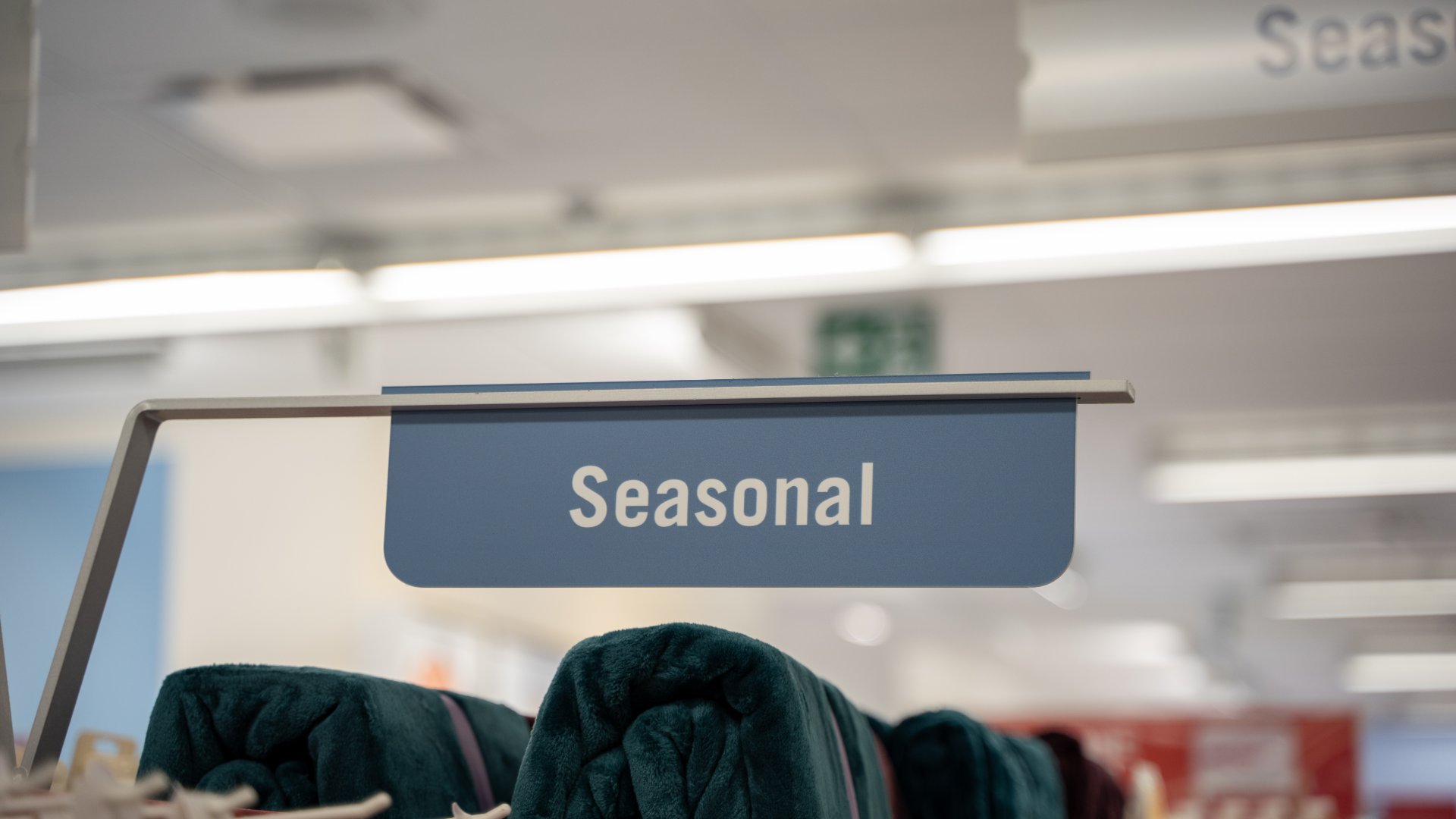
Seasonal inventory creates pressure because its value is tied to a shrinking window. A product that sells comfortably in the middle of a season loses urgency once shoppers begin thinking about what comes next. The shift makes how brands avoid end-of-season markdown panic a question of planning, not last-minute discounting. Brands that manage the season well make earlier decisions about demand, inventory exposure, promotional timing, and store execution.
Build the Season Around Exit Timing
A seasonal plan should begin with the final weeks in mind. Buying teams need a clear view of when full-price demand is likely to slow and how much inventory should remain at that point. Without an exit target, stores keep replenishing too long and create a larger markdown burden later.
The most useful plans connect purchase quantities to expected sell-through by specific dates. That approach gives teams a practical threshold for deciding whether sales are progressing normally. If inventory remains too high as the season advances, the brand has time to respond before a major price cut becomes the only option.
Exit timing should reflect the product category rather than a generic retail calendar. Outerwear, patio goods, and holiday decor lose relevance at different speeds. A store that treats every seasonal category the same risks moving too slowly where demand fades quickly and too aggressively where selling time remains.
Watch Sell-Through Before Revenue Looks Weak
Revenue alone does not reveal whether seasonal inventory is in danger. Strong sales hide a problem when receipts arrive faster than units leave. Sell-through provides a clearer view because it measures how much of the available inventory has moved within the planned period.
Teams should compare actual sell-through with the pace required to reach their exit target. A small gap early in the season might require a merchandising adjustment. A widening gap later signals that the brand needs a firmer response.
Store-level variation needs attention as well. One location might be overstocked while another is selling through at a healthy rate. Transfers between stores reduce markdown pressure without lowering the ticket price. The decision works best when inventory data is reviewed early enough to make the move worthwhile.
Correct Presentation Problems Before Cutting Price
Slow sales do not always mean the product is priced incorrectly. Poor placement and visibility weaken demand even when the offer remains relevant. Before discounting, teams should confirm that shoppers can see the merchandise and understand why it belongs in the current season.
Seasonal products lose momentum when displays remain static for too long. A refreshed presentation restores urgency by changing the shopper’s perception of what is new or timely. In high-traffic areas, temporary retail displays boost seasonal promotions by creating a clear focal point without requiring a permanent change to the store layout.
Presentation corrections should remain focused. Moving one key category closer to the entrance may create a stronger result than spreading the same merchandise across several weak locations. Clear signage reinforces the seasonal purpose without turning the display into a wall of promotional language.
Use Promotions in Controlled Stages
Brands create panic when they wait too long and then jump directly to a steep markdown. A staged promotion gives the business more control over margin and helps distinguish price-sensitive shoppers from those who were already likely to buy.
The first action might be a limited offer tied to a short period or a specific product group. If sell-through improves, the brand avoids a broader reduction. If the response remains weak, the next step can be larger and more targeted because the team has new information about demand.
Timing is more important than the number of promotional stages. A shallow discount introduced early enough protects more margin than a deep cut launched after shopper interest has disappeared. Each stage should have a defined purpose, a review date, and a clear condition for escalation.
Promotions should not send conflicting signals across channels. If the website shows urgency but the store presentation looks unchanged, the message loses force. Price, signage, and placement should support the same selling objective.
Limit Late Receipts and Replenishment
Seasonal markdown exposure grows when inventory continues arriving after demand has started to soften. Purchase orders should include delivery windows that support the planned selling curve. Late receipts turn a manageable inventory position into a clearance problem.
Replenishment rules need the same discipline. Automated systems might continue ordering based on recent sales without accounting for the season’s approaching end. Brands should adjust those settings before the final phase begins so the system does not replace units that no longer need replacement.
Vendor flexibility reduces risk when demand becomes uncertain. Smaller follow-up orders or adjustable delivery dates preserve the ability to react without carrying excessive stock. The goal is not to eliminate inventory risk. It is to prevent commitments from growing after the business has enough information to see that the original forecast is no longer holding.
Separate Healthy Inventory From Problem Inventory
Not every remaining seasonal item requires the same response. Some products still have selling potential because their use extends beyond the official season. Others are tied to a specific event or weather condition and lose relevance quickly.
Grouping all leftover inventory into one markdown event sacrifices margin on items that might sell with a lighter intervention. Brands should evaluate which products need immediate action and which can remain at a stronger price. Product age, remaining demand, and storage cost should guide the distinction.
A disciplined review prevents emotions from shaping the decision. Teams under pressure sometimes overreact to the total number of units instead of examining where the real exposure sits. A narrow problem should receive a narrow solution.
Give Stores Clear Decision Rules
Store teams need enough direction to act consistently without waiting for approval on every adjustment. Clear rules might define when to add signage and when to apply a scheduled promotional step. Those rules should be tied to measurable inventory conditions.
Consistency protects the brand from uneven execution. One store should not be clearing a category aggressively while another holds the same item at full price without a strategic reason. Central guidance gives local teams a reliable framework, while store feedback reveals conditions that inventory data might miss.
Communication should grow more frequent near the season’s end. Short updates on sell-through and promotional results keep teams aligned. The purpose is not to add meetings. It is to prevent small delays from turning into expensive decisions.
End-of-season pressure loses its power when markdowns remain a business decision rather than an emergency reaction. The clearest answer to how brands avoid end-of-season markdown panic is to protect flexibility before the selling window narrows. Discipline gives brands room to act with purpose instead of chasing inventory with deeper discounts. A controlled finish preserves both margin and confidence heading into the next season.