


The Hardest Materials to Weld and Why
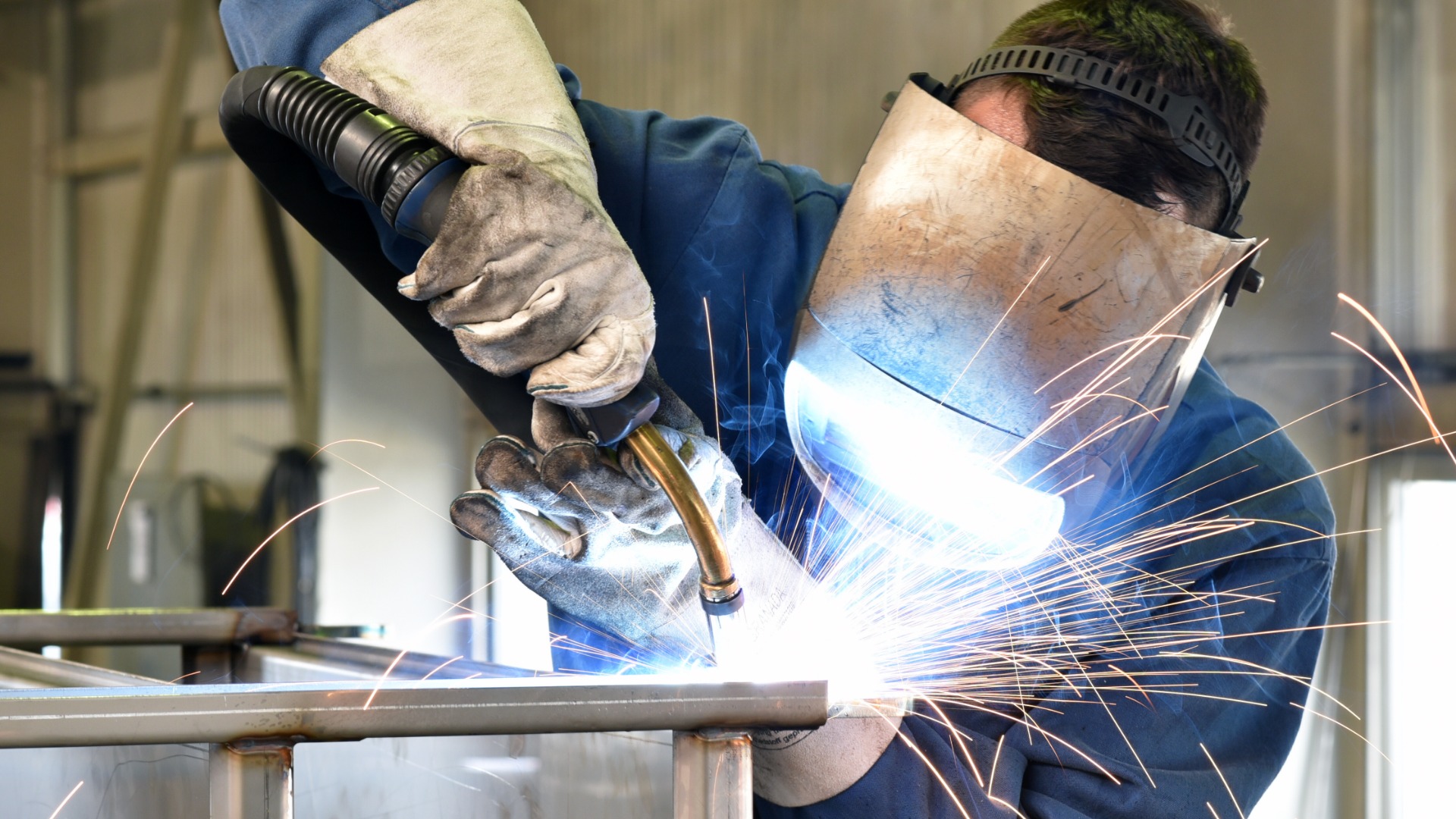
Metal doesn’t always behave the way people expect once heat hits it. Some metals melt quickly. Some hold heat in strange ways. Some crack after everything looked fine at first. That’s what makes the hardest materials to weld worth talking about.
If you’ve worked around metal, watched a repair go sideways, or wondered why one job takes so much more care than another, the answer usually comes down to how the material reacts under heat.
Aluminum
Aluminum is a lightweight, nonferrous metal known for its corrosion resistance, high thermal conductivity, and low melting point. What makes it challenging to weld is the way it reacts to heat at the surface and throughout the base material. Aluminum forms a tough oxide layer that melts at a much higher temperature than the metal underneath it, so poor cleaning can block fusion. It also pulls heat away from the weld area quickly, which makes puddle control harder and raises the risk of burn-through, distortion, and weak welds.
Titanium
Titanium is a lightweight metal with high tensile strength and strong corrosion resistance. It also performs well under heat and pressure. Welding titanium gets difficult because the metal absorbs gases from the air while it’s hot. Oxygen can harden the weld area. Nitrogen can reduce ductility. Hydrogen can cause cracking after the weld cools. This contamination can form around the weld bead and on the backside of the joint, so the entire heated area needs argon coverage until the metal cools below its reactive range.
Magnesium
Magnesium is one of the lightest structural metals used in manufacturing. It shows up in parts where low weight has a direct effect on performance, especially in automotive and aerospace work. The welding difficulty comes from its low melting point and high reactivity. Magnesium can overheat quickly, and too much heat can weaken the surrounding base metal before the welder has a stable puddle. Surface oxidation also creates fusion problems, so the joint needs careful cleaning before heat ever reaches the metal.
Cast Iron
By far one of the most difficult materials to weld is cast iron. Cast iron is a carbon-heavy material with a brittle structure. Because of that high carbon content, it’s incredibly sensitive to rapid heating and cooling. Common issues welders run into while welding it include cracking, warping, and weak fusion between the weld and base metal. But like all of the materials on this list, while cast iron is tough to work with, it’s not impossible to weld it. It just takes proper heat control, clean prep, and patience.
Stainless Steel
Stainless steel is an iron-based alloy with chromium added for corrosion resistance. That chromium forms a protective surface layer, which gives stainless steel its value in food processing, medical equipment, construction, and marine parts.
Welding it is difficult because heat can change the metal near the joint. Too much heat can reduce corrosion resistance, pull the part out of shape, or leave the weld area vulnerable to carbide precipitation. The welder has to control heat input carefully so the finished joint keeps the strength and corrosion resistance stainless steel is chosen for.
High-Carbon Steel
High-carbon steel contains a larger amount of carbon than mild steel, which gives it greater hardness and wear resistance. The same carbon content also makes welding risky because the heat-affected zone can harden too much as it cools. Once that area hardens, it loses flexibility and becomes prone to cracking under stress. The problem gets worse when the part cools too quickly after welding. Preheating helps slow the temperature change, while controlled cooling gives the weld area a better chance to stay stable.
Tool Steel
Tool steel is a high-performance steel made for cutting, forming, stamping, and shaping other materials. It gets its hardness from alloying elements and heat treatment, which also make welding difficult. When weld heat enters the steel, it can disturb the hardened structure around the joint. That area can become brittle as it cools, especially when the temperature drops too quickly. Tool steel also holds internal stress from prior heat treatment, so welding can release that stress and cause cracking near the repair.
Copper
Copper is a nonferrous metal valued for its electrical conductivity and ability to transfer heat. Welding copper can be tough because the metal pulls heat away from the weld zone faster than many welders expect. A joint can need a large amount of heat before the puddle forms, but that same heat can spread through the part and change the surrounding area. Thick copper sections create the biggest challenge because the weld pool can stay sluggish while the rest of the workpiece keeps absorbing heat.
Nickel Alloys
Nickel alloys are metals built around nickel with added elements that improve heat resistance and corrosion resistance. They’re common in chemical processing, power generation, and high-temperature equipment because they hold up in harsh service conditions. The challenge in welding them comes from how the weld pool behaves under heat. Nickel alloy weld puddles can feel sluggish, which makes bead control harder on tight joints. Excess heat can also increase the risk of hot cracking as the metal solidifies, especially when contamination sits on the surface before welding starts.
Tungsten
Tungsten is a dense refractory metal known for its extremely high melting point and strength under intense heat. The same heat resistance that makes tungsten useful in demanding applications also makes it hard to weld. It takes far more heat to create a workable weld pool than many common metals require, and the material can become brittle when contamination enters the joint. Tungsten also has low ductility at room temperature, so stress from uneven heating can lead to cracking after the weld cools.
Getting The Weld Right Starts with the Metal
Every material on this list can be welded, but none of them give welders much room for careless prep or rushed heat control. The metal decides how much skill the job takes before the torch even starts. Understanding hard materials to weld and why helps explain why proper cleaning, heat management, filler choice, and cooling control matter so much from one job to the next.