


The First-Time Pool Owner’s Guide to Pool Maintenance
Owning a pool for the first time can feel a little like adopting a very large, very quiet pet. It sits in the yard, looks beautiful, attracts family and friends, and then suddenly demands attention because the water turned cloudy overnight. For families across northeast Wyoming and southwest South Dakota, a backyard pool can bring welcome relief during hot, dry stretches.
Clear water does not happen by luck. It comes from a rhythm. If you’re a first-time pool owner, keep reading for our guide to pool maintenance that will help you keep your pool clean, clear, and sparkling.
Start With the Water, Not the Skimmer
Many first-time pool owners assume maintenance starts with leaves, bugs, and whatever the wind blows in from the pasture. Cleaning matters, of course, but water chemistry plays the starring role. Pool water requires balance. When the chemistry drifts, swimmers may notice stinging eyes, dry skin, strong odors, cloudy water, or algae.
The main readings to watch include sanitizer, pH, alkalinity, calcium hardness, and stabilizer. That may sound like a lot at first, but each reading tells part of the same story. When one number drifts, another may follow. That is why guessing with chemicals can create more trouble than it solves.
Test Before You Treat
A pool can tempt even a patient person into quick fixes. Cloudy water appears, and suddenly every bottle in the supply shed looks like the answer. Resist that urge.
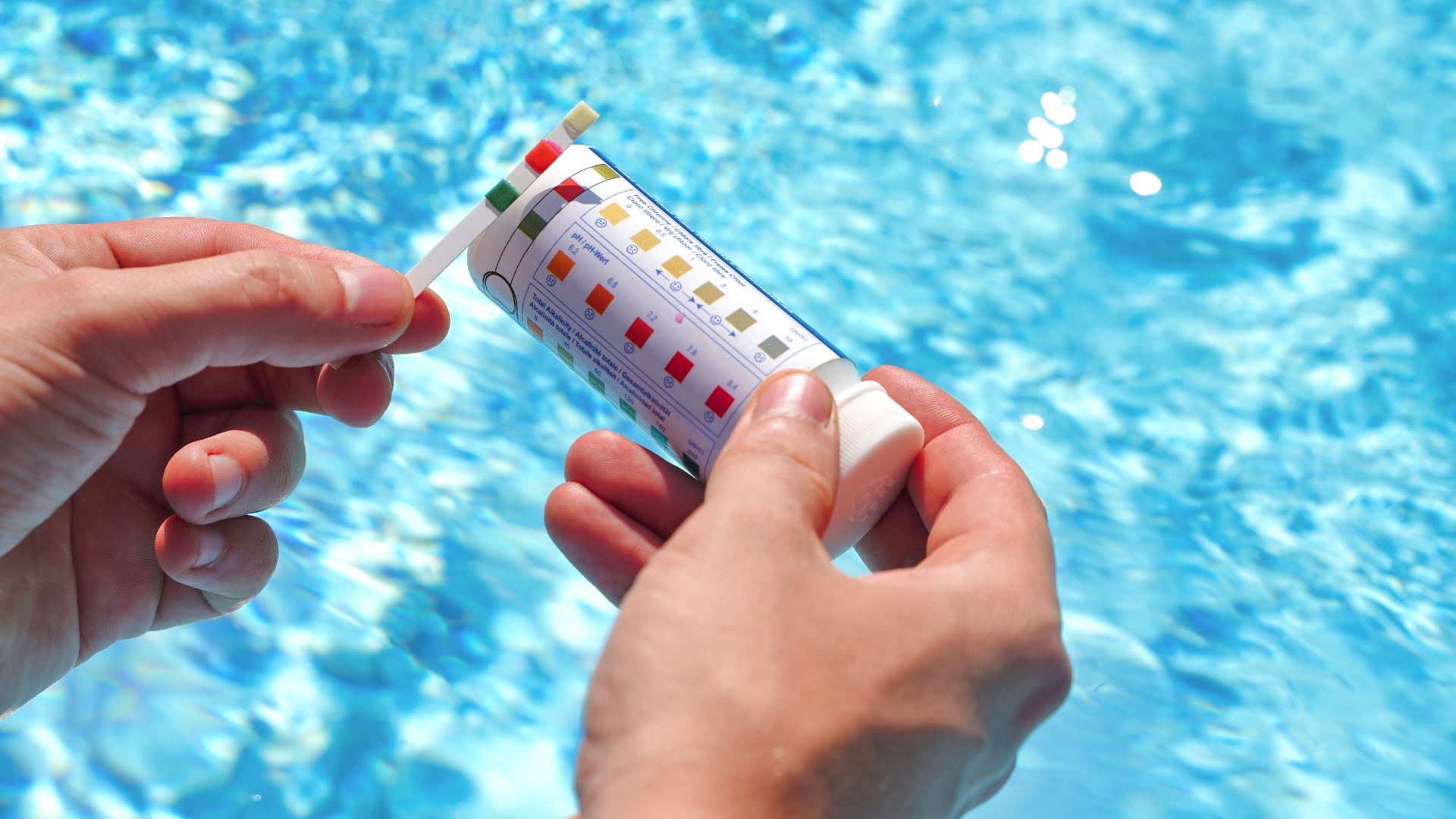
Testing should come before treatment. Test strips, liquid kits, and store testing services can all help pool owners understand what the water needs. The key is consistency. New pool owners should test the water several times a week during swim season, especially after heavy use, storms, high heat, or long stretches of sun.
One option is to bring in your pool water for a professional test. When you use a pool water testing service, you can expect professionals to break down the results in plain language and offer a personalized treatment plan to make your pool look better than ever. That kind of clarity matters because pool care should not become a guessing game.
Give the Filter the Respect It Deserves
If water chemistry acts like the pool’s health chart, the filter acts like its lungs. It moves water, traps debris, and helps the sanitizer do its job.
Most residential pools use sand, cartridge, or diatomaceous earth filters. Each type has its own cleaning needs, but every filter needs regular attention. A dirty or clogged filter slows circulation, and poor circulation can leave areas of the pool under-treated. That invites cloudy water and algae.
New pool owners should learn the normal pressure reading on their filter gauge. When the pressure rises beyond the normal range, the filter may need cleaning or backwashing, depending on the system. The owner’s manual matters here. So does a quick conversation with a pool professional when something seems unclear.
Make Skimming a Small Daily Habit
Skimming may not sound glamorous, but it keeps bigger problems away. Leaves, grass, insects, and dust can affect water quality when they sit too long. In windy parts of Wyoming and South Dakota, debris can appear quickly, even after a pool looked spotless that morning.
A quick skim each day during swim season keeps the surface inviting and reduces the load on the filter. Pool owners should also empty skimmer and pump baskets before they overflow with debris. A stuffed basket restricts water flow, which makes the pump work harder than it should.
Watch the Weather Like a Pool Pro
Local weather can change pool care in a hurry. Rain can dilute chemicals and carry dirt into the pool. Hot weather can burn through sanitizer faster. Wind can fill the water with dust, pollen, leaves, and everything else the prairie decides to share.
After storms, pool owners should check the water level, skim debris, test the chemistry, and inspect the equipment area. If the water level rises too high, the skimmer may not work properly. If the pool picks up a heavy load of dirt, the filter may need extra attention.
Learn the Difference Between Routine Care and Rescue Care
An important part of the first-time pool owner’s guide to pool maintenance is understanding the difference between routine and rescue care. A good pool routine keeps small issues from becoming big ones. Rescue care starts after the water turns green, cloudy, smelly, or harsh.
Routine care includes testing, balancing, skimming, brushing, vacuuming, cleaning baskets, checking the filter, and keeping the water level where it belongs. Rescue care may involve shock, algaecide, filter cleaning, repeated testing, and several days of patience. First-time owners should not feel embarrassed when problems arise. The important thing is to slow down, test the water, follow a clear plan, and avoid adding several products at once unless an expert recommends that approach.
Keep Swimmers in the Routine
A pool belongs to everyone who enjoys it, so the household can help protect the water. Swimmers should rinse off before entering when practical, especially after applying sunscreen, working in the yard, or playing in dirt. Pool toys should stay clean, and pets should not use the pool unless the owner understands the additional cleaning load.
Food and drinks also create problems around the water. A few crumbs may not look like much, but they can attract insects and add debris. Glass should stay far away from the pool area because broken glass near water creates a serious safety issue and a cleanup nightmare.
Plan for the End of the Season
In this region, winter does not politely knock. It can arrive with a hard freeze, a stiff wind, and a reminder that outdoor water needs a plan. Seasonal pool owners should prepare before cold weather settles in. Winterizing may include balancing water, lowering the water level, cleaning the pool, protecting plumbing, removing accessories, adding winter chemicals, and covering the pool.
Rushing closing can cause spring headaches. A careful closing protects the pool, saves money, and gives owners a better chance of opening clear water when warm weather returns.
Build a Routine That Fits Real Life
The best maintenance plan is the one a homeowner will follow. A complex schedule taped to the garage wall does little good if nobody understands it. A first-time owner might choose certain days for testing, brushing, and vacuuming, then make skimming part of a short evening walk around the yard. Equipment checks can happen while watering plants or putting away pool toys.
With time, owners start to recognize the pool’s personality. They learn how the water reacts after a storm, how quickly debris collects, and how much attention the pool needs after a family gathering.
Clear Water, Calm Owner
A first pool brings a learning curve, but it also brings a lot of joy. The secret is to respect the basics. Test before treating, keep water moving, clean a little at a time, watch the weather, and prepare for the season ahead.
After a few weeks, the pattern becomes familiar. The pool turns from a mystery into a manageable part of home life. And when the water sparkles, the filter hums, the kids laugh, and the towels pile up by the back door, all that routine starts to feel well worth it.