


The Equipment You Need To Start a Surgery Center
Opening a surgery center blends clinical judgment with business discipline. Leaders have to plan how to care for each individual before the first patient enters the facility.
Equipment choices shape nearly every one of those decisions. The right setup supports safe procedures and a practical workday for surgeons and nurses. Here’s a clear guide to the equipment you need to start a surgery center with a sharp eye toward function and long-term growth.
Procedure Room Essentials
From incision through closure, every surgery center depends on procedure rooms that support precise care. Operating tables come first because they affect positioning and staff access during each case. Adjustable height and stable locking systems both matter during daily use.
Surgical lights deserve careful review because clear visibility supports precision and efficiency. Healthcare professionals also benefit from high-quality lights that aim to reduce eye strain during long procedures.
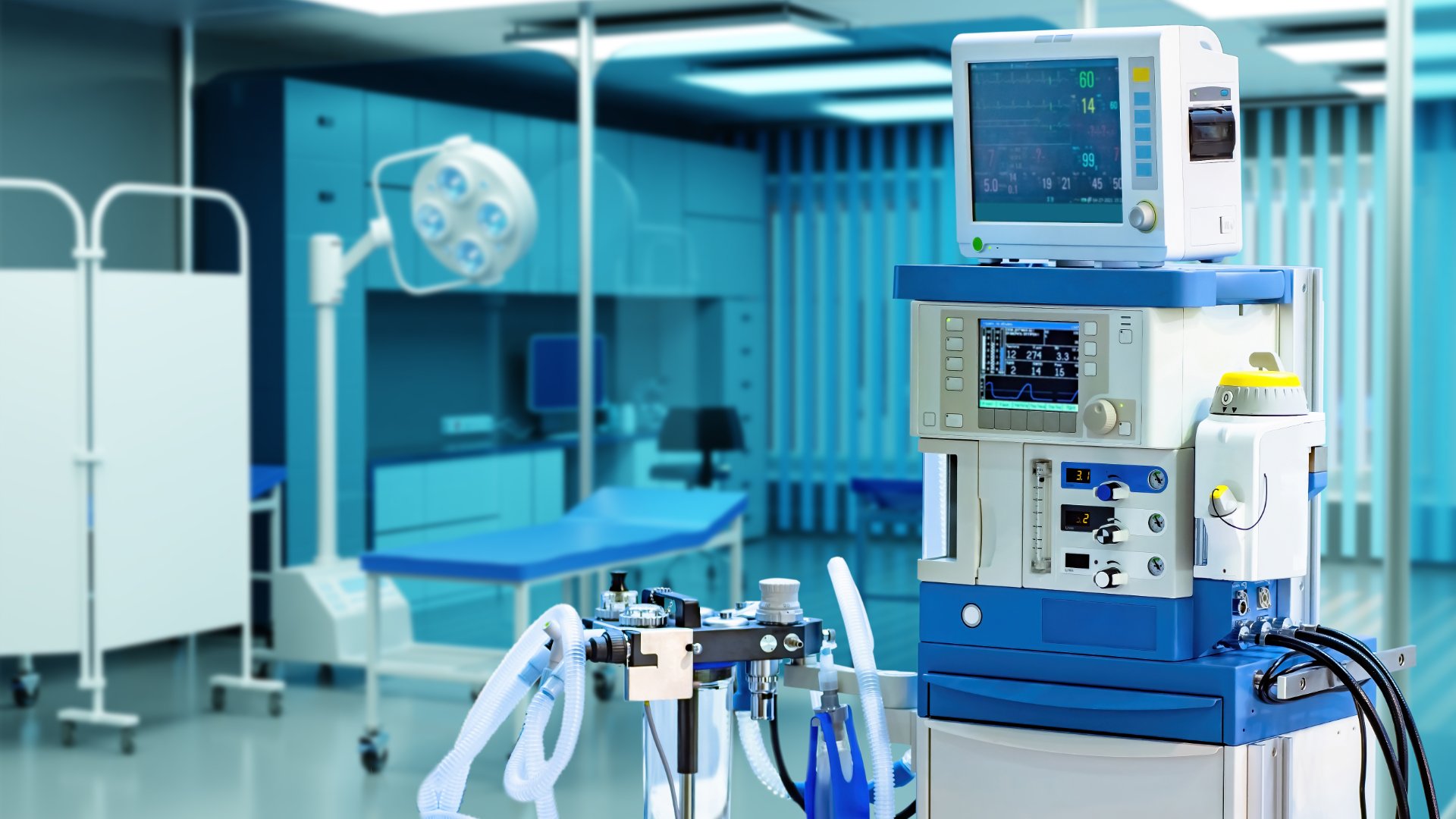
Anesthesia machines are another type of general surgical equipment that plays a central role in many surgical procedures. The right machine depends on the types of services the center plans to provide. For example, a facility that focuses on orthopedic procedures may have different needs than a center that specializes in outpatient plastic surgery. Leaders should also consider future service expansion so equipment can support growth without requiring an immediate replacement.
Sterilization Equipment
Sterilization areas support the entire clinical schedule. Autoclaves and instrument washers work together to keep tools ready between cases. Ultrasonic cleaners and drying cabinets also protect instrument quality.
Space planning matters in this area. Dirty instruments must move through cleaning before they reach inspection and packaging. Clean storage should sit apart from that workflow because crossed traffic invites errors.
Monitoring Systems
Patient monitoring systems serve as the link between clinical observation and real-time decision-making during a procedure. These devices help teams track heart rhythm and oxygen saturation while also monitoring blood pressure and temperature. By bringing critical information together in one place, the staff is able to respond quickly when a patient’s condition changes.
That need for visibility continues after the procedure ends. Recovery areas require dependable monitoring equipment because patients remain under observation as anesthesia wears off. Post-anesthesia teams rely on accurate data to evaluate recovery progress and identify potential concerns before discharge.
As surgery centers compare monitoring options, connectivity should remain part of the conversation. Some systems transfer patient data directly into electronic health records, decreasing the need for manual documentation. This convenient feature can improve the workflow’s efficiency.
Surgical Instruments
Instrument planning should begin with a clear understanding of the procedures the center plans to perform. That foundation helps leaders identify the tools that will support daily operations without overspending on equipment that may see little use. Ophthalmology and orthopedics require very different instrument trays. Pain management and plastic surgery also bring their own unique requirements.
Once the procedure list is established, surgeons should review proposed trays before orders are finalized. Their input helps ensure that clamp styles and specialty instruments align with established techniques and workflow preferences. This collaboration creates a more efficient operating environment from the start. It also prevents unnecessary purchases and reduces the likelihood that staff will face equipment gaps on opening day.
Imaging Equipment
Many surgery centers rely on imaging equipment because it helps clinicians make informed decisions during procedures. The specific systems a facility needs often depend on the services it plans to offer. C-arms and ultrasound systems can support diagnosis and procedural navigation. Endoscopy towers and display monitors can help physicians confirm findings and maintain a clear view throughout a case.
Because these systems play such an important role in patient care, facility planning should account for them well before construction is complete. C-arms require enough space to move safely around the operating table without disrupting workflow. Endoscopy towers need convenient power access and clear sightlines so physicians can view images comfortably during procedures. When equipment selection and room design develop together, teams create an efficient environment that supports clinical performance and patient safety.
Recovery Room Supplies
Aside from the operating room, patients need a space that prioritizes their well-being. Patient monitors help staff track vital signs during the recovery period. Pulse oximeters and blood pressure devices support ongoing assessment as patients regain alertness. Together, these tools create a well-managed recovery environment.
Along with comfort features, recovery rooms must support quick clinical response when needed. Emergency supplies, including a crash cart and airway tools, belong close to the healthcare team. Easy access to these resources helps staff respond without delay.
Medication Storage
Medication requires careful storage because temperature changes and unauthorized access may hinder its safety and effectiveness. Secure medication cabinets protect routine drugs, while locked controlled substance safes support compliance requirements. Temperature monitoring equipment is also essential because many medications must remain within specific storage ranges.
Refrigerated medication units deserve special attention because certain drugs require consistent cooling conditions. Installing an alarm system is beneficial, so staff members can respond quickly to temperature fluctuations and safeguard the medications.
Patient Safety Equipment
Safety planning should connect directly to the types of procedures a surgery center expects to perform. A facility that handles orthopedic cases faces different risks than a center focused on endoscopy. Those differences help determine how to organize and place emergency equipment.
Crash carts and defibrillators should remain easy to access from both procedure rooms and recovery areas. If a patient develops a cardiac complication during recovery, then staff need immediate access to life-saving tools. Airway carts and oxygen systems support the same goal because respiratory issues can develop quickly during or after anesthesia. Suction devices work alongside that equipment by helping teams maintain a clear airway when rapid intervention becomes necessary.
Facility Safety Equipment
Beyond patient emergencies, surgery centers must prepare for facility-related hazards. Fire extinguishers should match the building layout and local safety requirements. Spill kits help staff respond to chemical or biological exposures without disrupting surrounding clinical areas. Eyewash stations provide another layer of protection in spaces where staff members handle cleaning agents and sterilization products regularly.
The Equipment That Makes Up a Functional Surgery Center
A successful surgery center depends on equipment that supports patient safety and efficient daily operations. Leaders should focus on tools that match their planned services while leaving room for future growth.
Input from surgeons and nurses helps guide smart purchasing decisions. Feedback from anesthesia providers and administrators adds valuable operational insight. With a clear strategy in place, the equipment you need to start a surgery center becomes easy to identify and prioritize.