


Designing a More Sustainable Home Without Sacrificing Style
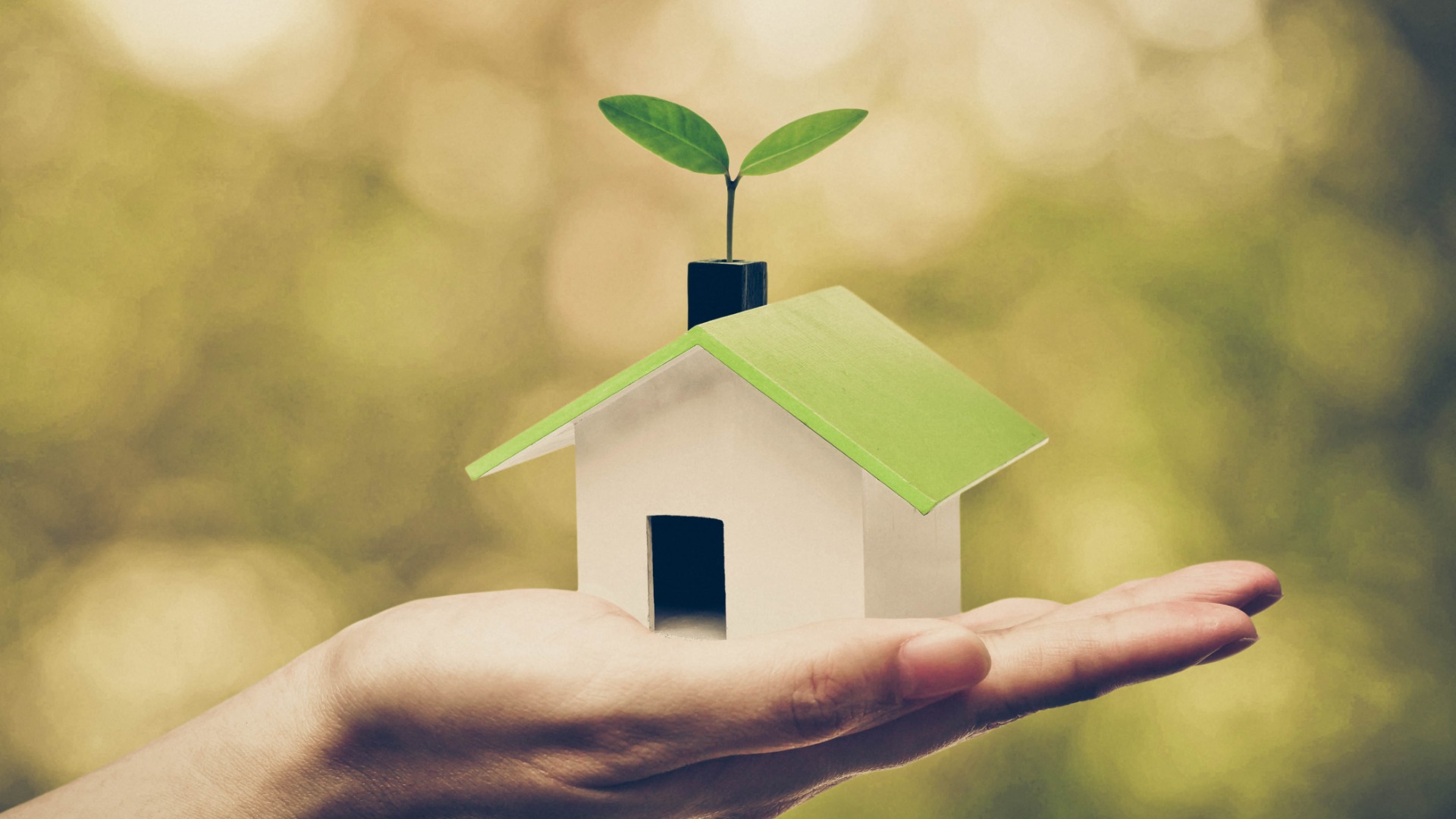
Creating a home that reflects your personal style while also supporting a more sustainable lifestyle doesn’t have to feel like a compromise. In fact, many of today’s most appealing design trends are rooted in eco-conscious choices. At its core, designing a more sustainable home without sacrificing style is about being thoughtful. It’s less about drastic overhauls and more about aligning your aesthetic preferences with choices that reduce waste, conserve resources, and create a healthier living environment.
Choosing Materials That Look Good and Last
One of the easiest ways to blend sustainability with design is by selecting materials that are both durable and visually appealing. Natural materials such as wood, stone, and linen have a timeless quality that works across a variety of styles, from modern minimalism to rustic charm. When sourced responsibly, these materials also carry a lower environmental impact compared to synthetic alternatives.
Reclaimed wood, for example, adds character and history to a space while reducing the demand for new lumber. Similarly, recycled metal fixtures or glass decor pieces can introduce texture and uniqueness without contributing to excessive resource extraction. Longevity plays a big role here. A well-made piece that lasts for years not only looks better over time but also prevents the cycle of frequent replacements.
Embracing a Less-Is-More Approach
Sustainable design often overlaps with minimalist principles, but that doesn’t mean your home has to feel sparse or impersonal. Instead, it encourages intentionality. Rather than filling every corner with decor, focus on pieces that serve a purpose or bring genuine joy.
This approach reduces clutter while highlighting the items you truly value. It also makes cleaning and maintenance easier, which can reduce the need for excessive cleaning products and energy use. A curated space tends to feel calmer and more cohesive, reinforcing the idea that sustainability can enhance, rather than limit, your design choices.
Lighting That Elevates Mood and Efficiency
Lighting has a powerful impact on both the look and function of a home. Maximizing natural light is one of the simplest ways to reduce energy consumption while creating a warm, inviting atmosphere. Sheer curtains, strategically placed mirrors, and light-colored walls can help reflect sunlight throughout a space.
When artificial lighting is necessary, energy-efficient options like LED bulbs provide long-lasting illumination without compromising on style. Modern fixtures come in a wide range of designs, allowing you to maintain your aesthetic while making a more environmentally responsible choice. Thoughtful lighting design ensures that every room feels intentional and comfortable without unnecessary energy waste.
Textiles That Balance Comfort and Responsibility
Soft furnishings like rugs, curtains, and upholstery contribute significantly to a home’s overall feel. Choosing textiles made from organic or recycled fibers can reduce environmental impact while still offering comfort and visual appeal. Cotton, wool, and bamboo fabrics are popular choices that blend durability with a natural look.
Layering textures is a great way to add depth to a room without relying on excess decor. A well-placed rug, a textured throw, or a set of quality cushions can transform a space while aligning with sustainable values. Paying attention to how these elements are produced and how long they will last helps maintain a balance between style and responsibility.
Functional Design That Reduces Waste
A sustainable home isn’t just about what you see—it’s also about how the space functions. Designing with practicality in mind can significantly reduce waste over time. Storage solutions that keep items organized and accessible help prevent overbuying and make it easier to maintain a tidy home.
Entryways are a great example of this principle in action. By creating a designated space for shoes, coats, and everyday items, you can minimize the amount of dirt and debris that gets tracked inside. This not only keeps your home cleaner but also reduces the frequency of deep cleaning, which in turn lowers water and chemical usage.
Incorporating elements like durable mats at entrances can support this effort. Something as simple as the role of entrance mats in reducing carbon footprints can contribute to a broader sustainability strategy without detracting from your overall design.
Investing in Quality Over Quantity
One of the most impactful shifts you can make is prioritizing quality over quantity. Instead of purchasing multiple inexpensive items that may wear out quickly, invest in pieces that are built to last. This mindset not only reduces waste but also elevates the overall look of your home.
High-quality furniture, decor, and fixtures often feature better craftsmanship and more thoughtful design. Over time, these pieces develop character, adding depth and personality to your space. This approach reinforces the idea that sustainability and style are not opposing forces but complementary ones.
Incorporating Greenery Into Your Space
Plants are a natural addition to any sustainable home design. They improve air quality, add visual interest, and create a connection to the outdoors. Whether you prefer large statement plants or smaller arrangements, greenery can enhance the ambiance of a room without requiring significant resources.
Choosing low-maintenance plants ensures that they thrive without excessive water or care. Incorporating a mix of textures and heights can create a dynamic look that complements your overall design. This simple addition brings life into your home while aligning with eco-conscious principles.
Creating Habits That Support Your Design Choices
A sustainable home isn’t just about the physical space—it’s also about the habits that take place within it. Simple routines like turning off lights when not in use, reducing water waste, and maintaining your belongings can have a significant impact over time.
These habits reinforce the design choices you’ve made, ensuring that your home continues to operate efficiently and responsibly. When your daily routines align with your design philosophy, sustainability becomes a natural part of your lifestyle rather than an added effort.
Redesigning Your Home
Ultimately, designing a more sustainable home without sacrificing style is about finding harmony between aesthetics and intention. It’s about making choices that reflect your personal taste while also considering their impact on the environment. When style and sustainability work together, the result is a home that not only looks good but also feels right—an environment that supports both your well-being and the world around you.