


From Cozy To Cutting-Edge: The Next Wave of Home Design
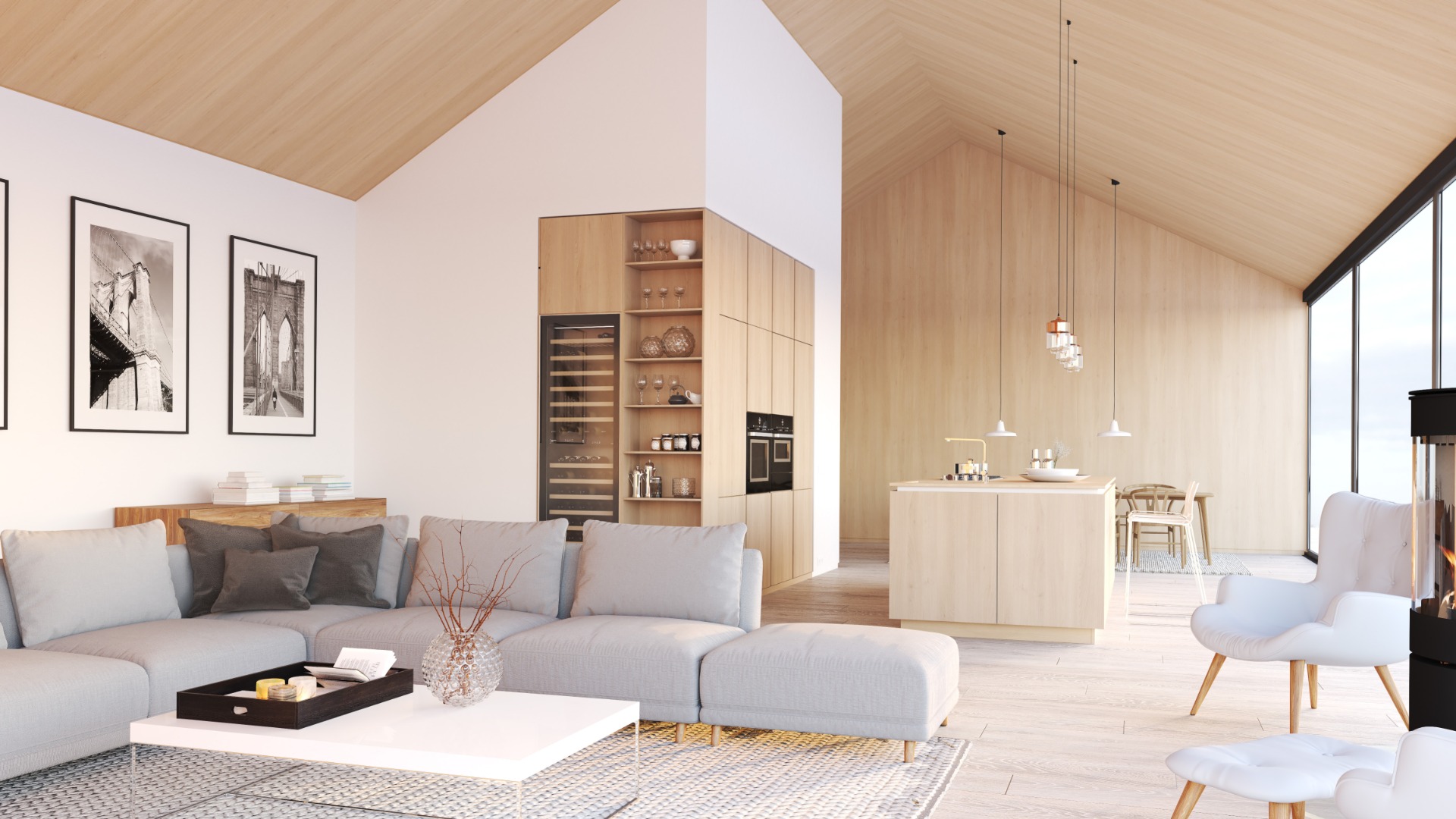
Home design keeps evolving in ways that feel exciting and personal. Homeowners no longer choose between comfort and innovation because modern spaces blend with ease. Today’s homes reflect lifestyle and long-term goals rather than just trends. This next wave of design invites people to create spaces that feel warm, functional, and forward-thinking all at once. From cozy to cutting-edge, the next wave of home design is set to push boundaries and inspire innovation.
Where Comfort Still Reigns Supreme
Cozy design continues to anchor modern interiors, even as styles shift toward sleek innovation. Soft textures, layered fabrics, and warm lighting create spaces that encourage relaxation after a long day. Homeowners choose plush seating, oversized throws, and calming colors to build inviting environments. These elements ensure that even the most modern home still feels like a place to unwind.
Comfort also extends beyond aesthetics into how a home functions. People want spaces that support rest, conversation, and everyday living without feeling stiff or overly styled. Designers now focus on creating layouts that allow movement while maintaining that cozy atmosphere. This balance keeps homes from feeling cold or overly minimal.
The Rise of Smart, Functional Spaces
Technology plays a growing role in shaping how homes operate and feel. Smart lighting, climate control systems, and voice-activated devices simplify daily routines in subtle ways. Homeowners integrate these features into their spaces without letting technology dominate the design. A smart home should feel seamless, not overwhelming.
Functionality drives many design choices as people spend more time at home. Multi-use spaces now support relaxation and entertainment in one area. Designers think carefully about layout, storage, function, and flow to make sure each space works efficiently. This approach creates homes that feel modern and practical.
Blending Old and New for Character
Modern homes often shine when they mix vintage charm with contemporary design. Homeowners pair antique furniture with clean lines and modern finishes to create depth. This contrast keeps spaces interesting and prevents them from feeling too uniform. A single heirloom piece can add personality to an otherwise modern room.
Designers encourage people to embrace pieces with history rather than replacing everything at once. This approach allows homes to tell a story instead of looking like a showroom. It also supports sustainability by reusing and repurposing older items. The result feels authentic and lived-in without sacrificing style.
Open Concepts With Purpose
Open floor plans still dominate home design, but they now come with more intention. Instead of leaving large areas undefined, homeowners create clear zones for specific activities. Rugs, lighting, and furniture placement establish boundaries without closing off the space. This method keeps homes feeling open while improving functionality.
Families benefit from these intentional layouts because they support multiple activities at once. One person can cook while another works or relaxes nearby without interference. Designers carefully plan traffic flow to avoid clutter and confusion. This thoughtful approach makes open spaces feel organized and purposeful.
Nature Moves Indoors
Natural elements continue to shape how homes look and feel. Wood finishes, stone accents, and greenery bring warmth and texture into modern spaces. Large windows invite natural light, which brightens rooms and creates a connection to the outdoors. These features reduce stress and promote a sense of calm.
Homeowners also embrace natural color palettes inspired by landscapes. Earth tones, soft greens, and muted blues create a soothing environment that feels timeless. Plants serve decorative and functional purposes by improving air quality and adding life to a room. This connection to nature plays a major role in modern design.
Furniture That Works Smarter
Furniture design continues to evolve alongside changing lifestyles. Homeowners now expect pieces to serve multiple purposes without sacrificing comfort or style. This shift highlights furniture trends to look for in 2026, where modular seating, expandable tables, and hidden storage solutions take center stage. These pieces adapt to different needs and maximize available space.
Flexible furniture works especially well in smaller homes or multi-use areas. A sofa that transforms or a table that expands can completely change how a room functions. Designers focus on creating pieces that move easily and serve more than one role. This approach helps homeowners get the most out of every square foot.
Sustainability Takes the Spotlight
Sustainability continues to influence home design in meaningful ways. Homeowners choose eco-friendly materials, energy-efficient appliances, and long-lasting furniture. These decisions reduce environmental impact while creating healthier living spaces. Sustainable design now feels like a natural choice rather than a niche trend.
Designers also encourage mindful consumption by focusing on quality over quantity. Investing in durable pieces reduces the need for frequent replacements. This approach supports the environment and long-term savings. Homes designed with sustainability in mind often feel more intentional and thoughtfully curated.
Small Change, Big Impact
Not every design update requires a full renovation or large investment. A few simple adjustments can refresh the space and improve how it feels and functions, such as:
- Swap outdated lighting for modern fixtures.
- Add textured rugs to create warmth.
- Rearrange furniture to improve flow.
- Introduce plants for a fresh, natural touch.
- Update cabinet hardware for a subtle upgrade.
These small updates allow homeowners to experiment without committing to major changes. They also provide quick wins that improve appearance and usability. Over time, these adjustments can completely transform a space. Even the smallest change can make a noticeable difference.
Personal Style Leads the Way
Home design trends come and go, but personal style remains the most important factor. Homeowners now feel more comfortable mixing influences and trying new ideas. They move away from strict rules and focus on creating spaces that reflect their personalities. This freedom leads to more authentic and unique homes.
Designers encourage people to trust their instincts when making decisions. A home should feel right to the person living in it, not just look good in photos. Personal touches like artwork, family pieces, and meaningful decor add depth and character. These elements turn a house into a home.
Home design has entered a phase where cozy comfort meets cutting-edge innovation without conflict. People create spaces that reflect their lives while embracing new ideas and technologies. Each design choice contributes to a home that feels functional, stylish, and personal. As trends continue to evolve, homeowners can look forward to even more ways to shape spaces that truly work for them.