


Common Causes of Dull and Faded Car Paint
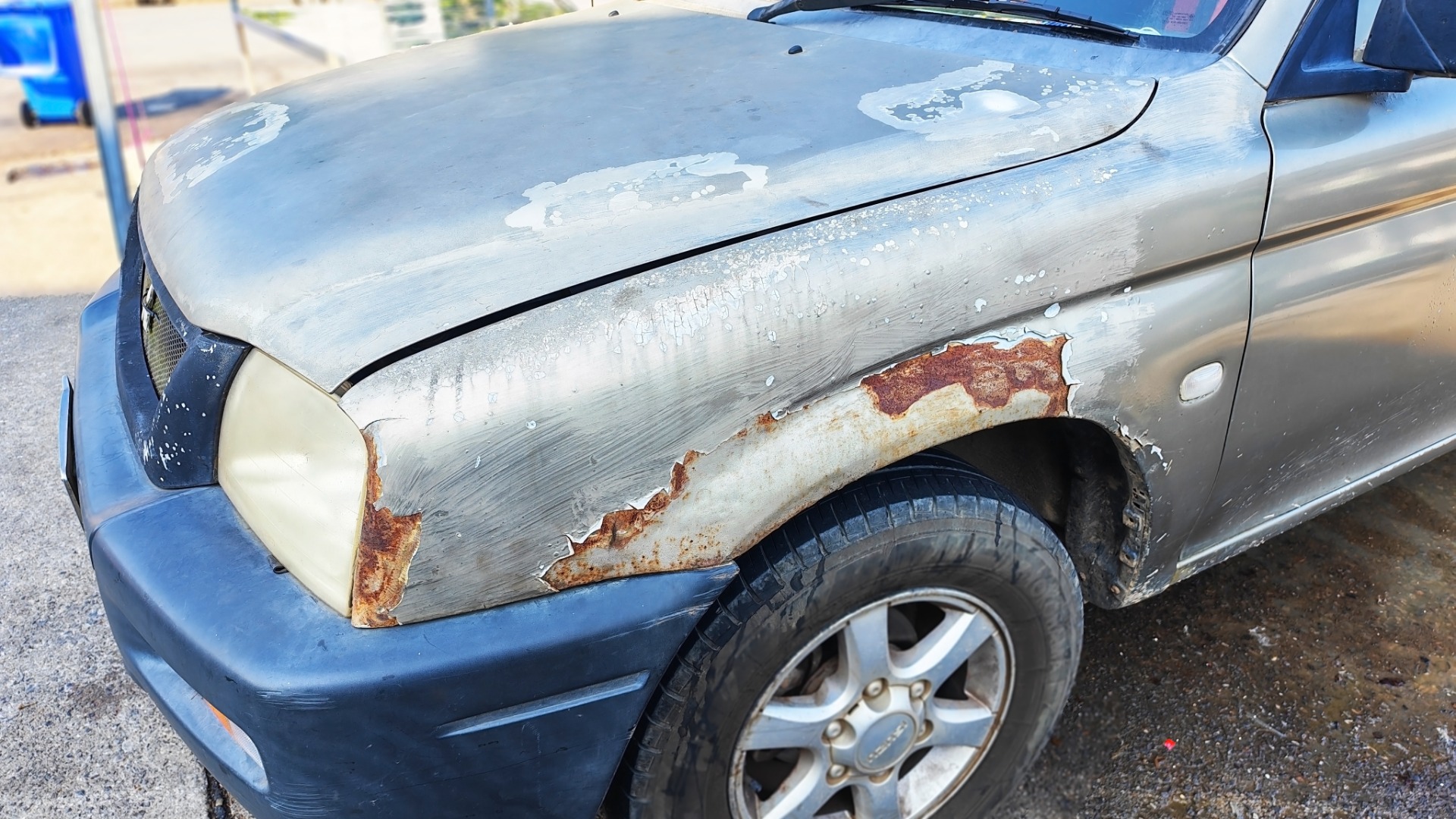
Your car’s paint does more than look good in a parking lot. It tells a story about how well you care for your vehicle and how it holds up over time.
That glossy finish can quickly lose its appeal as dullness and fading creep in. Understanding the common causes of dull, faded car paint helps you protect your investment and keep your car looking sharp.
Sunlight: The Silent Paint Thief
Sunlight does more than brighten your drive. It slowly breaks down your car’s clear coat and underlying paint layers. Ultraviolet rays strip away oils and pigments that keep color rich and vibrant. Over time, your once-glossy finish starts to look chalky and dull.
Cars that spend long hours parked outside face the biggest risk. Direct exposure accelerates fading, especially in darker colors. Red, black, and blue paints often show damage faster than lighter shades. Parking in shade or using a cover can make a noticeable difference.
Oxidation: When Paint Starts to Age
Oxidation occurs when oxygen interacts with your car’s paint surface. This reaction weakens the protective clear coat and creates a faded, powdery appearance. You may notice a rough texture or uneven color across panels. That dull look signals that the paint has started to degrade.
Older vehicles often show oxidation more clearly. Without regular care, the damage spreads and deepens over time. Drivers sometimes mistake oxidation for dirt or grime. A quick wash will not fix it, which makes proper maintenance even more important.
Road Debris and Everyday Wear
Every drive exposes your car to small but constant impacts. Dust, sand, and tiny rocks hit your paint, creating micro-abrasions. These scratches scatter light rather than reflect it cleanly, making the finish appear dull. Over time, the damage builds into a noticeable loss of shine.
Highway driving increases this effect. Vehicles traveling at speed kick up debris that strikes your car’s surface. Even routine errands contribute to gradual wear. Regular washing helps remove abrasive particles before they cause long-term harm.
Improper Washing Techniques
Washing your car sounds simple, but poor technique can do more harm than good. Using dirty sponges or rough brushes grinds debris into the paint. This action creates swirl marks that dull the finish. Even automatic car washes can leave behind fine scratches.
Many people rush through the process. They skip rinsing steps or use harsh detergents. These habits strip protective layers and expose paint to damage. Gentle washing methods and proper tools help preserve that fresh, glossy look.
Harsh Chemicals and Cleaners
Not all cleaning products treat your car kindly. Some household cleaners contain strong chemicals that damage paint surfaces. These products can strip wax, weaken the clear coat, and cause fading. Over time, repeated exposure leads to a tired and lifeless finish.
Drivers often reach for convenience instead of safety. They grab whatever cleaner sits nearby without checking labels. Automotive-specific products offer better protection and consistent results. Choosing the right cleaner can significantly extend the life of your paint.
Environmental Contaminants
Your car faces more than just dirt on the road. Tree sap, bird droppings, and industrial fallout stick to the surface and eat into the paint. These contaminants contain acidic or sticky substances that cause staining and fading. If left untreated, they can leave permanent marks.
Urban environments add another layer of risk. Air pollution and airborne particles settle on your car daily. These substances may look harmless at first glance. Over time, they contribute to dullness and surface damage that becomes harder to reverse.
Weather Extremes and Seasonal Damage
Weather plays a major role in how your paint ages. Intense heat expands materials and weakens protective layers. Cold temperatures can cause contraction and stress within the paint structure. This constant expansion and contraction lead to cracks and fading.
Rain and snow also bring hidden threats. Water often carries contaminants that settle into the paint. Road salt in the winter months accelerates wear and corrosion. Seasonal changes demand consistent care to keep your car looking its best.
Poor Storage Habits
Where you park your car matters more than you might think. Leaving a vehicle outdoors for long periods exposes it to constant environmental stress. Sun, rain, and contaminants work together to degrade the paint. Over time, this exposure leads to visible fading.
Garages and covered areas provide valuable protection. Even partial shade can significantly reduce damage. Drivers who invest in better storage often notice longer-lasting paint quality. Small changes in parking habits can yield big visual results.
Signs Your Paint Needs Attention
Dull and faded paint rarely appears overnight. It develops gradually through repeated exposure and neglect. Recognizing early warning signs can help you act before damage worsens. Look for subtle changes in color, texture, and shine.
Here are a few signs that your paint needs attention:
- Loss of gloss or shine after washing
- Chalky or powdery residue on the surface
- Uneven color across different panels
- Fine scratches or swirl marks in sunlight
- Stains that do not come off with basic cleaning
Addressing these signs early can prevent more expensive repairs later. A proactive approach keeps your car looking newer for longer.
The Role of Maintenance in Paint Health
Regular maintenance makes a noticeable difference in paint longevity. Simple habits like washing, drying, and waxing protect the surface. These steps remove harmful contaminants before they cause damage. Consistency matters more than intensity when it comes to care.
Drivers often underestimate the value of routine upkeep. Skipping maintenance allows small issues to grow into larger problems. A well-maintained car not only looks better but also holds its value. That extra effort pays off over time.
Why Professional Care Makes a Difference
Sometimes, basic care cannot reverse existing damage. That’s where professional services step in. Experts use specialized tools and techniques to restore clarity and depth. Their work can bring faded paint back to life.
Many car owners overlook how paint correction services improve their car’s value. A refreshed exterior creates a strong first impression for buyers. It also signals that the vehicle has received proper care. Investing in professional restoration often leads to better resale outcomes.
Keeping Your Paint Vibrant
Dull and faded car paint is not caused by an accident. It results from a combination of environmental factors, daily habits, and missed maintenance. Understanding these causes helps you take control of your car’s appearance. With the right approach, you can keep that showroom shine longer than expected.
Small changes make a big difference over time. Better washing habits and consistent protection all add up. Your car reflects your attention to detail every time you hit the road. Keeping the paint vibrant ensures it always makes the right impression.