


Choosing the Right Community Spot to Grow Your Small Business
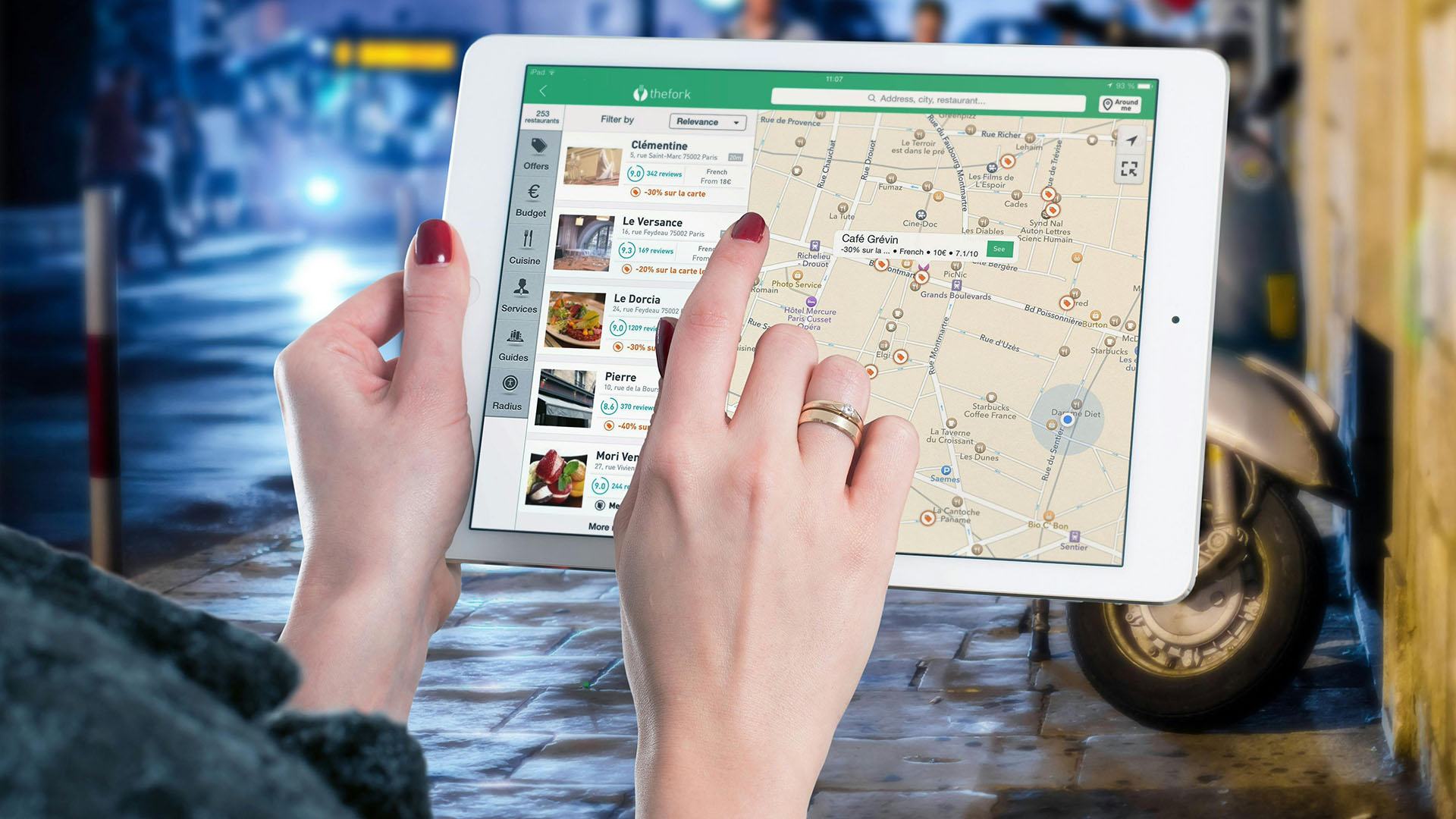
courtesy photo
For local small business owners, business location selection can feel like a high-stakes bet: the space looks perfect, yet sales stay inconsistent. The hardest part is that many owners judge a “good spot” by rent, aesthetics, or gut feel while missing the everyday realities of community demographics and customer foot traffic. Without a quick local market analysis, it’s easy to end up visible to passersby who were never the right customers, or hidden from the people most likely to buy. A clear location decision turns uncertainty into momentum.
Quick Location Checklist
• Identify your ideal customer base and choose areas where they already spend time.
• Evaluate accessibility with parking, public transit, walkability, and overall convenience.
• Analyze competitors nearby to confirm demand and define how you will stand out.
• Compare total location costs against realistic revenue potential to protect profitability.
• Confirm zoning regulations and permitted uses before committing to any space.
Understanding Real-World Location Constraints
A “great location” is not a vibe. It is the overlap between who your customers are, how crowded your category is, how easily people can reach you, and what rules let you operate there. Zoning laws limit what activities can happen on specific land, so some addresses are non-starters.
This matters because the wrong neighborhood can drain your budget before you build momentum. When you use a simple startup readiness checklist, you stop guessing and start filtering. You validate demand, map competitors, and narrow to the few areas that match your offer.
Picture a kids tutoring studio. Families live nearby, parking is easy, and transit helps teens arrive alone, but a noisy retail strip may compete hard and zoning may block classes. The “best” spot becomes the one your plan can actually support. With viable neighborhoods clear, matching your site choice to an LLC structure becomes a smarter risk and lease decision.
Choose a Business Structure That Protects Your Location Plans
Once you understand the real-world limits of where you can operate, match your location plans with a business structure that can support them. As you weigh your options, think about how your structure affects risk, lease agreements, and the credibility your business brings to a new space. Forming an LLC can add liability protection and help you look more established when you’re negotiating or opening doors. And you don’t necessarily need hefty lawyer fees to get set up, you can file yourself or use a formation service like ZenBusiness. With your structure decided, you’ll be ready to score potential sites with a clear, practical method.
Evaluate and Compare Locations With a Simple Scorecard
Your structure is set, so it’s time to judge potential addresses with a repeatable system. This process helps you move from “I have a hunch” to “I have a score,” so you can choose a spot that fits your budget, your visibility, and your day-to-day reality.
• Set your must-haves and deal-breakers
Start with what your business cannot compromise on, like parking needs, delivery access, safety, operating hours, or zoning fit. Give each item a simple weight (high, medium, low) so you do not get distracted by a pretty space that fails the basics. This kind of diligent project preparation keeps your evaluation focused and fair.
• Do a site visit with a checklist, twice
Visit each address at two different times (weekday and weekend, or morning and evening) and write notes in the same order every time. Check what a customer experiences first: signage visibility, ease of entry, lighting, noise, cleanliness, and the path from curb to counter. Taking consistent notes makes your comparisons sharper and helps you spot patterns you would otherwise forget.
• Score visibility and “found-ability”
Rate how easy it is for someone to notice you and reach you, including line-of-sight from the road, foot traffic, nearby anchors (grocery, gyms, offices), and whether the area feels intuitive to navigate. Add a quick online check: does your phone map app place the address correctly, and do nearby businesses look active and well-reviewed. Visibility is not vanity, it is how your future customers reduce effort.
• Run a simple cost-benefit snapshot
List monthly costs (rent, utilities estimates, insurance, common area fees, parking fees) beside the benefits you can reasonably expect (higher walk-ins, faster delivery times, better staffing access). A cost-benefit analysis helps you make objective choices by comparing consequences instead of relying on gut feel. Keep it simple: if you cannot explain the trade-off in one minute, you need clearer numbers.
• Get quick local signals before you commit
Talk to two or three neighbors, like nearby owners, staff, or even regular customers in the area, and ask what the street is like during busy and slow seasons. Then call the property manager with your top questions in writing, especially about maintenance response times, signage rules, and any restrictions that could limit operations. These small conversations often reveal hidden friction before it becomes an expensive surprise.
Location-Choice Questions Owners Ask Most
Q: What permits or licenses should I confirm before committing to a space?
A: Start with zoning compatibility, a certificate of occupancy, signage approval, health permits (if applicable), and fire inspection requirements. Your fastest next step is calling the city or county licensing office and asking for a written checklist tied to that address. The SBDC reminder to check business permits helps you treat compliance like a non-negotiable, not a last-minute scramble.
Q: How can I tell if “good traffic” will actually become customers?
A: Count people and cars in 15-minute blocks at different times and note who they are, not just how many. Then test intent by watching where they park, where they walk from, and whether nearby businesses match your buyer.
Q: How do I estimate workforce availability near a location?
A: Track commuting ease, transit stops, and nearby employers that might compete for the same talent. Post a “now hiring” ad early and measure applicant volume by ZIP code to see if the labor pool is real.
Q: What hidden costs often surprise owners after opening?
A: Common surprises include HVAC repairs, trash and grease fees, CAM charges, after-hours security, and required accessibility upgrades. Ask for the last 12 months of utility bills and a full fee schedule in writing before you agree to terms.
Q: When should I worry about competitors nearby?
A: Worry when they own the customer habit you need most, like morning rush or weekly repeat visits. Keep your analysis fresh because a competitor review is an ongoing process that shifts as pricing, staffing, and trends change.
Choose a Location That Strengthens Your Business for Years
Choosing where to plant your business can feel like a high-stakes bet, especially when permits, foot traffic, and staffing realities are still shifting. The steadier path is an informed location decision grounded in strategic site selection, balancing brand fit, customer access, operational needs, and risk so the space supports the work, not the other way around. When that lens guides the choice, day-to-day decisions get simpler and long-term business growth becomes more predictable. A smart location choice is less about luck and more about alignment. Pick one finalist and schedule a focused walk-through this week to confirm it matches your non-negotiables and your launch timeline. That kind of clarity builds entrepreneurial confidence and business launch readiness, creating a foundation resilient enough to grow with you.
Photo via Pexels