


9 Ways To Thrive at Your First Trade Show
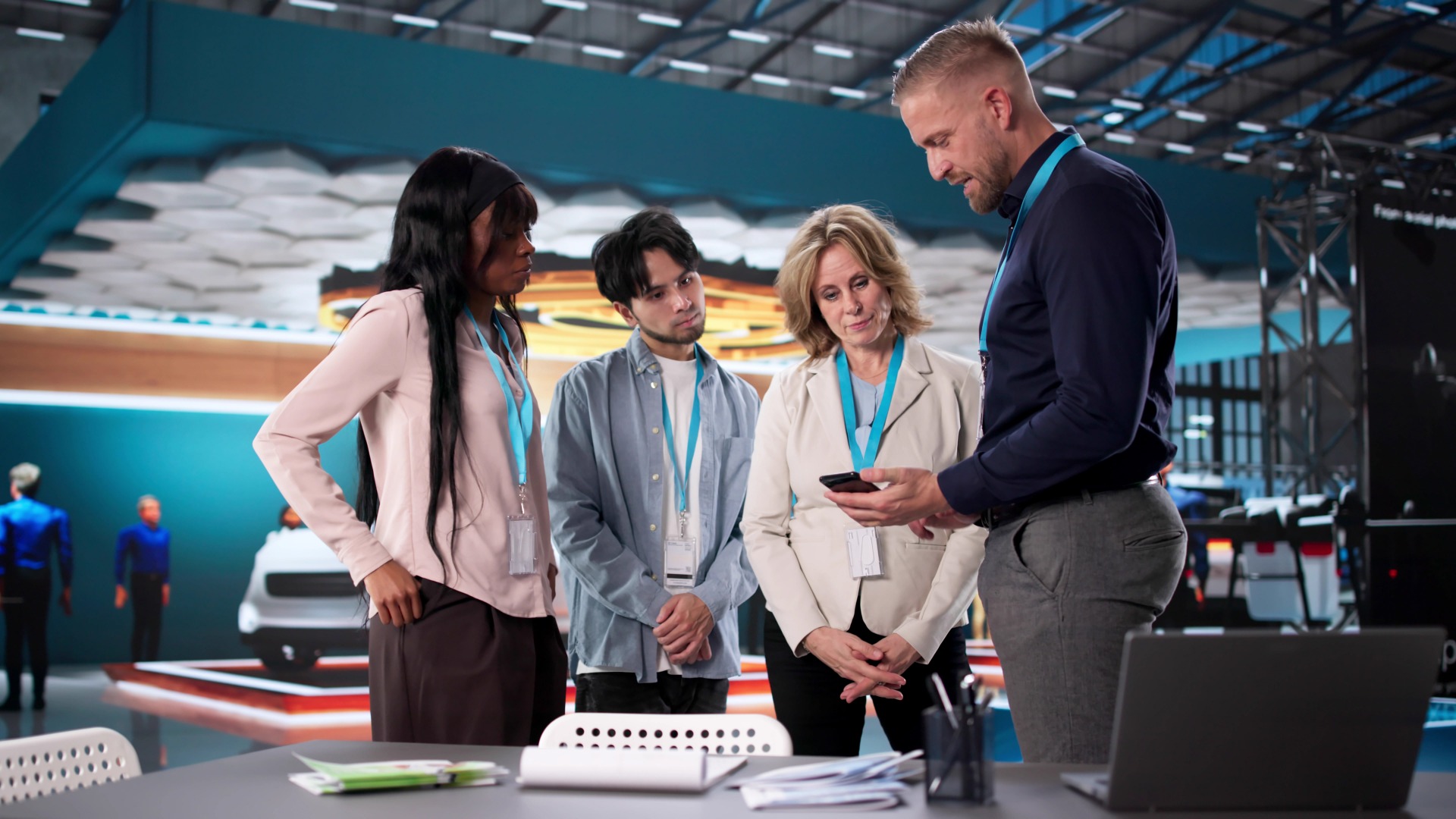
Walking into your first trade show can feel a bit like stepping into a small city built overnight. Booths buzz with activity, banners compete for attention, and every exhibitor hopes to stand out. The good news is that success at your first event does not require a massive budget or years of experience. It comes down to preparation, clarity, and a willingness to engage.
Whether the event takes place locally or draws a regional crowd, these first trade show tips will help you learn how to thrive at your next marketing event.
Start with a Clear Goal
Before you print a single banner or pack your supplies, decide what success looks like for your business. A trade show can serve many purposes, but trying to accomplish everything at once often leads to mixed results. A focused goal provides direction for your messaging, setup, and conversations throughout the event.
Think about what matters most for your business right now. You might want to collect leads, introduce a new product, or simply build awareness in your community. Once you choose a priority, align every part of your booth and your approach with that outcome.
Design a Booth That Invites People In
People make quick decisions as they walk by, so your booth design needs to communicate clearly immediately. Layout, spacing, and visual hierarchy all play a role in whether someone pauses or keeps moving. Instead of overcrowding your booth with visuals, focus on one strong message supported by clean graphics and intentional placement. Keep sightlines open, position key elements at eye level, and make sure your main value is easy to understand within a few seconds.
For example, understanding the different backlit display options helps you decide what's best. For example, an LED lightbox display frame can create a clean, polished look that draws attention without overwhelming the space. Likewise, choosing the right brightness level and color temperature ensures your graphics remain easy to read and visually comfortable in a busy, well-lit trade show environment.
Train Your Team to Engage Visitors
A great booth can fall flat if the people inside it do not connect with visitors. Standing behind a table and waiting rarely works. Instead, treat the space as a place for conversation. A simple greeting and a friendly question can make a big difference in whether someone stops or keeps walking.
Encourage your team to stay present and approachable by making eye contact, putting phones away, and being ready to listen. Focus on starting natural conversations rather than delivering rehearsed pitches; ask what brought them to the event, what they’ve seen so far, or what challenges they’re currently trying to solve. When people feel comfortable, they are more likely to ask questions, share their needs, and remember your business after the event ends.
Offer Something Worth Stopping For
People attend trade shows to explore, learn, and discover something new. Give them a reason to pause at your booth rather than walk past. The best approach is to offer something that directly connects to what you do, rather than handing out random items.
Here are a few simple ways to create that moment of interest:
- A short, hands-on demo that shows your product in action
- A sample or preview that lets people experience your service
- A small, useful giveaway tied to your brand
- An interactive activity that invites participation
When your offer feels relevant and engaging, visitors are more likely to remember the interaction and connect it back to your business.
Keep Your Message Simple and Clear
Trade show environments move quickly, and attention spans are short. You often have less than a minute to explain what you do. That makes clarity one of your most valuable tools. If your message is confusing or too detailed, people may lose interest before you finish.
Focus on explaining the problem you solve and who you help. Use plain language that anyone can understand, even if your work is technical. Practice a short explanation that feels natural in conversation. When your message is easy to follow, visitors can quickly decide whether to learn more, leading to better, more meaningful interactions.
Collect Contacts with Purpose
Meeting people is only part of the value of a trade show. What happens afterward often matters more, since that is where conversations turn into real opportunities. Make it easy for visitors to share their contact information, but also give them a clear reason to do so. When people understand what they will gain, they are far more willing to stay connected.
Simple tools like a sign-up sheet, a tablet form, or even a quick exchange of business cards can work well when paired with a clear explanation of what comes next. Let people know whether they can expect updates, useful resources, or follow-up information related to your conversation. After the event, reach out within a few days with a short, thoughtful message that reminds them who you are and continues the connection naturally.
Learn How To Make Quick Wins
Sometimes the simplest actions make the biggest difference. Focus on a few key habits that keep you prepared and engaged throughout the event:
- Arrive early so you can set up without feeling rushed
- Test your booth setup, lighting, and materials before attendees arrive
- Stay approachable with a smile and open body language
- Write down feedback and ideas during the event
- Follow up with new contacts within a few days
Consistent attention to these habits helps create a smoother experience, stronger interactions, and better results from the very first show.
Adjust as You Go
A major part of knowing how to thrive at your next trade show comes down to how you respond to results over time. Pay attention to how people respond to your booth, your message, and your team’s approach. Small observations can lead to big improvements at your next event.
Take notes during and after the show. Notice which questions come up often and which parts of your display attract the most attention. Talk to other exhibitors when possible, especially in regional events where people often share advice. Each experience builds your confidence and helps you refine your strategy over time.
Make It an Experience, Not Just a Booth
The most successful exhibitors think beyond signage and table space. They focus on how their booth feels to the people who step into it. A thoughtful setup, a friendly tone, and a clear sense of purpose can turn a quick stop into a meaningful interaction. Even small details, like how you greet someone or how your space flows, can shape that experience in a lasting way.
Creating that experience does not require a large budget. It comes from intention. Consider how visitors move through your space, what catches their attention, and what makes them comfortable enough to stay a little longer. When visitors feel comfortable and leave with a clear understanding, your booth is more likely to stick with them.