


Is Your Workshop Waste Harming the Environment?
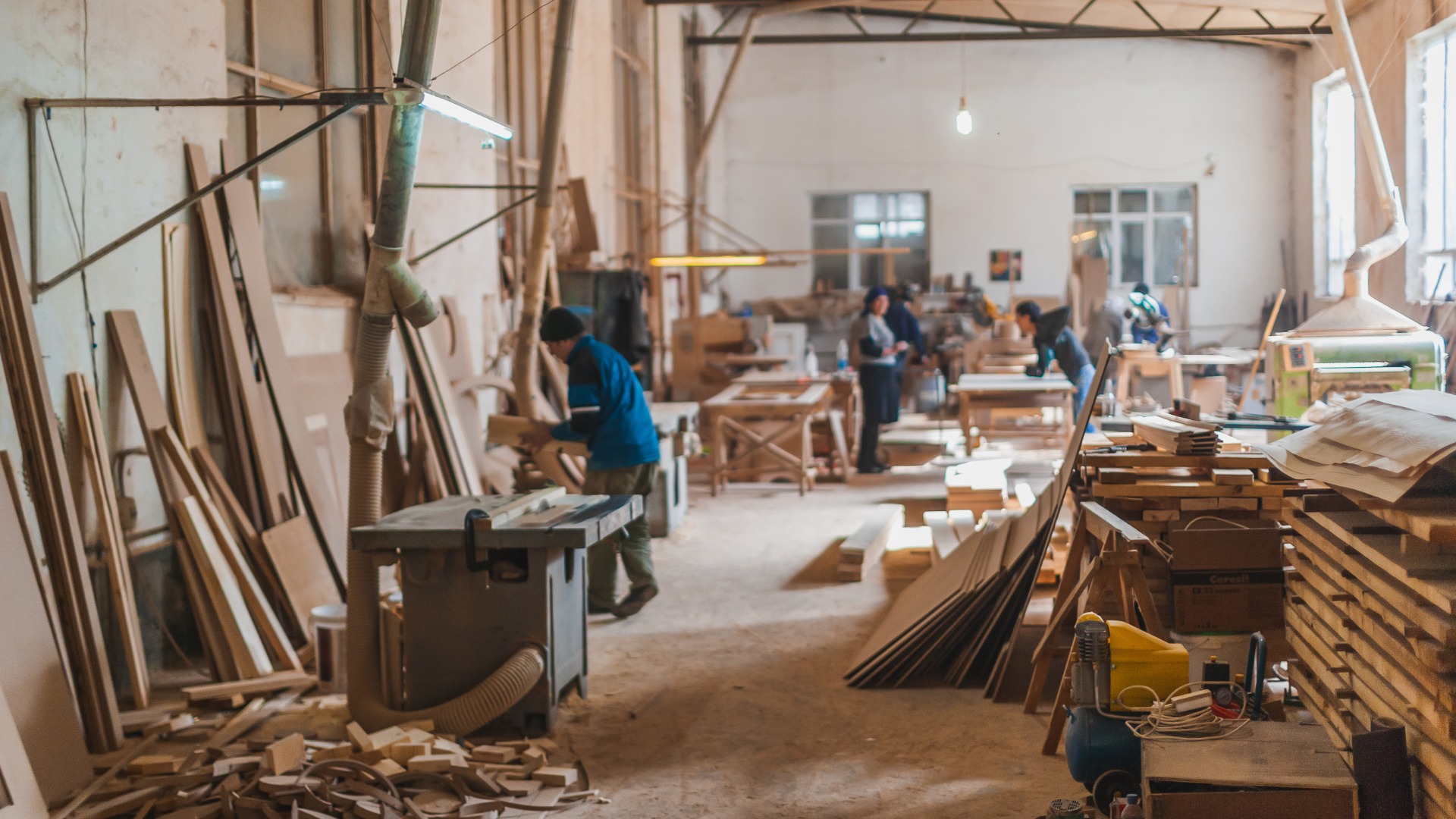
Wood shavings on the floor. The scent of fresh stain in the air. A stack of offcuts beside your bench. Your workshop feels productive, creative, and hands-on. However, one question deserves attention: Is the waste from your workshop harming the environment?
Every project produces leftovers. Sawdust collects under tools. Empty finish cans stack near the wall. Small scrap pieces pile up after precise cuts. While these byproducts seem minor, they do not disappear once you sweep them away. They move into air systems, landfill sites, and water pathways where they continue to influence environmental health.
If you enjoy crafting, building furniture, or tackling weekend DIY projects, your habits matter. Understanding where workshop waste goes helps you reduce environmental impact without sacrificing creativity.
Air Quality: The Part You Cannot See
Fine dust is one of the most overlooked hazards in a workshop. Power sanders, table saws, and routers emit tiny particles that remain suspended in the air long after the tools are turned off. While larger wood chips settle on the floor, fine dust continues to circulate and disperse. Health authorities label wood dust as a carcinogen because long-term inhalation can raise the risk of nasal and sinus cancers.
The National Cancer Institute and occupational safety agencies are still researching its impact on workers with regular exposure. Even hobbyists working a few hours a week may face cumulative risks. Additionally, dust particles can escape beyond your workspace if your ventilation system vents unfiltered air outside, spreading into nearby neighborhoods and natural areas.
Wind carries these particles across soil and plant life. Proper dust collection systems and regular filter replacements are essential in containing these airborne hazards.
Chemical Fumes and Indoor Pollution
Paints, stains, sealers, and adhesives improve durability and appearance. However, many contain volatile organic compounds. The Environmental Protection Agency explains that VOCs contribute to the formation of ground-level ozone and smog. Indoors, these compounds irritate eyes and respiratory systems.
Application methods matter. Brushing, spraying, and cleaning with solvents release vapors that accumulate quickly in enclosed garages and basements. Without airflow management, those fumes remain concentrated around your workspace.
Choosing water-based finishes and low-VOC products reduces emissions at the source. Storing containers tightly sealed also prevents unnecessary vapor release between projects. Small purchasing decisions influence long-term air quality outcomes.
The Journey Beyond Your Trash Bin
Once waste leaves your curb, its environmental story continues. Landfills create low-oxygen environments that change how organic materials break down. Untreated wood decomposes anaerobically and releases methane, a greenhouse gas that traps heat more effectively than carbon dioxide. The Environmental Protection Agency tracks landfill methane as a measurable contributor to climate change.
Treated lumber and engineering boards introduce additional challenges. Adhesives, preservatives, and bonding resins do not decompose safely under landfill conditions. When moisture moves through waste layers, it can transport chemical residues into surrounding soil and groundwater systems.
Understanding this lifecycle helps you see why disposal decisions inside your workshop extend beyond your property.
The Waste You Might Be Overlooking
Some workshop materials create more environmental pressure than others. Paying attention to what leaves your bench helps you reduce risk before it spreads beyond your workspace. Watch for these common sources:
- Fine sawdust from sanding and cutting
- Leftover paints, stains, and sealers
- Adhesives and chemical cleaners
- Treated lumber and composite boards
- Scrap wood sent to landfills
Properly sorting waste and using local recycling or hazardous waste programs helps reduce environmental strain over time.
Water Systems and Hidden Contamination
Liquid waste poses risks that many DIYers underestimate. Pouring leftover stain or solvent into drains allows chemicals to enter wastewater systems. Treatment plants remove many contaminants, yet some compounds persist and travel into rivers and lakes.
Storm drains create another pathway. If spills reach driveways or outdoor surfaces, rainwater carries residues directly into local waterways without treatment. Even small amounts of chemical runoff accumulate over time.
You reduce that risk by wiping excess products before disposal, sealing containers tightly, and delivering hazardous liquids to designated collection centers. Many municipalities publish disposal guidelines through environmental services departments, making responsible handling easier than it may seem.
Smarter Systems for Hobbyists and Makers
You don't need industrial equipment to lessen your environmental impact, just consistent habits. Start with containment: install a dust collection system suited to your shop size, regularly clean filters, and inspect ductwork to capture particles before they circulate. Organize waste by separating untreated wood from treated or engineered materials, and store liquids in labeled containers. Check local recycling options before your next cleanup.
For larger projects or ongoing production, implement a structured waste-disposal system similar to those used in professional or DIY cabinetmaking shops. Emphasize sorting, containment, and the safe disposal of hazardous materials, which is beneficial even for small shops. Reuse materials whenever possible: repurpose offcuts for smaller projects, share scrap locally, or compost untreated shavings as mulch if allowed. Creative reuse helps reduce landfill waste and promotes more efficient use of materials.
Why Local Regulations Should Matter to You
Environmental responsibility also intersects with local regulations. Many municipalities classify certain workshop materials as hazardous waste, including oil-based finishes, solvents, and treated lumber. Disposing of these items improperly can result in fines or restricted collection services.
Even if enforcement feels distant, local compliance frameworks exist to protect public health and shared resources. When you follow disposal guidelines, you reduce strain on waste management systems and support safer community standards. Checking your city or county environmental services website takes minutes and gives you clear directions on how to handle specific materials.
Asking the Question That Matters
Creative work brings satisfaction and independence. However, craftsmanship carries responsibility. Ask yourself again: Is the waste from your workshop harming the environment?
You control how you manage dust, choose finishes, and discard scrap. You decide whether materials head to recycling programs or landfills. Each decision influences air quality, greenhouse gas emissions, and water systems.
Environmental impact does not require massive industrial operations. It grows from small, repeated actions. The good news is that improvement works the same way.
Build Projects Without Building Pollution
Crafting does not require environmental compromise. When you capture dust, select lower-emission products, and dispose of materials responsibly, you align your hobby with sustainable practices.
Your workshop can remain a place of creativity, productivity, and hands-on satisfaction. Thoughtful waste management allows it to operate with awareness rather than unintended impact. Cleaner air, safer soil, and protected waterways begin with informed choices inside your creative space.