


Why Land Conservation Matters for Future Generations
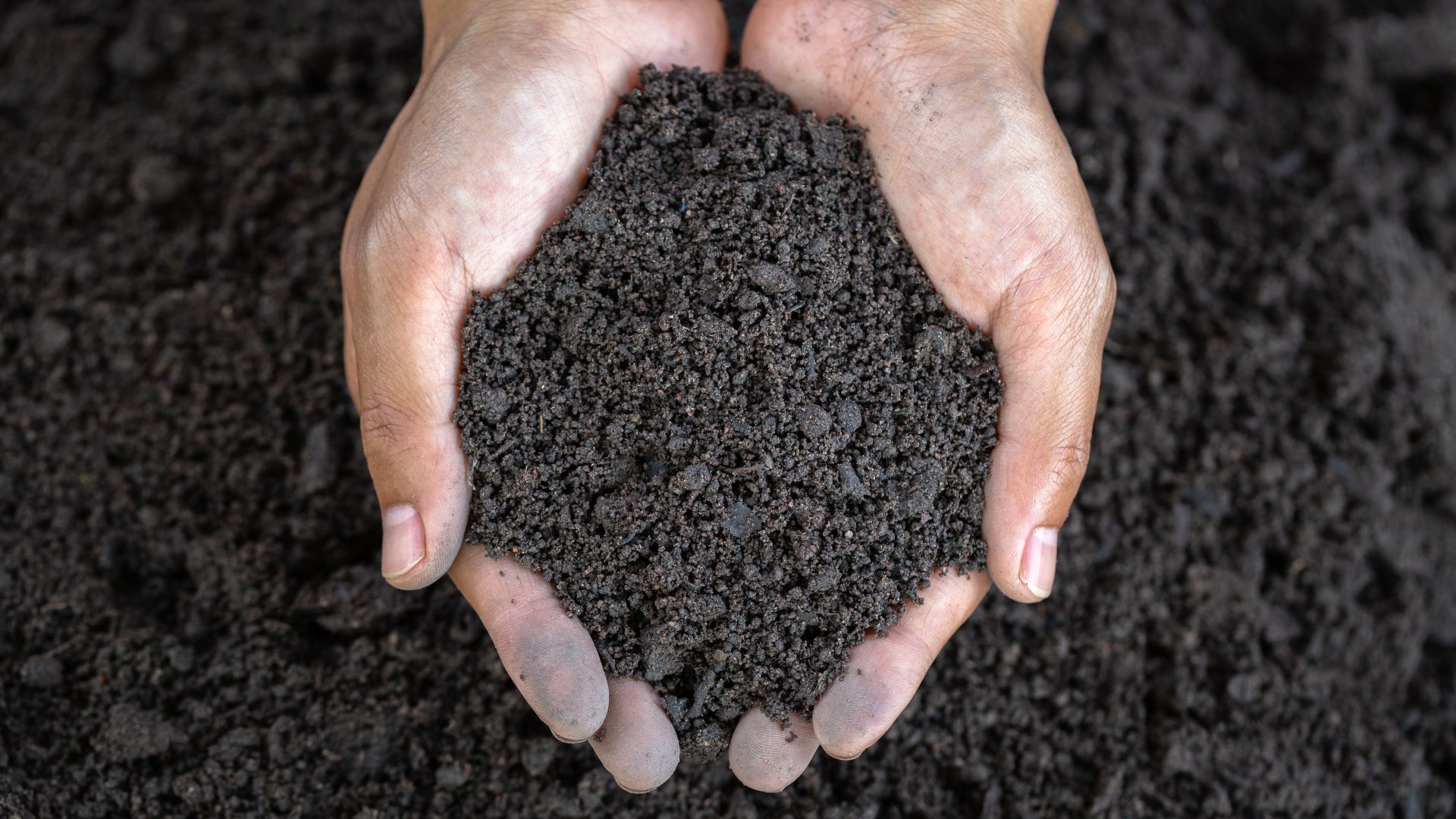
Owning land is a unique privilege. Whether you look out over a working farm, a stretch of timber, or a quiet rural retreat, you know that your property is more than just a financial asset on a spreadsheet. It is a legacy. But ensuring that legacy survives for future generations requires active stewardship today. Land conservation isn’t just a task for national parks; it often starts right at your fence line.
Preserving Biodiversity
Healthy land relies on variety. When you protect natural habitats on your property, you aren’t just helping rare or endangered species; you are supporting the complex ecosystems that keep your land functional. Biodiversity is the engine that keeps nature running smoothly, from the native bees that pollinate crops to the birds and insects that naturally control pests. By maintaining these habitats, you ensure the land remains vibrant and self-sustaining.
Combating Climate Change
Your property acts as a natural buffer against a shifting climate. Forests, wetlands, and grasslands are incredible sponges, soaking up carbon dioxide from the atmosphere through sequestration. By maintaining natural cover and preventing unnecessary deforestation, landowners play a direct, hands-on role in mitigating global warming. This stewardship helps stabilize local weather patterns and protects the environment for the long haul.
Ensuring Sustainable Resources
Another reason why land conservation matters for future generations is that they’ll need clean water and fertile soil just as much as we do today. These practices are essential for preventing soil erosion and filtering groundwater, ensuring that the land remains productive for farming or living. It is about finding a balance between necessary development and the need to keep the soil rich and the water pure. Protecting these resources now guarantees food security and clean water availability for those who come next.
Cultural and Historical Preservation
Every acre has a history. Many rural properties hold cultural, spiritual, or historical significance, connecting us to the past. Conserving these distinct areas ensures that the stories and heritage embedded in the landscape aren’t lost to pavement or subdivision. It allows future generations to walk the same ground and understand their roots, keeping history alive in a tangible way.
Maintaining and Enhancing Land Value
There is a practical economic upside to stewardship, too. Conserved lands often see a boost in property value, as they improve many of the factors that affect agricultural property valuation. Plus, this not only helps your specific lot but the surrounding community as well. Natural beauty, privacy, and recreational potential are commodities in high demand. Furthermore, preserving the ecological integrity of your land protects it from the costly effects of environmental degradation, securing its financial worth for decades to come.