


Why Does My Home Feel So Boring: Design Tips to Inspire
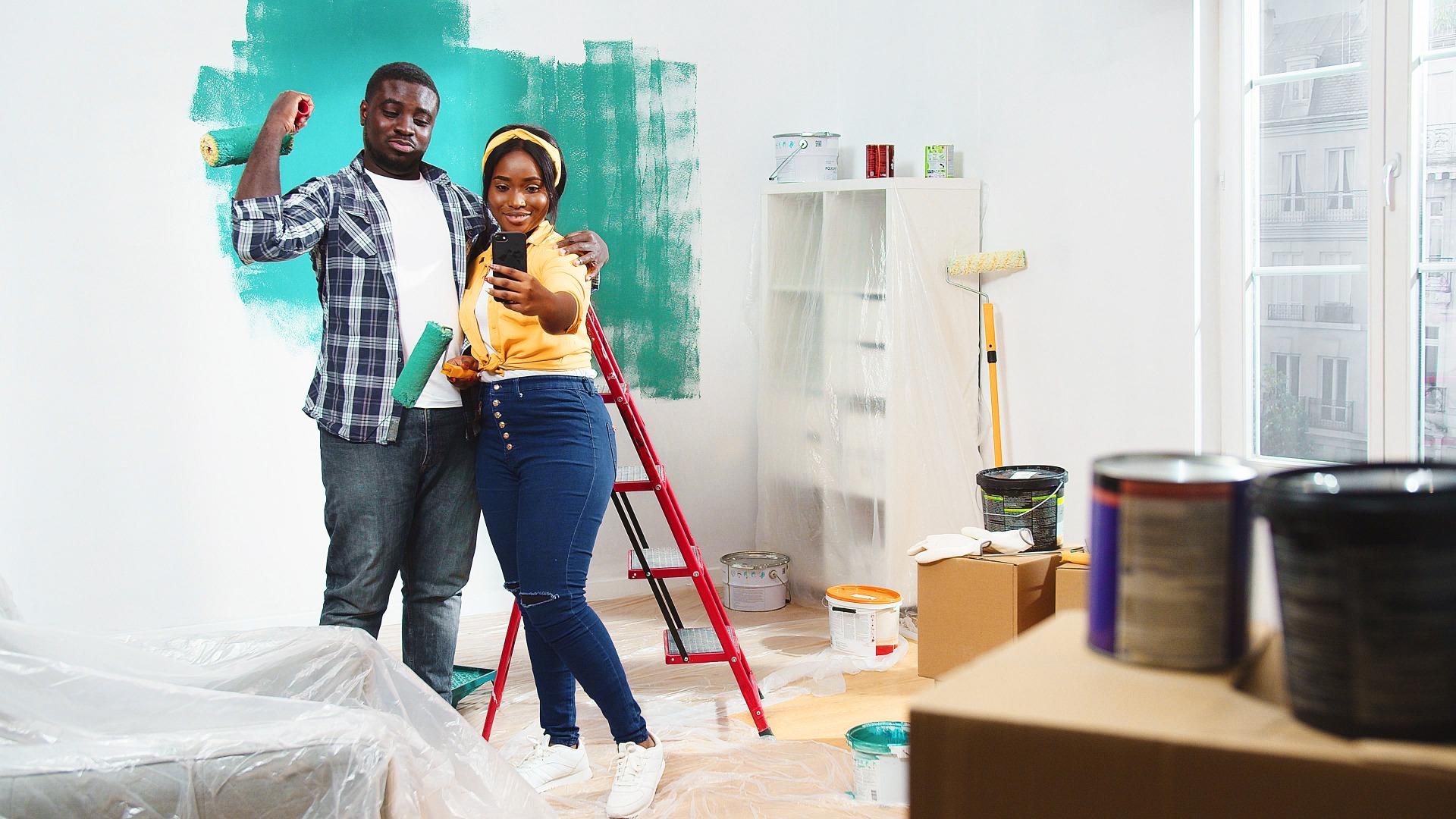
You walk into your home and something feels off. It’s clean. It’s organized. It’s functional. But it lacks energy, personality, and warmth. If you’ve ever looked around and thought, “Why does my home feel so boring?” you’re not alone, and there are design tips to inspire a more interesting aesthetic.
A boring home rarely comes down to one dramatic flaw. Instead, it’s often the result of safe choices, muted palettes, and spaces that don’t reflect the people who live in them. The good news is that you don’t need a full remodel to breathe life back into your space. With a few intentional design shifts, you can transform a flat, uninspired home into one that feels layered, dynamic, and personal.
Too Much Beige, Not Enough Personality
Neutral colors are timeless and versatile, but when everything in your home falls into the same beige, gray, or white spectrum, the result can feel lifeless. A monotone color scheme without contrast or variation creates a space that blends together rather than stands out.
Adding personality to your home design often starts with introducing depth through color. This doesn’t mean painting every wall a bold shade. It can be as simple as incorporating richer accent tones through textiles, artwork, or statement furniture. Deep blues, earthy greens, warm terracotta, or even soft blush tones can instantly energize a room. Contrast is what gives a space dimension, and dimension is what makes a home feel interesting.
If you prefer neutrals, consider layering them thoughtfully. Mix warm and cool undertones, incorporate varied textures, and use darker shades to ground the space. A home that feels dynamic almost always has contrast working behind the scenes.
Lack of Texture and Layers
One of the most common reasons a home feels boring is that it lacks texture. Smooth surfaces, minimal variation in materials, and flat finishes can create a sterile environment. Texture is what makes a room feel rich and inviting.
Think about layering materials in every room. Pair a sleek leather sofa with a soft woven throw. Add a plush area rug over hardwood floors. Introduce natural materials like wood, stone, rattan, or linen to balance out metal and glass elements. When light hits different textures, it creates subtle shadows and highlights that bring the room to life.
Window treatments can also add dimension. Instead of leaving windows bare or relying solely on basic blinds, incorporate curtains that soften the space. Even small details like textured lampshades or patterned pillows can dramatically shift the mood of a room.
Empty Walls and Missed Opportunities
Blank walls are one of the biggest contributors to a boring home. While minimalism has its place, too much empty space can make a room feel unfinished.
Art is one of the easiest ways to inject personality. Choose pieces that resonate with you emotionally rather than simply matching your color scheme. Large-scale artwork can make a bold statement, while a curated gallery wall adds depth and visual intrigue.
Mirrors are another powerful tool. They reflect light, make rooms feel larger, and add architectural interest. Even decorative shelving with thoughtfully arranged books and objects can turn a plain wall into a focal point.
Patterned cement tiles can also liven up a space and bring a little more personality to bare, basic walls. Whatever your design tastes may be, knowing how to transform a space with striking tile design can turn your home from boring to exciting almost immediately.
Poor Lighting Choices
Lighting can dramatically influence how your home feels. A single overhead fixture often casts harsh or uneven light, leaving corners in shadow and flattening the room’s character.
Layered lighting creates ambiance and warmth. Combine ambient lighting, such as ceiling fixtures, with task lighting like table lamps and floor lamps. Accent lighting, such as wall sconces or under-cabinet lights, adds depth and highlights architectural features.
Warm light bulbs generally create a cozier atmosphere than cool white bulbs. If your home feels stark or clinical, simply switching to warmer lighting can instantly soften the environment. Thoughtful lighting makes spaces feel intentional rather than accidental.
No Clear Focal Point
Every well-designed room benefits from a focal point. Without one, your eye doesn’t know where to land, and the space can feel scattered or bland.
A focal point could be a fireplace, a bold piece of art, a statement light fixture, or even a beautifully styled bookshelf. Arrange furniture to emphasize this feature rather than pushing everything against the walls. When a room has a clear center of attention, it feels grounded and purposeful.
If your space lacks a natural focal point, create one. A large area rug can anchor a seating area. A dramatic headboard can transform a bedroom. Even a striking piece of furniture can act as the visual centerpiece that pulls everything together.
Clutter or Over-Minimalism
Interestingly, both clutter and excessive minimalism can make a home feel boring. Too much clutter overwhelms the senses and hides the beauty of individual items. On the other hand, stripping everything away can leave a space feeling cold and impersonal.
The key is thoughtful curation. Display items that hold meaning, and remove those that do not serve a purpose or bring joy. Create breathing room around decor so each piece has space to shine. A carefully styled coffee table or console can feel intentional and sophisticated without looking busy.
When every object has a reason for being there, your home feels considered rather than chaotic or empty.
Ignoring Personal Story and Character
A home often feels boring when it lacks personal connection. If your space could belong to anyone, it may not feel truly yours.
Incorporate elements that reflect your life and experiences. Display travel souvenirs in a tasteful way, frame family photos in cohesive frames, showcase hobbies through decor, whether that’s musical instruments, books, or artwork you’ve created.
Architectural details also add character. Consider adding molding, upgrading hardware, or installing unique light fixtures to elevate standard rooms. Even small changes like swapping cabinet handles or updating door knobs can make your home feel more custom.
When your home tells your story, it naturally becomes more engaging.
Rearranging Before Replacing
Before buying anything new, try rearranging what you already have. Sometimes a room feels boring simply because the layout isn’t working. Shift furniture away from walls to create more intimate seating areas. Move art between rooms for a fresh perspective. Repurpose items in unexpected ways.
A new layout can reveal possibilities you hadn’t noticed before. It can also improve flow and function, making your home feel more comfortable and inviting. Design inspiration doesn’t always require spending money. Sometimes it just requires a new point of view.
Bringing Life Into the Space
Nothing revitalizes a home quite like greenery. Plants introduce color, texture, and a sense of vitality that artificial decor cannot replicate. Even low-maintenance options like snake plants, pothos, or succulents can make a noticeable difference.
Natural elements extend beyond plants. Fresh flowers, bowls of fruit, and organic materials like wood and stone add warmth. Nature has a way of softening sharp lines and making spaces feel alive.
If maintaining plants feels daunting, high-quality faux greenery can still add visual interest without the upkeep.
Small Changes, Big Impact
If your home feels boring, remember that transformation doesn’t have to be dramatic. Swapping out throw pillows, painting an accent wall, upgrading light fixtures, or adding layered rugs can significantly shift the atmosphere.
Start with one room and focus on creating balance through color, texture, lighting, and personal touches. Design is rarely about perfection. It’s about intention. When each element serves a purpose and reflects your taste, your home naturally feels more vibrant.
Feeling uninspired by your space is not a permanent condition. With thoughtful adjustments and a willingness to experiment, you can turn a bland interior into a home that feels warm, expressive, and uniquely yours.