


WHY DOES GOD ALLOW FALSE TEACHERS TO DECEIVE SO MANY PEOPLE?
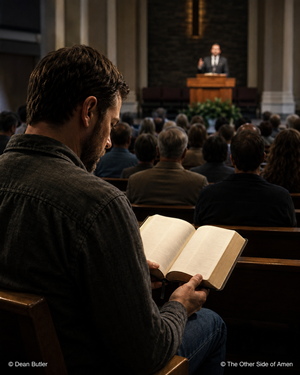
Why does God allow false teachers to deceive so many people? Scripture reveals why people follow lies and how believers can guard themselves with biblical truth.
If God knows that false teachers are leading people astray, why does He allow them to continue? Why does He permit them to fill churches, attract crowds, gather followers, and become wealthy while preaching things that are not true?
Those are fair questions.
The first thing we must understand is that God has not left us without warning. Jesus said, “Many false prophets will arise and will mislead many” (Matthew 24:11). He did not say they might come. He said they would come, and many people would believe them.
False teachers do not usually begin by denying everything in the Bible. If they did, most Christians would recognize them immediately. They use Christian words, quote selected verses, speak about Jesus, and promise blessings. The deception is mixed with enough truth to make the lie sound believable.
But why do so many people follow them?
Often, it is because false teachers tell people what they already want to hear.
Paul warned that a time would come when people “will not endure sound doctrine; but wanting to have their ears tickled, they will accumulate for themselves teachers in accordance with their own desires” (2 Timothy 4:3).
Notice that the people gather these teachers for themselves. The teacher offers them what they want, and they reward him by listening, following, and giving.
Some want to hear that God will make them wealthy. Others want to be told that repentance is unnecessary, obedience is optional, and judgment will never come. Some want miracles, excitement, secret knowledge, or promises of personal greatness.
The false teacher supplies the message, but the willing heart provides a place for it to grow.
Scripture says people are deceived “because they did not receive the love of the truth so as to be saved” (2 Thessalonians 2:10). Their problem is not that God hid the truth from them. Their problem is that they did not love it.
God allows false teachers to operate for a time because He allows people to reveal what they truly desire. Some want truth even when it corrects them. Others want a message that makes them feel good without requiring them to change.
False teaching also tests those who claim to know God. Will we accept something because a preacher is popular, confident, and entertaining? Or will we open the Bible and examine what he says?
The people in Berea were called noble because “they received the word with great eagerness, examining the Scriptures daily to see whether these things were so” (Acts 17:11). They even tested the teaching of the apostle Paul. No preacher today should expect less.
God has given us His Word. He has told us to test every teaching. “Beloved, do not believe every spirit, but test the spirits to see whether they are from God” (1 John 4:1).
The existence of false teachers does not mean God has failed to protect His people. It means many people have failed to use the truth He provided.
False teachers may appear successful now, but their success is temporary. God sees every lie, every person they have used, and every soul they have led away from the truth. Their judgment has not been forgotten.
The real danger is not only that false teachers exist. The greater danger is that so many people prefer their lies to God’s truth.
Do not follow a preacher because he makes you feel good. Do not trust him because he draws a crowd, performs signs, has an impressive title, or claims that God speaks directly through him.
Open your Bible.
Test what he teaches.
Love the truth enough to accept it even when it corrects you.
False teachers will continue to deceive many people. Jesus already warned us. The question is whether we will be among those who are deceived.
________________________________________________________________________
“What I write is not for everyone, but what I write is meant for someone.” – Dean Butler
This work may be shared for ministry or personal use, but please credit the author when doing so. © Dean Butler | The Other Side of Amen | All rights reserved.
