


When a Van Isn’t the Best Mobility Solution
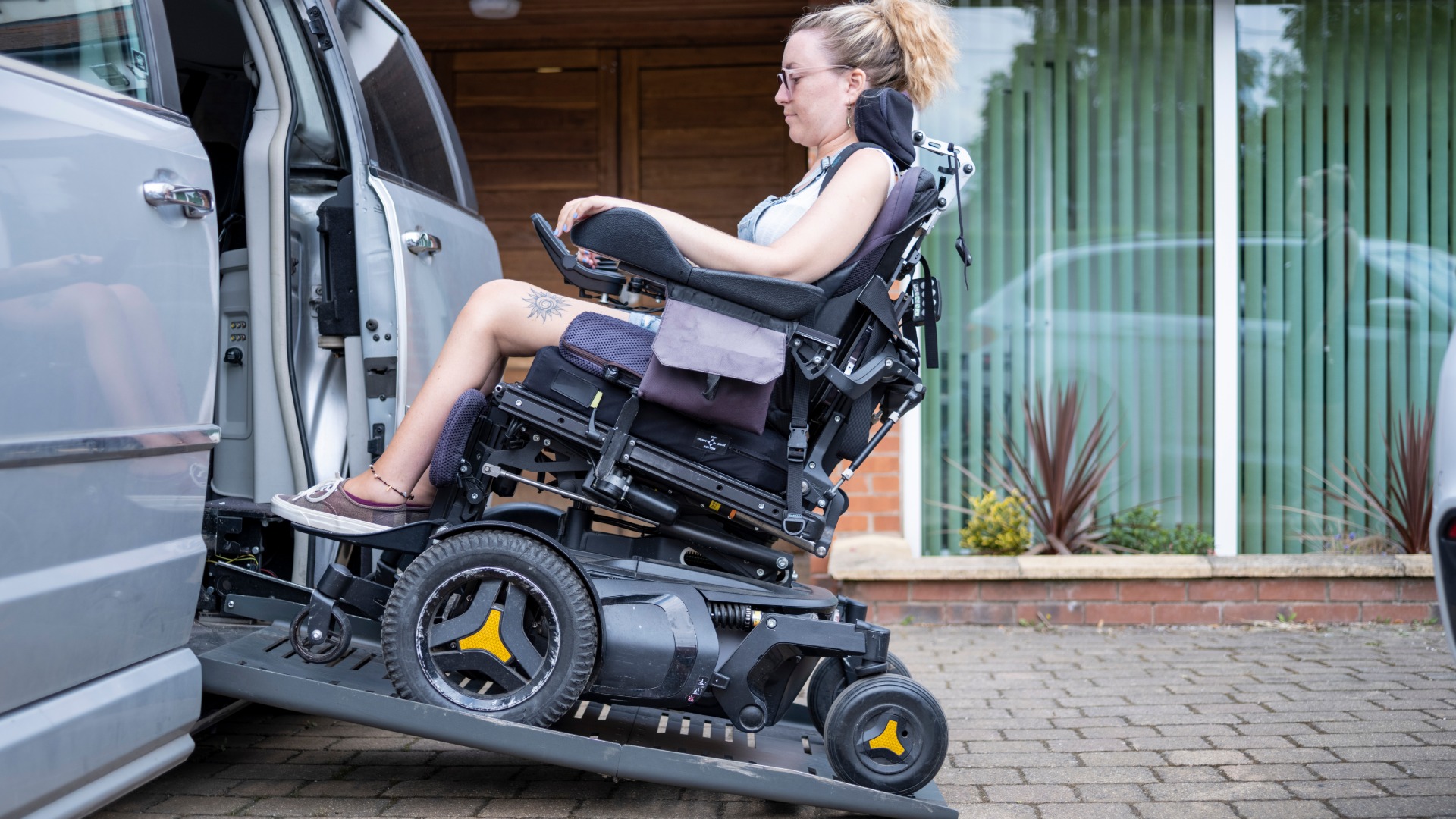
Choosing a wheelchair-accessible vehicle is deeply personal. For decades, mobility vans have dominated the conversation, and for good reason: they offer interior space and proven ramp systems. Yet for many wheelchair users, daily life involves more than fitting into a standard solution. Lifestyle, terrain, independence, and comfort all influence the right choice.
In fact, there are situations when a van isn't the best mobility solution. While vans remain valuable for many drivers and passengers, they are not universally ideal. A closer look at how at your daily routines and long-term goals reveals that alternatives deserve serious consideration.
Understanding those differences opens the door to options that may better align with your mobility goals.
Why a Mobility Van Isn’t Always the Right Answer
Mobility vans are designed around interior height and ramp access. That design, however, brings trade-offs. Lowered floors reduce ground clearance, which can create challenges on uneven roads or steep driveways. Larger vehicle dimensions may also limit parking flexibility in crowded urban settings.
In addition, the driving experience can feel different from what many people are used to. Turning radius and overall length vary compared to SUVs or trucks. For wheelchair users who want a vehicle that blends more seamlessly into daily routines, a van may feel oversized or less adaptable.
None of these factors makes vans ineffective. They simply illustrate that mobility needs vary widely. A vehicle should complement your environment and lifestyle rather than require constant adjustment.
When a Van May Not Fit Your Mobility Needs
Certain circumstances highlight where a van may fall short.
You Want a Vehicle That Matches Your Lifestyle
Active routines involve outdoor recreation or the transport of gear beyond mobility equipment. Some wheelchair users prefer a vehicle that supports towing or hauling equipment while still maintaining full accessibility. For those balancing passengers and equipment, the benefits of crew cab trucks for wheelchair access align naturally with those priorities.
You Want More Flexibility in Seating and Passenger Layout
Because van interiors are restructured around accessibility features, seating arrangements for passengers or caregivers can become more fixed. In contrast, converted SUVs and trucks typically retain their original cabin layout while incorporating a lift system, offering greater passenger flexibility and everyday use.
You Want an Easier, Smoother Way To Enter the Vehicle
Side-entry ramps work well in many environments, but they require adequate clearance on the side of the vehicle. Hydraulic lift systems mounted to SUVs or trucks can offer controlled, vertical movement that feels stable and predictable in tighter spaces.
You Need Better Performance in Snow, Rain, or Rough Terrain
All-wheel-drive or four-wheel-drive systems are common in trucks and SUVs. Higher ground clearance and available four-wheel-drive systems can improve traction in winter conditions or rural areas. For wheelchair users who live in regions with heavy snow or unpaved roads, performance capability becomes a meaningful factor.
You Plan To Keep the Vehicle Long-Term
Purchasing a mobility vehicle is a long-term investment rather than a temporary solution. Over time, driving habits or accessibility needs may evolve. Some wheelchair users prefer a vehicle platform known for durability and adaptability so it can continue supporting their independence for years to come.
Taken together, these scenarios demonstrate that mobility is not one-size-fits-all. Matching the vehicle to the environment matters.
Why Trucks and SUVs With Hydraulic Lifts Are a Stronger Alternative
Trucks and SUVs with hydraulic lift systems allow wheelchair users to remain positioned at standard ride height relative to surrounding traffic. That perspective can influence how drivers perceive traffic flow and interaction with other vehicles on the road. For some individuals, sitting higher gives them a greater sense of spatial awareness, particularly on highways or in multi-lane traffic.
Cabin configuration can also affect how a wheelchair user engages socially while traveling. Entering through a front door rather than a side ramp may place the user closer to the driver’s primary seating area, altering conversation dynamics and overall comfort during longer trips.
Equally important, many truck and SUV conversions integrate accessibility features without dramatically altering how the vehicle is used day to day. That continuity can make the transition feel less disruptive, particularly for drivers who want accessibility to blend into their routine rather than redefine it. For many wheelchair users, those distinctions influence how natural and comfortable everyday driving ultimately feels.
Key Factors To Consider When Choosing the Right Mobility Vehicle
After weighing performance, layout, and long-term ownership considerations, a few additional practical details deserve attention before making a final decision. Looking beyond surface features can help ensure your choice supports not only accessibility, but everyday logistics as well.
Your Type of Mobility Device
Begin by considering how your wheelchair will be positioned and secured inside the vehicle. The size, weight, and turning radius of your device influence lift capacity. Ensuring the vehicle accommodates your chair comfortably and safely supports long-term confidence on the road.
Service and Maintenance Accessibility
Some mobility modifications require specialized technicians for adjustments or repairs. Before choosing a vehicle, consider where service can be performed and how easily parts can be sourced in your region. Access to reliable maintenance helps prevent unnecessary downtime and preserves independence.
Insurance and Coverage Considerations
Modified vehicles may have unique insurance requirements depending on the type and extent of the conversion. Understanding how accessibility equipment is covered under your policy is an important part of ownership. Clarifying these details early can prevent surprises later.
Home Parking and Storage Requirements
Where the vehicle will be stored each day matters. Available space for lift operation can influence how convenient daily use feels. Confirming that the vehicle integrates smoothly into your home environment supports consistency and ease.
How To Know if a Truck or SUV Conversion Is Right for You
Reflection provides the answer you’re looking for. If you value a vehicle that feels closer to a traditional driving experience, a truck or SUV conversion may align well with your priorities.
Test drives are especially revealing. Notice how the entry feels, how the lift operates, and how visibility compares to a van. Pay attention to parking ease and ride comfort. Small details determine daily satisfaction. Confidence behind the wheel and comfort during entry matter more than convention.
Mobility solutions should expand your world rather than limit it. Although vans remain a practical option for many people, there are circumstances when a van isn't the best mobility solution. By aligning your choice with how and where you live, you create a transportation experience built around you and not the other way around.