


When Does It Make Sense To Buy a Land Plot?
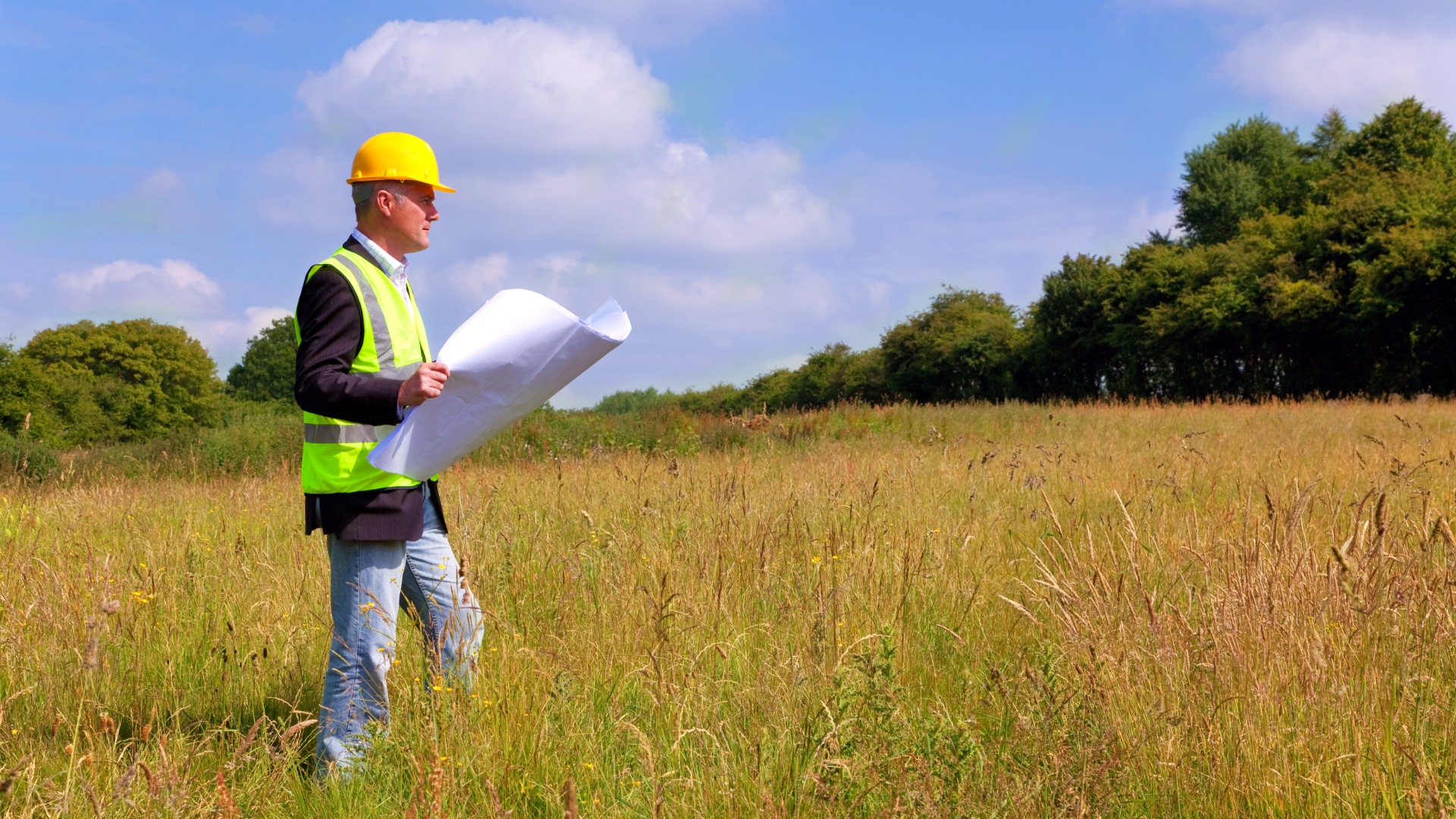
Buying a land plot can feel exciting and strategic at the same time. Unlike purchasing a finished home, buying land gives you flexibility, control, and long-term potential. However, landownership also comes with unique responsibilities and risks. Timing and purpose matter more than impulse. The right situation can make a land purchase a smart financial move, while the wrong one can tie up capital without clear returns.
Understanding when it truly makes sense to buy a land plot helps you avoid costly mistakes and align your investment with your long-term goals.
When You Plan to Build a Custom Home
Many buyers purchase land because they want to build a home tailored to their needs. If you feel frustrated by limited inventory or cookie-cutter designs, land ownership offers creative freedom.
Buying land makes sense when:
- You already secured financing for construction.
- You understand local zoning and building restrictions.
- You confirmed access to utilities and roadways.
- You worked with a builder to estimate realistic costs.
You should also research timelines. Construction often takes longer than expected, so you need financial flexibility during the building phase. If you can handle both the land cost and the build cost without straining your budget, the investment becomes practical rather than stressful.
In growing suburban or rural areas, land values often increase once development expands. If you purchase early and build later, you may benefit from appreciation while you finalize your plans.
When You Want Long-Term Investment Potential
Land can serve as a strategic long-term investment. Unlike developed properties, vacant land usually requires less maintenance and fewer recurring expenses. You will not deal with tenants, property repairs, or renovation cycles.
However, appreciation depends heavily on location. You should study population growth, infrastructure projects, commercial development plans, and employment trends in the area. Land near expanding highways, business districts, or planned communities often increases in value faster than isolated parcels.
Speculative purchases without research rarely succeed. Strong investors analyze comparable sales and local economic forecasts before committing funds.
When You Seek Agricultural or Farming Opportunities
Some buyers purchase land for farming, ranching, or small-scale agricultural operations. In these cases, productivity becomes the priority.
You must assess water access, climate patterns, drainage, and soil quality evaluation before buying farmland. Productive soil supports consistent yields and protects your long-term profitability. Without proper evaluation, you risk purchasing land that requires expensive amendments or irrigation upgrades.
When You Want Greater Privacy and Control
Some buyers prioritize privacy above all else. Rural or semi-rural land plots offer space, distance from neighbors, and fewer community restrictions. If you value independence, a land purchase may align with your lifestyle goals.
Before buying, you should confirm zoning classifications and deed restrictions. Some parcels limit certain activities, building sizes, or land uses. If you want to build workshops, barns, or additional structures, zoning laws must support those plans.
Large parcels also require maintenance. You may need to manage fencing, clearing, or drainage. Buyers who enjoy hands-on property management often find satisfaction in maintaining their own land.
When You Secure Favorable Market Conditions
Timing plays a significant role in any real estate decision. Land prices fluctuate based on interest rates, development cycles, and local demand.
It makes sense to buy when:
- Interest rates remain manageable.
- Inventory stays limited in high-demand areas.
- Developers show interest in nearby projects.
- Local government approves infrastructure improvements.
You should compare land prices to nearby developed properties. In some markets, land costs rise close to finished home prices, which reduces your financial advantage. In others, you can secure land at a reasonable rate before builders enter the area.
Smart buyers monitor city planning meetings and development proposals. Early information gives you an edge.
When You Have a Clear Financial Plan
Land purchases require a disciplined financial approach. Lenders often demand higher down payments for vacant land than for homes. Interest rates on land loans can also run higher.
You should calculate:
- Purchase price.
- Closing costs.
- Property taxes.
- Utility installation costs.
- Survey and inspection fees.
- Ongoing maintenance expenses.
Without a defined budget, buyers may underestimate total investment costs. You should maintain emergency savings alongside your land investment. Financial stability reduces stress and protects your long-term plans.
If you intend to hold the land for several years, make sure property taxes fit comfortably within your annual budget.
When You Understand Utility and Infrastructure Access
Raw land may lack essential utilities. Before you buy, confirm access to electricity, water, sewer, and internet services. Extending utility lines can cost thousands of dollars.
You should also check road access. A parcel without legal road access may limit your ability to build or sell in the future. Easements and right-of-way agreements deserve careful review.
If utilities already exist nearby, development becomes more affordable and straightforward. Buyers who skip this step often encounter unexpected expenses.
When You Conduct Thorough Due Diligence
Due diligence determines whether a land purchase makes sense. You should never rely solely on listing descriptions or seller claims.
Key steps include:
- Ordering a professional survey.
- Reviewing title reports.
- Confirming zoning compliance.
- Testing soil and drainage conditions.
- Researching flood zone maps.
Environmental restrictions, protected habitats, or floodplain designations can impact your plans. Careful research reduces risk and strengthens your negotiating position.
If any red flags appear, consult real estate attorneys or local planning officials. Professional advice often prevents costly mistakes.
When Development Growth Signals Opportunity
Rapid population growth and business expansion create strong land demand. You should analyze nearby construction projects, retail openings, and transportation improvements.
When cities expand outward, previously overlooked parcels can gain significant value. Buyers who identify early growth corridors often benefit most.
Still, speculation carries risk. Not every proposed project materializes. You should confirm funding approvals and government commitments before relying on projected developments.
Patience and research separate successful land investors from impulsive buyers.
When You Align Purchase With Long-Term Goals
Ultimately, buying a land plot makes sense when it supports your broader life or financial goals. If you envision building a family home, launching an agricultural business, creating a recreational escape, or holding long-term investment property, land can provide flexibility and opportunity.
However, land ownership requires preparation. You need research, capital, and realistic expectations. Buyers who rush into purchases often face zoning issues, unexpected development costs, or stagnant resale markets.
Ask yourself:
- Do I have a clear purpose for this land?
- Can I comfortably afford holding costs?
- Have I researched local regulations and growth trends?
- Does this purchase fit my long-term strategy?
When you answer these questions with confidence, a land plot purchase can become a strategic and rewarding decision.
Land offers freedom and potential, but it rewards preparation over impulse. If you approach the decision with patience, research, and financial discipline, buying a land plot can make excellent sense at the right time and in the right location.