


What You Should Know About Coffee Beans From Costa Rica
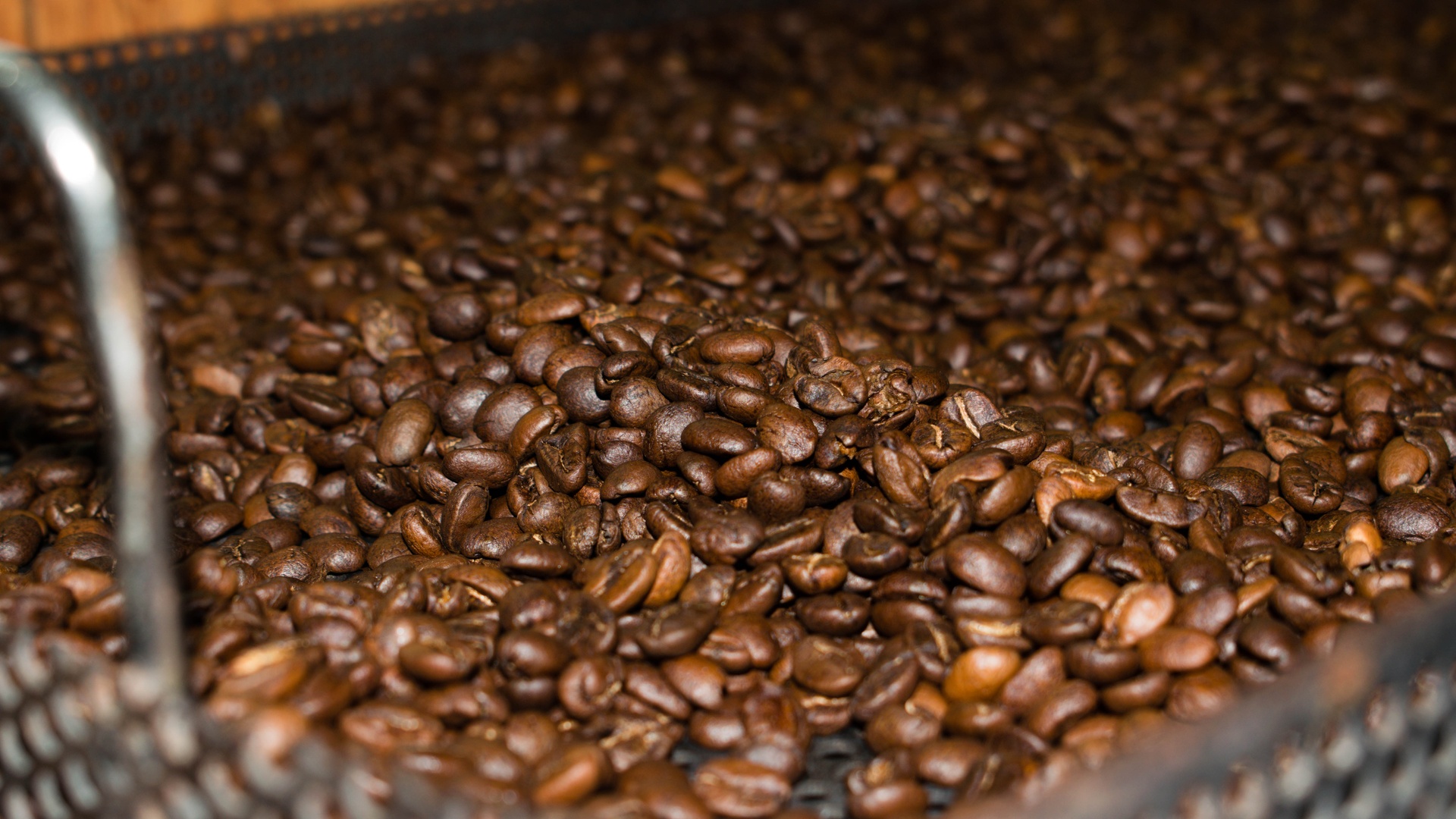
Costa Rica produces some of the world’s most distinctive coffee, earning recognition for its bright acidity and complex flavor profiles. This Central American nation built its reputation on high-altitude cultivation and strict quality standards that consistently deliver exceptional beans to coffee lovers worldwide.
Coffee enthusiasts often overlook the unique characteristics that set Costa Rican beans apart from other origins. Harnessing these differences can transform your daily brewing routine and help you appreciate the artistry behind each cup. Here’s a look at what you should know about coffee beans from Costa Rica.
Costa Rica’s Coffee Growing Regions
Costa Rica divides its coffee production across eight distinct regions, each contributing unique flavor characteristics. The Central Valley, Tarrazú, and West Valley regions produce the majority of the country’s premium beans.
Tarrazú is the most prestigious region, with elevations reaching 6,000 feet above sea level. These high-altitude conditions create beans with exceptional brightness and clarity. The Central Valley offers more balanced flavors, while the West Valley produces beans with honey-like sweetness.
The growing region affects taste considerably, as altitude, soil composition, and microclimate all influence the final product. Higher elevations typically result in denser beans with more complex acidity.
Processing Methods That Define Costa Rican Coffee
Costa Rica pioneered several innovative processing techniques that enhance coffee quality, such as:
- Honey Processing: Removes the outer cherry but leaves some mucilage attached during drying
- White Honey: Removes most mucilage, creating cleaner flavors
- Red Honey: Retains more mucilage for increased sweetness and body
- Black Honey: Keeps maximum mucilage for intense sweetness and complexity
These methods produce distinct flavor profiles that range from bright and clean to rich and syrupy. The honey processing technique originated in Costa Rica and has since spread to other coffee-growing regions worldwide.
Flavor Profile and Tasting Notes
Costa Rican coffee typically exhibits bright acidity balanced with medium body. Common tasting notes include citrus fruits, chocolate, caramel, and tropical fruits. The country’s volcanic soil contributes mineral undertones that add complexity to each cup.
Single-origin Costa Rican beans often display wine-like characteristics, particularly those from high-altitude regions. This acidity makes Costa Rican coffee excellent for pour-over brewing methods that highlight these bright notes.
Sustainability and Quality Standards
Costa Rica enforces strict regulations on coffee production, prohibiting the cultivation of Robusta beans and mandating that only Arabica varieties can carry the Costa Rican coffee designation. This commitment to quality ensures consistency across all exports.
The country also embraces sustainable farming practices, with many farms earning organic and Fair Trade certifications. Costa Rica aims to become carbon neutral by 2050, making environmental responsibility a core part of its coffee industry.
Brewing Recommendations
Costa Rican coffee shines with brewing methods that emphasize clarity and brightness. Pour-over techniques using V60 or Chemex filters allow the complex acidity to express itself fully. Light to medium roasts preserve the origin characteristics that make these beans special.
For espresso preparation, Costa Rican coffee beans work well in blends but can also stand alone for people who prefer bright, fruity espresso shots over darker, more bitter profiles.
Several factors contribute to Costa Rica’s position as a premium coffee origin. Strict quality controls, innovative processing methods, and optimal growing conditions combine to create consistently excellent coffee. The country’s focus on specialty grade beans rather than commodity coffee means producers invest more time and resources into each harvest.