


What Makes Remote Construction Projects So Difficult?
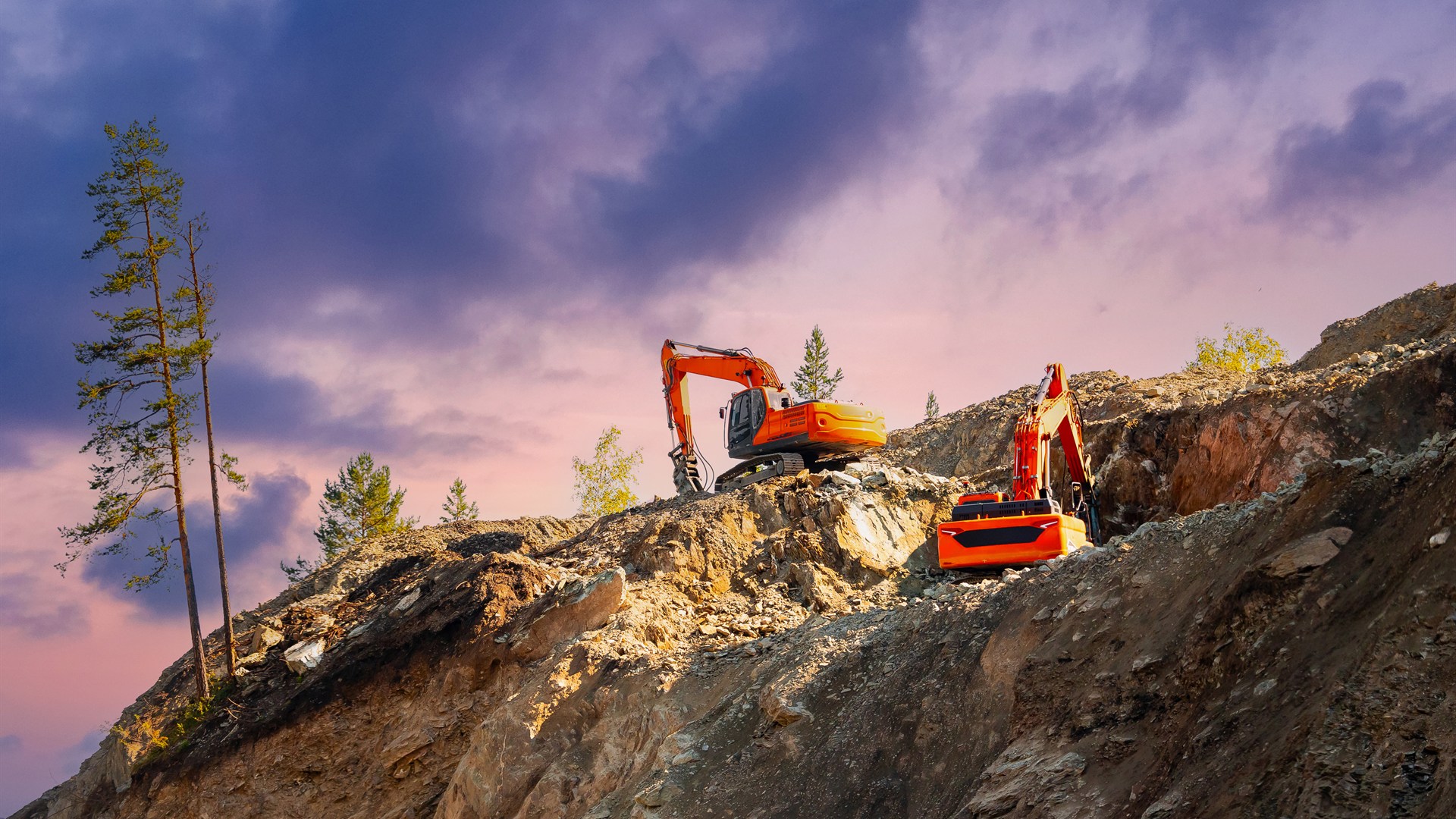
A construction crew can have everything ready for a productive workday and still lose hours because a delivery truck can't reach the jobsite. That's one of the frustrations of building in remote areas, where the nearest supply yard might be miles away and a simple equipment problem can disrupt the entire schedule. Long distances and unpredictable weather can make these situations particularly challenging. With thoughtful planning and a realistic understanding of local conditions, however, contractors can prevent many setbacks from turning into costly delays.
The Long Road to the Jobsite
If you've ever driven across rural Wyoming, you know that getting from one place to another can take longer than expected. Now imagine making that trip with a truck hauling heavy construction machinery. Some remote sites sit at the end of narrow gravel roads that weren't designed for frequent equipment deliveries.
Crews need to consider more than the distance between the highway and their destination. A loaded truck might encounter a bridge with weight restrictions or a steep approach that limits safe access. Contractors who overlook these obstacles may have to arrange a different delivery route after the equipment has already left the yard.
When the Road Becomes the Problem
Access can change throughout a project, particularly when rain softens an unpaved road. A route that supports regular pickups might not accommodate a loaded concrete truck under the same conditions.
Contractors should assess access routes with their heaviest planned deliveries in mind. They may need to reinforce vulnerable sections or schedule deliveries during suitable ground conditions.
Weather Disruptions to Construction Plans
Wyoming weather can keep people guessing, and construction crews know that reputation isn't entirely undeserved. Strong winds can interrupt crane operations, while freezing temperatures may prevent certain materials from performing as intended.
You can't control the forecast, but you can build flexibility into the schedule. Contractors should identify activities that depend heavily on favorable conditions and avoid placing them all within a narrow window.
Why Supply Shortages Hit Remote Jobs Harder
Running short on materials at a construction site in town might mean sending someone to a nearby supplier. At a remote location, that same shortage could leave several workers waiting for a delivery that won't arrive until the following day.
Contractors can reduce these interruptions by reviewing material requirements before each major phase. They should also account for delivery lead times rather than assuming suppliers can respond immediately.
Storage deserves attention, too. If crews receive materials well ahead of installation, they need suitable protection from the weather. Poor storage can damage supplies and create another delay that careful planning could have prevented.
When Heavy Machinery Won't Budge
Heavy equipment can get stuck when operators encounter soft ground that won't support the machine's weight. A bulldozer working near a drainage area, for example, might sink into saturated soil after repeated passes.
At an isolated site, crews may not have immediate access to specialized recovery assistance. Trying to free the machine without assessing the situation can make matters worse, particularly when the undercarriage rests against the ground.
Why Pulling Power Alone Isn't Enough
Operators need to understand what's preventing movement before attempting a recovery. Mud can create substantial resistance, meaning a machine's operating weight doesn't necessarily represent the load that recovery equipment must handle.
When planning a controlled extraction, crews need to account for the additional resistance created by surrounding soil. Selecting the appropriate recovery rope diameter requires understanding the expected load rather than relying on the machine's weight alone. Operators should also verify approved attachment points and follow the equipment manufacturer's recovery procedures. If the crew can't establish a safe recovery method, bringing in qualified assistance is the better option.
Small Repairs Can Cause Big Delays
A damaged hydraulic hose might seem like a manageable problem until you realize the nearest replacement sits several hours away. When crews depend on one machine to complete a particular task, a mechanical failure can bring that part of the project to a halt.
Regular maintenance helps reduce unexpected breakdowns, but contractors also need a practical repair strategy. Keeping commonly needed replacement parts on-site can shorten downtime when minor problems arise.
For larger repairs, contractors should identify available service providers and determine what assistance they can deliver to the location. A technician may need specialized tools that the crew doesn't have, so knowing the repair requirements can prevent an unnecessary trip.
Stay Connected Beyond Cell Service
Reliable communication isn't something contractors can take for granted in remote areas. Depending on the terrain and location, cellular coverage may weaken or disappear entirely.
That creates problems when supervisors need to coordinate deliveries or request assistance. It also raises safety concerns if someone suffers an injury and the crew can't contact emergency responders.
Plan for Communication Gaps
Contractors should test communication options at the site rather than assuming mobile phones will work. Depending on local coverage and operating conditions, they may need radios or satellite communication equipment.
Every worker should also understand the emergency communication plan. Crews need a reliable way to report an incident and provide responders with accurate directions to the site.
A Better Plan for the Unexpected
So, what makes remote construction projects so difficult to manage? Much of the challenge comes from having fewer resources nearby when something doesn't go according to plan. You can't anticipate every complication, but you can prepare your crew to respond without unnecessary confusion.
A practical site-readiness checklist should address the following:
- Access: Confirm that delivery vehicles can safely reach the work area
- Weather: Establish conditions that require crews to suspend operations
- Supplies: Verify delivery schedules against upcoming construction activities
- Equipment: Identify repair resources and suitable recovery procedures
- Communication: Test emergency contact methods at the actual jobsite
Remote construction will always involve some uncertainty, but every completed project offers lessons for the next one. Rather than letting those lessons disappear when the crew packs up, document the setbacks that affected progress and the solutions that worked.
If you're preparing for a project in a rural area, bring your site supervisor and equipment operators into the planning conversation early. Their firsthand knowledge may reveal a problem that looks minor on paper but could cost you an entire workday in the field.