


What To Inspect Before Starting a Major Yard Project
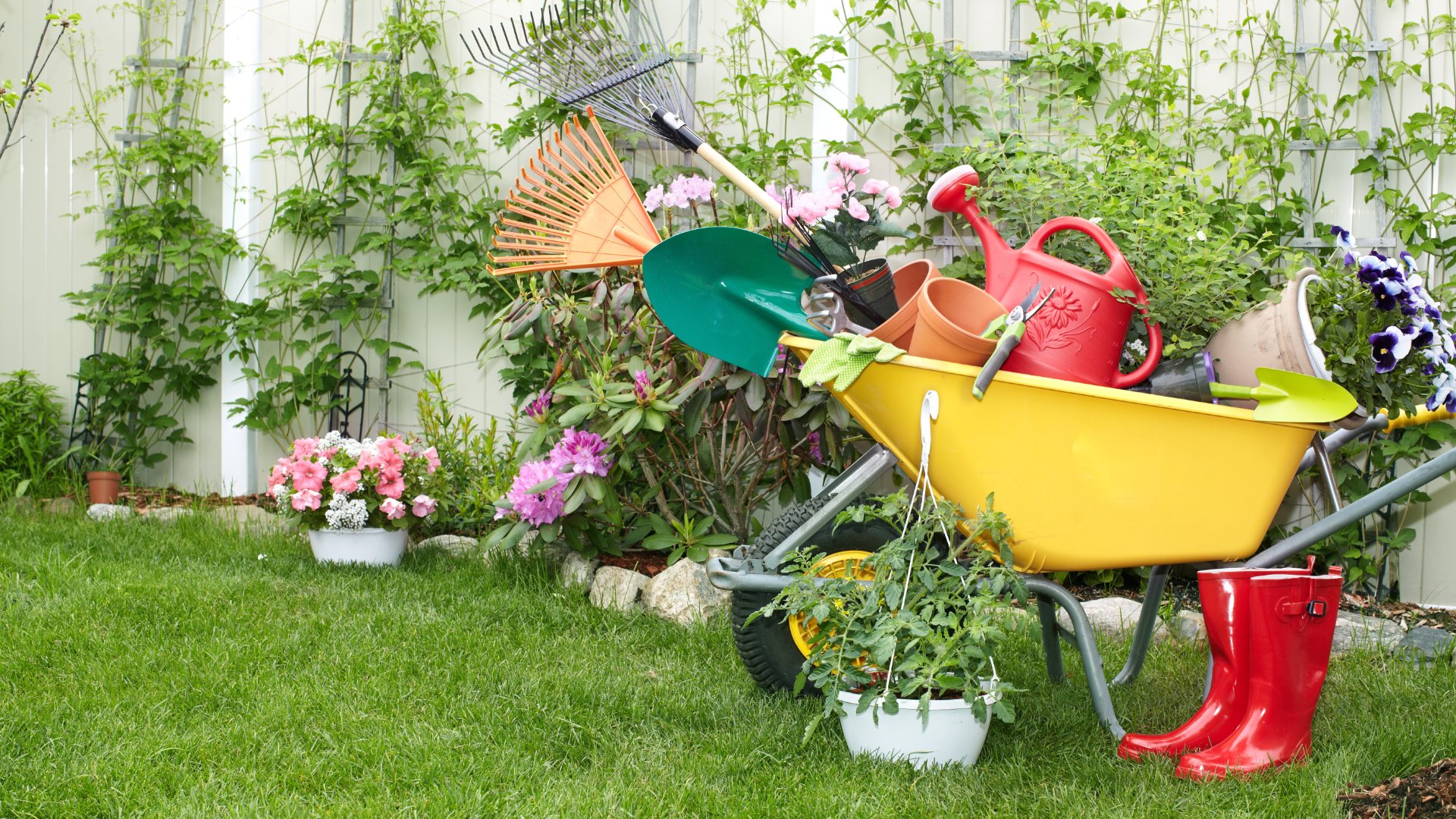
A major yard project transforms an ordinary outdoor space into something special. Whether the goal is building a patio, installing garden beds, replacing a fence, or refreshing the landscaping, there’s plenty to look forward to once the work is finished.
Of course, getting there isn’t always simple. Uneven ground, unexpected drainage problems, and equipment breakdowns can quickly turn an exciting project into a frustrating experience. Knowing what to inspect before starting a major yard project allows homeowners to avoid these surprises.
Start With the Ground Beneath Your Feet
Before choosing plants, pavers, or decorative features, take a closer look at the ground itself. Soil conditions and yard slopes influence nearly every part of a landscaping project.
Check for Drainage Trouble
Water has a way of finding the lowest point in a yard, whether that’s convenient or not. Puddles that linger after rainfall, soggy grass, and soil washing away from slopes can indicate drainage problems.
Walk around the property after a good rain and notice where water collects. If a patio, garden bed, or walkway is planned for one of these areas, drainage improvements may need to come first. Check where downspouts release water, too. Poorly directed runoff can contribute to erosion and standing water around outdoor structures.
Get To Know the Soil
Not all dirt behaves the same way. Some soil drains quickly, while other soil holds moisture or becomes heavily compacted.
Once underground utilities have been located, a small test hole can reveal rocky ground, thick clay, or roots. These conditions may affect digging, planting, and installation plans. For gardening projects, a soil test can also help determine whether amendments are needed before planting.
Give Your Tools a Little Attention
It’s easy to focus on the finished yard and overlook the equipment needed to make it happen. Unfortunately, broken tools bring even the best-organized project to a standstill.
Inspect the Hardworking Basics
Shovels, rakes, pruning shears, and other hand tools deserve a quick inspection. Look for loose handles, rusted blades, cracked grips, and anything that could make them difficult or unsafe to use. Powered equipment needs attention, too. Check mower blades, trimmer lines, extension cords, and other components according to manufacturer recommendations.
Make sure protective gloves, sturdy footwear, and safety glasses are available when needed. A little preparation prevents unnecessary interruptions once work begins.
Don’t Forget the Wheelbarrow
A wheelbarrow might not be the most exciting landscaping tool, but it can become one of the hardest working. Moving soil, mulch, gravel, and yard debris is considerably easier when it rolls smoothly.
Before loading it, inspect the handles, frame, tray, and tire. Cracked rubber, repeated air loss, and visible damage are among the signs that a wheelbarrow tire is worn out and needs replacement. Make sure the wheel turns freely and the wheelbarrow feels stable under a manageable load. Discovering a problem before hauling several loads of gravel is much better than finding out halfway across the lawn.
Look Up, Look Down, and Check What’s Hidden
Some of the biggest yard project problems come from things that aren’t immediately visible. Underground utilities, overhead branches, and buried obstacles can all interfere with construction.
Know What’s Underground
Before digging holes for fence posts, trees, or retaining walls, arrange to have underground utilities located. Contacting 811 or the appropriate local utility notification service is an essential step before excavation.
Electrical lines, gas pipes, water lines, and communication cables may run beneath seemingly clear ground. Privately owned lines, including certain irrigation and electrical connections, may require separate locating services. Also, check for sprinkler heads, drainage pipes, and buried edging that could interfere with the work.
Inspect Trees and Overhead Obstacles
Look upward before deciding where new structures or landscaping features should go. Low branches, leaning trees, and overhead utility lines create obstacles that aren’t obvious in a project sketch.
Large tree roots deserve consideration, too. Digging too close to established trees can damage their root systems and affect their long-term health. For extensive work near mature trees, consulting a qualified arborist may help prevent damage.
Make Sure Everything Can Get In and Out
A beautiful landscaping design won’t help much if materials can’t reach the work area. Before arranging deliveries or equipment rentals, walk along the route everything will travel.
Measure Access Points
Check gate widths, narrow side yards, tight corners, and steps between the driveway and the project location. Wheelbarrows, compact machinery, and bulky building materials may need more clearance than expected.
Consider where delivery vehicles can unload safely. A gravel pile dropped far from the work area, for instance, adds hours of hauling to an otherwise manageable project.
Protect the Areas You’re Keeping
Major yard improvements shouldn’t come at the expense of everything around them. Heavy equipment, repeated foot traffic, and stored materials can damage healthy grass, garden beds, and existing pathways.
Identify areas that need protection before work begins. Temporary boards, protective mats, and designated storage spaces minimize damage. Plan where removed soil, branches, and construction debris will go as well; having a disposal strategy makes cleanup easier.
Check Property Boundaries and Project Requirements
Building a fence, adding a shed, or changing the yard’s layout may involve more than personal preference. Property boundaries, neighborhood rules, and local building requirements can affect what’s permitted.
Review property records or survey information before placing permanent structures near boundary lines. If the exact boundary is uncertain, a professional survey may be necessary. Check whether permits or approvals are required, too. Requirements vary by project type and location, making early research worthwhile.
Take a Good Look at the Weather
Outdoor projects and unpredictable weather aren’t always the best combination. Rain can turn disturbed soil into mud, while extreme heat makes physical labor more demanding.
Check the forecast before scheduling digging, concrete work, planting, or material deliveries. Some tasks require particular temperatures or dry conditions for successful results. Consider seasonal conditions as well. Frozen or saturated ground can complicate installation, while new plants need appropriate growing conditions.
Give the Budget One Last Check
Even carefully planned improvements can reveal unexpected expenses. Additional soil, replacement tools, drainage materials, and equipment rentals increase the final cost.
Review the materials list and confirm quantities before beginning. Remember to account for delivery fees, disposal costs, and necessary permits. Setting aside a contingency amount provides breathing room when surprises arise. For larger projects, completing essential groundwork before decorative improvements keeps spending manageable.
A Little Inspection Goes a Long Way
Successful yard projects begin long before the visible transformation takes place. Checking the ground, inspecting equipment, identifying obstacles, and reviewing the budget can make the entire process easier.
Understanding what to inspect before starting a major yard project doesn’t require becoming a landscaping expert. It simply means noticing small problems before they become expensive ones. With thoughtful preparation, homeowners can spend less time dealing with surprises and more time enjoying their improved outdoor space.