


What Happens Before a Fiber Network Goes Live
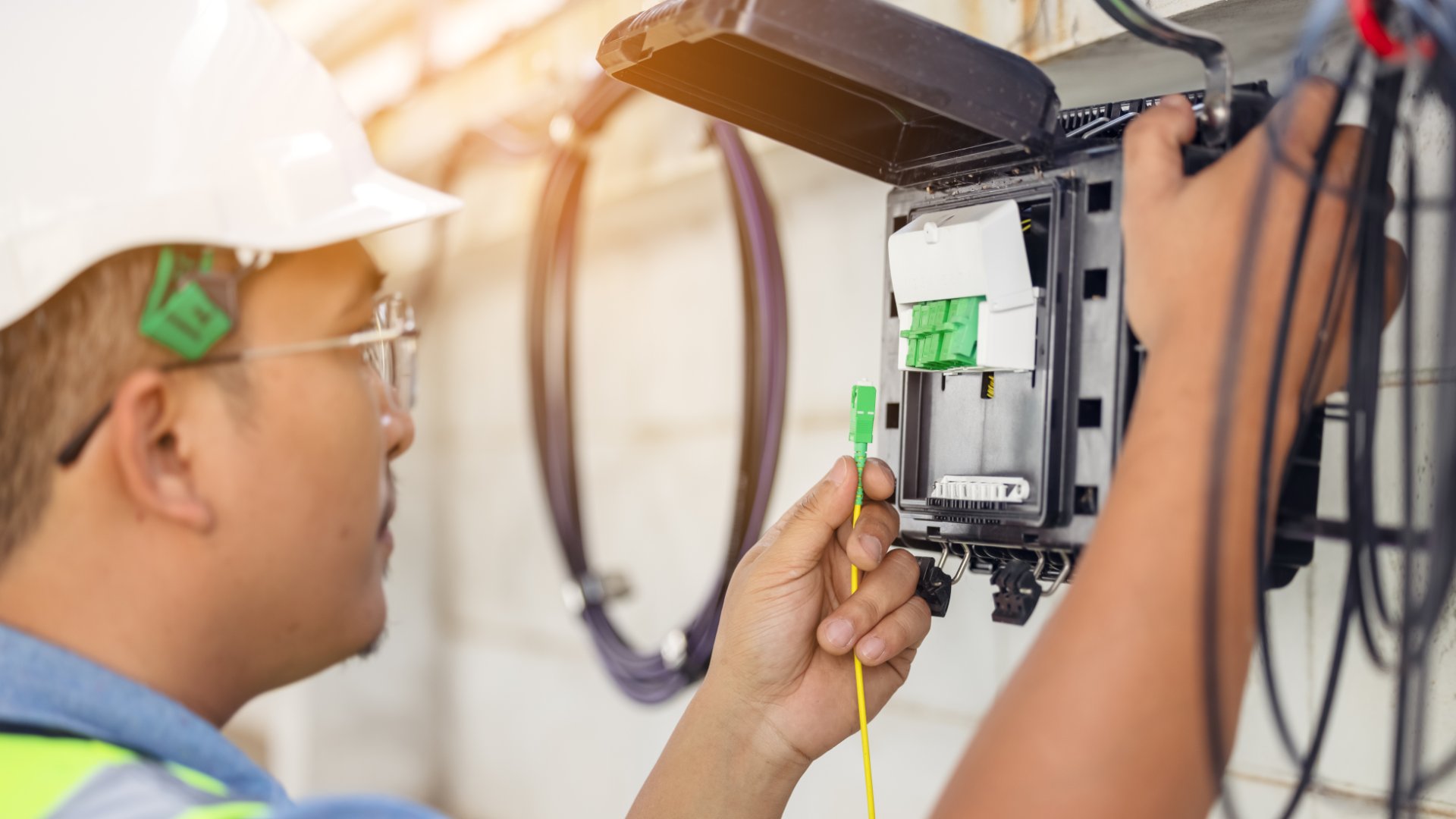
A new fiber network can seem almost invisible once it starts working. Data travels through thin strands of glass, homes and businesses connect, and most customers never see the infrastructure responsible for carrying their internet service.
Getting to that point requires considerably more work than simply installing cable and switching on equipment. Technicians need to confirm that the fiber plant matches the design and performs as expected before customers depend on it. The Fiber Optic Association (FOA) identifies several forms of fiber testing, including visual inspection, optical power measurement, insertion loss testing and optical time-domain reflectometer testing.
For communities across Wyoming and South Dakota, understanding that process offers an interesting look behind infrastructure that increasingly supports everyday life. Take a look at what happens before a fiber network goes live.
First, Crews Have To Build What Engineers Designed
Fiber projects begin long before testing. Designers consider routes, equipment requirements and the type of network they need to support. Construction crews then turn those plans into physical infrastructure.
Depending on the project, crews may place cable underground or install it along existing utility routes. They also have to manage connections, closures and other components throughout the system. Good workmanship matters because installation problems can eventually affect network performance.
Testing gives technicians a way to check that work before the network enters regular service.
A Clean Connection Matters More Than You Might Think
Fiber carries information using light, which makes the condition of connections important. Dirt or contamination on connector surfaces can interfere with a good connection.
That explains why inspection and cleaning form a basic part of fiber testing. FOA guidance specifically covers connector inspection and cleaning alongside other testing procedures.
This step may sound minor compared with miles of new cable, but small details matter in a system designed to transmit light efficiently. Technicians want clean, properly connected components before they begin drawing conclusions from other measurements.
Technicians Check Whether Light Makes the Trip
One major question sounds wonderfully simple: How much optical power reaches the other end?
Every fiber link has some amount of loss. Connectors, splices and the fiber itself can contribute to it, so technicians measure whether a completed link performs within the expected parameters. FOA maintains standards and educational guidance for measuring optical power and testing the insertion loss of installed fiber cable plants.
Insertion loss testing evaluates the total loss across a link. This information helps teams determine whether the installed system meets the requirements set for the project.
An OTDR Helps Technicians Look Along the Fiber
Sometimes technicians need more than an end-to-end measurement. An optical time-domain reflectometer, better known as an OTDR, can help them examine what happens along a fiber.
An OTDR sends light pulses into the fiber and analyses the returned signal. Technicians can use the resulting trace to investigate events along a link, including splices or possible faults. FOA includes OTDR testing among its core fiber-testing practices and maintains a dedicated standard for testing fiber optic cable plants with an OTDR.
Think of it as gaining a view into a cable that would otherwise offer very few clues from the outside.
The Right Test Gear Depends on the Job
Not every project requires a company to own every instrument it might use. Contractors may need specialized equipment for a particular installation, a temporary workload increase or a test that falls outside their everyday projects.
This makes planning important when renting fiber optic test equipment, because the instrument needs to suit the network and the measurements technicians intend to perform. Teams also need appropriate accessories and reference cables, along with personnel who understand the equipment.
Using sophisticated equipment without the right setup can create confusing results rather than useful answers.
Test Results Need Context
A number on a screen means little unless technicians know what they expected to see. Network designers can calculate anticipated loss based on the fiber route and components in a link.
Technicians then compare measurements with those expectations. A result outside the expected range can prompt additional investigation before activation. That might mean checking connections again, reviewing a splice or using another test method to narrow down the issue.
Measurement uncertainty matters, too. FOA’s fiber-testing resources specifically address common measurement errors and uncertainty, which underscores why technicians need consistent procedures rather than relying on a single unexplained reading.
Documentation Becomes Part of the Network
Testing does more than answer the immediate question of whether a network works. It also creates records that can help the people responsible for the infrastructure later.
A useful set of records can show what technicians tested and what results they obtained before service began. If a problem appears months or years later, teams can compare new measurements with earlier ones. The historical context can make troubleshooting more focused.
Documentation also gives network owners a clearer picture of the infrastructure they have accepted from contractors or construction teams.
Problems Are Easier To Address Before Launch
Nobody wants to discover an avoidable installation problem after customers start relying on a connection. Pre-activation testing gives crews an opportunity to identify questionable results while technicians and project resources remain focused on the build.
If measurements reveal an issue, the team can investigate the cause and test again after making corrections. This process can turn construction work into an operational network rather than assuming that installation alone guarantees performance.
It also explains why the final stages of a fiber project may appear quiet from the outside. Crews may have finished much of the visible construction while testing and documentation continue behind the scenes.
Then Comes the Moment Everyone Notices
Customers generally notice what happens before a fiber network goes live. By then, however, crews have already completed a long sequence of planning, construction, and verification.
The behind-the-scenes work matters in rural communities just as much as it does in major cities. Homes, schools, and local businesses increasingly rely on communications infrastructure for ordinary daily activities, making dependable network performance important to the community.
The next time a new fiber connection goes live, remember that somebody tested the path before all that data started moving through it. The cable may carry light, but getting a network ready for service requires plenty of careful human work first.