


What To Consider When Scaling an Industrial Operation
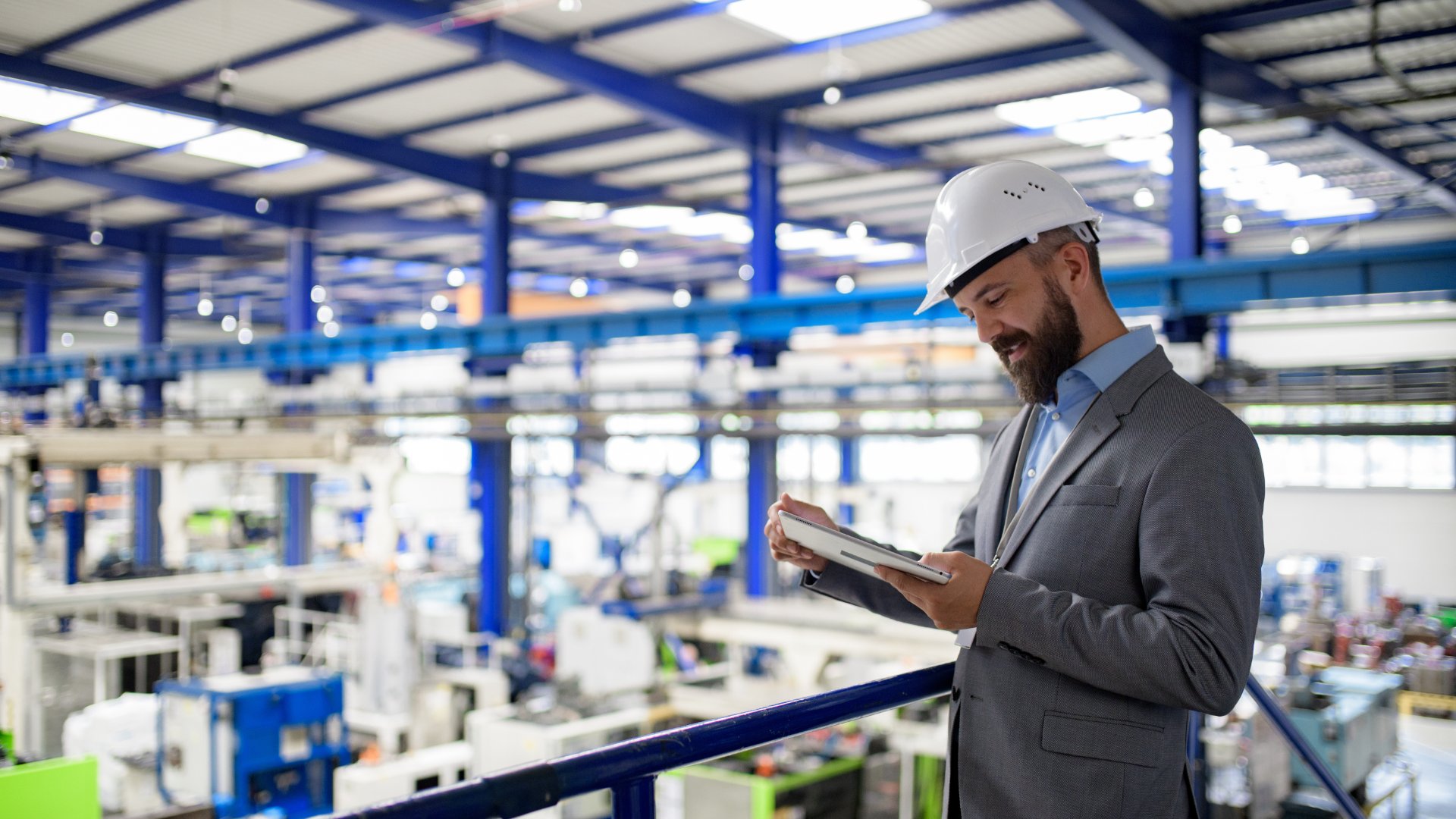
Growth is an encouraging sign for any industrial operation. Increased demand, new contracts, and expanding production needs create opportunities to invest in equipment, facilities, and people.
At the same time, expansion can reveal limitations that were not obvious at a smaller scale. Equipment that once had plenty of capacity may begin running near its limits. Storage areas can become crowded, maintenance windows can shrink, and supporting systems may struggle to keep pace.
For that reason, industrial operation scaling considerations require more than increasing production capacity. Effective growth depends on understanding how equipment, infrastructure, employees, and processes work together.
Identify the Real Bottlenecks
When more production is needed, additional equipment can seem like the logical first investment. Before making that decision, however, it is important to determine what is actually limiting output.
A faster production machine will have little effect if materials cannot reach it quickly enough. Likewise, increasing manufacturing capacity can create new problems if storage, packaging, or shipping operations cannot handle the additional volume. Reviewing the entire production process can help identify these constraints. Consider how materials enter the facility, move between production stages, and eventually leave as finished products.
Bottlenecks may appear in unexpected places. Material handling, quality inspections, utility capacity, or even the physical layout of the facility can limit productivity just as easily as production equipment. Finding those limitations early helps ensure that expansion dollars are directed toward the areas where they will make the greatest difference.
Check the Infrastructure Behind the Equipment
Industrial equipment depends on a range of supporting systems. Electricity, ventilation, cooling, compressed air, process gases, water, and control systems may all be essential to keeping production moving. When capacity increases, demands on these systems often increase as well.
Before installing new equipment, operators should consider whether existing infrastructure can comfortably support it. An electrical system may need additional capacity, for example, while increased production could require changes to ventilation, cooling, or piping.
Available floor space is another important consideration. Having enough room for a machine is only part of the equation; equipment also needs appropriate clearances, utility connections, and space for employees to operate and maintain it. Planning these details before installation prevents a facility from becoming crowded or difficult to service later.
Match Equipment to the Application
Expansion often creates an opportunity to reconsider how equipment is selected. In some situations, standard equipment provides exactly what an operation needs. In others, specific operating requirements make a more tailored approach worthwhile.
Standard configurations offer a straightforward solution when the facility, process, and equipment requirements align well. They also reduce design complexity. However, factors such as limited floor space, unusual operating conditions, existing piping, or specialized controls can make a standard configuration less practical.
Gas compression systems provide a useful example. Decisions involving custom and standard gas compressor package design can depend on pressure requirements, gas composition, available power, controls, equipment footprint, and the infrastructure already in place. The broader lesson applies across industrial settings: customization is most valuable when it addresses a genuine operational need. Otherwise, a proven standard solution may be the simpler choice.
Consider How Growth Affects Employees
Equipment and infrastructure tend to receive most of the attention during an expansion, but employees are equally important to the success of the project. Higher production levels may require additional operators, maintenance technicians, supervisors, or quality control personnel. New equipment can also introduce training requirements or changes to established procedures.
Facility layout deserves attention from this perspective as well. A design that appears efficient on paper may create extra walking, awkward material movement, or difficult maintenance access once employees begin using the space. Involving the people who work with the equipment every day can help identify practical concerns before they become permanent features of the facility.
Make Maintenance Part of the Expansion Plan
More equipment usually brings additional maintenance responsibilities. Preventive maintenance schedules may need to expand, spare parts inventories might need to change, and technicians may require new tools or training. These needs should be considered during planning rather than after new equipment has already entered service.
Accessibility is especially important. Equipment that requires frequent inspection or routine service should be positioned so technicians can reach key components without unnecessary disassembly or disruption to surrounding operations. No facility can eliminate downtime entirely, but thoughtful maintenance planning makes interruptions more predictable and easier to manage.
Leave Some Flexibility for Future Growth
An expansion naturally focuses on current demand, but it is worth considering what the facility might need several years from now. Designing everything around current requirements can create challenges if production continues to grow. Equipment may eventually need to be moved, utilities rerouted, or storage areas redesigned simply because there was no room left for another change.
Building flexibility into an expansion does not necessarily mean purchasing equipment that goes unused or maintaining large amounts of empty space. It can be as simple as leaving practical locations for future utility connections, maintaining access around major equipment, or considering where another production line could eventually be installed. Small decisions made during the current expansion make the next one considerably easier.
Measure the Results Beyond Production Volume
Increasing output is usually one of the primary reasons for expansion, but production volume should not be the only measure of success. Energy use, maintenance costs, product quality, downtime, waste, and labor requirements provide a more complete picture of how well an expanded operation is performing.
For example, a significant increase in production may look impressive until it is compared with a sharp rise in energy costs or unplanned downtime. Establishing useful performance measures before expansion provides a baseline for comparison. Once new systems are operating, those numbers can help determine whether the investment is producing the expected improvements.
Build a Stronger Operation
The challenge of industrial operation scaling considerations is that nearly every part of a facility is connected. Adding production capacity can affect utilities, staffing, maintenance, storage, material movement, and other equipment throughout the operation. Looking at those relationships before making major changes prevents an expansion from simply moving problems from one part of the facility to another.
The strongest growth plans balance immediate production needs with reliability, efficiency, and flexibility. Rather than focusing on how much more a facility can produce, the goal should be creating an operation that can handle additional demand without becoming difficult or expensive to run. When growth is approached that way, expansion becomes more than adding capacity; it becomes an opportunity to build an operation that is better prepared for whatever comes next.