


Ways for Mechanics To Build Their Skills
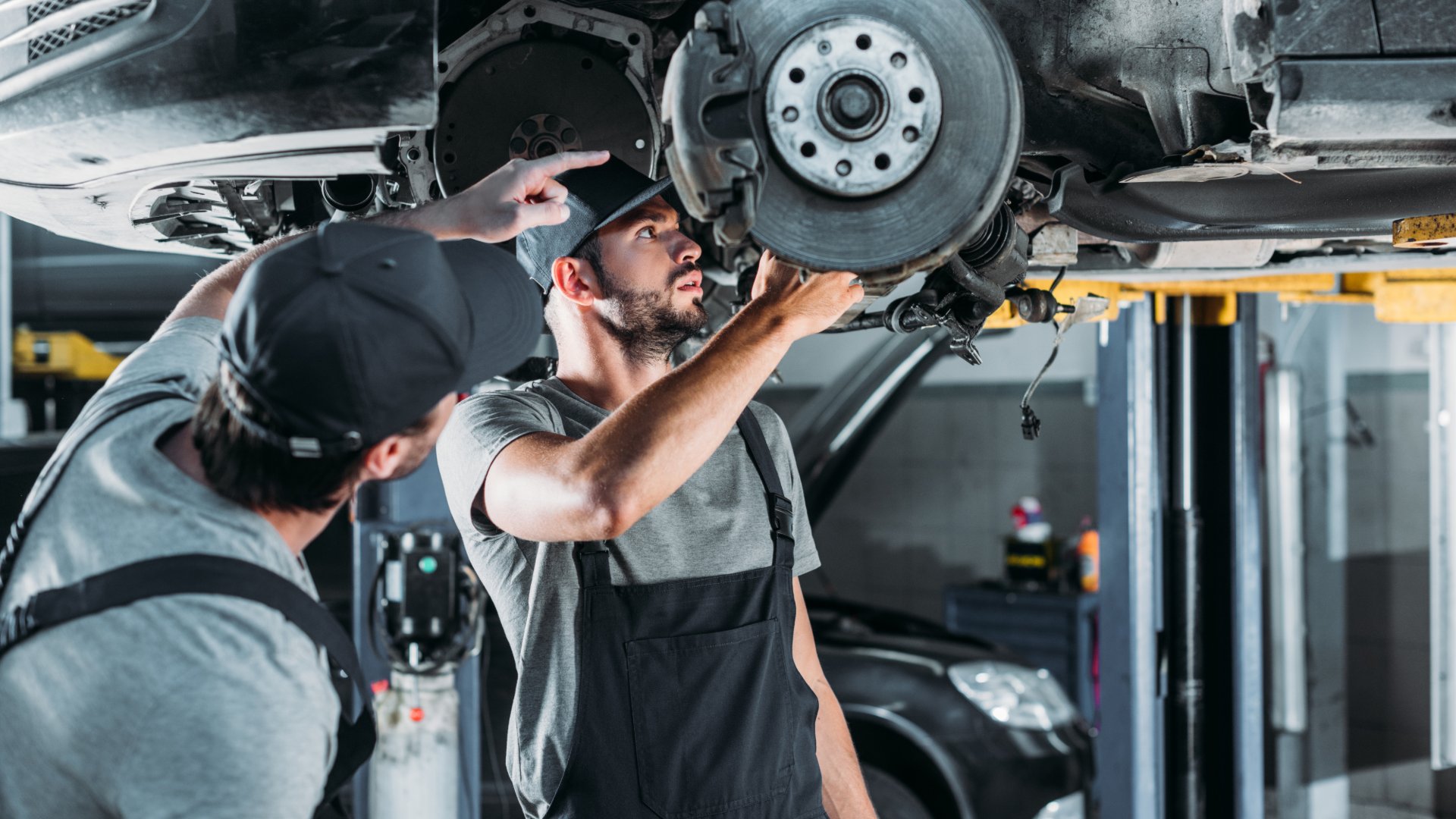
Success in the automotive repair industry comes from steady growth, practical experience, and a willingness to learn something new every day. The many ways for mechanics to build their skills go far beyond time spent under the hood, and every step forward creates new opportunities in the shop. From electrical diagnostics to advanced scan tool use, every new ability adds value for both technicians and customers. If you'd like to sharpen your knowledge and tackle repairs with greater confidence, now is the perfect time to invest in your professional development.
Build a Strong Foundation Before Chasing Advanced Repairs
Every experienced mechanic started with the basics. A solid understanding of engines, brakes, steering, suspension, electrical systems, and drivetrains creates a reliable base for future growth. Complex repairs become far less intimidating after the fundamentals feel second nature. Even veteran technicians revisit basic procedures from time to time because strong habits lead to consistent results.
Practice also deserves plenty of time and attention. Reading repair procedures helps, yet real progress comes from hands-on work. Every completed repair teaches lessons that no textbook can fully capture. Over time, those experiences create confidence that carries into more challenging jobs.
Stay Current With Modern Vehicle Technology
Vehicles continue to evolve at a rapid pace. Advanced driver assistance systems, hybrid powertrains, electric vehicles, and sophisticated computer networks have transformed the repair process. Mechanics who stay current remain ready for the vehicles that arrive in the service bay every day.
Industry publications, manufacturer service information, and technical training programs all provide valuable updates. New diagnostic strategies appear alongside new vehicle designs, so continuous education becomes part of a successful career. A technician who understands today's technology stands apart in a competitive market.
Learn Diagnostic Skills Instead of Guesswork
Replacing parts without proper testing wastes both time and money. Skilled mechanics develop a systematic approach that identifies the root cause before any repair begins. Voltage tests, pressure readings, scan tool data, and visual inspections all contribute to an accurate diagnosis.
For example, a vehicle with an intermittent electrical fault may point toward several possible causes. A careful technician checks wiring, connectors, grounds, and circuit operation before selecting replacement parts. That disciplined process builds trust with customers and strengthens professional credibility.
Master Automotive Electrical Systems
Electrical repairs have become part of everyday work in nearly every repair shop. Sensors, modules, communication networks, and electronic accessories all rely on dependable wiring connections. Mechanics who understand circuit operation gain an advantage across countless repair situations. Identifying the key features to compare in modern automotive connectors will help you keep electrical systems secure in any vehicle.
Spend time learning wiring diagrams, connector identification, voltage drop testing, and continuity checks. Familiarity with quality replacement connectors also supports durable repairs whenever damaged factory connectors require replacement. Small details inside an electrical repair can prevent future problems and reduce repeat visits.
Practice With Diagnostic Equipment
Modern diagnostic equipment offers far more than trouble code retrieval. Scan tools display live data, module communication, sensor values, actuator controls, and system tests that reveal valuable information. Mechanics who become comfortable with these features solve problems faster and with greater accuracy.
Instead of relying on default settings, explore every function available on your equipment. Review recorded data after repairs and compare normal operating values across different vehicles. Each session expands your understanding and prepares you for future diagnostic challenges.
Work Alongside Experienced Technicians
Few learning opportunities compare with guidance from seasoned professionals. Veteran mechanics have encountered unusual failures, rare vehicle problems, and creative repair solutions throughout their careers. Their experience helps newer technicians avoid common mistakes and develop practical habits.
Observe repair techniques whenever possible. Ask thoughtful questions after difficult jobs, then apply those lessons during future repairs. Every shared experience becomes another building block in your professional growth.
Pursue Professional Certifications
Professional certifications demonstrate commitment to high standards. Employers appreciate technicians who invest time into expanding their knowledge, and customers gain confidence from recognized credentials. Certification preparation also encourages deeper study across multiple vehicle systems.
The learning process extends beyond the examination itself. Reviewing repair procedures, diagnostic theory, and system operation strengthens overall technical ability. That knowledge remains valuable long after the certificate arrives.
Develop Better Communication Skills
Technical ability represents only part of a successful career. Mechanics also benefit from clear communication with service advisors, coworkers, and customers. Straightforward explanations help customers understand repair recommendations without unnecessary technical language.
Good communication also improves teamwork inside the shop. Accurate repair notes, detailed inspection reports, and productive conversations reduce confusion between technicians. A well-organized shop operates more efficiently because everyone shares the same information.
Create Personal Learning Habits
Professional growth becomes easier with consistent routines. Set aside time each week for technical articles, repair videos, service bulletins, or manufacturer updates. Small amounts of regular study produce noticeable improvement over several months.
Keep a notebook with unusual repairs, successful diagnostic strategies, and lessons learned from difficult jobs. That personal reference grows into a valuable resource whenever similar problems appear again. Continuous improvement rarely comes from one large breakthrough; steady progress delivers lasting results.
Expand Your Experience Across Different Vehicle Types
Working on various makes and models exposes mechanics to different engineering approaches. Domestic, Asian, and European manufacturers each present unique repair procedures, diagnostic methods, and electrical designs. Broader experience strengthens problem-solving abilities across the board.
Commercial vehicles, fleet equipment, and specialty applications also introduce valuable lessons. Exposure to diverse repair environments develops flexibility and prepares technicians for a wider range of customer needs. Every unfamiliar vehicle becomes another chance to expand your capabilities.
Invest in Quality Tools and Equipment
Reliable tools support accurate repairs and improve efficiency throughout the workday. Precision measuring tools, electrical testing equipment, torque wrenches, and diagnostic devices all contribute to professional results. High-quality equipment also provides dependable performance through years of daily use.
Take care of every tool in your collection. Organized storage, regular calibration, and proper maintenance extend equipment life and improve productivity. A well-equipped technician works with greater confidence because dependable tools support every repair.
Building Toward Long-Term Success
Every mechanic develops through curiosity and practical experience. The best ways for mechanics to build their skills include technical education, hands-on practice, stronger diagnostic habits, better communication, and continuous exposure to new vehicle technology.
Those efforts create confidence that customers recognize and employers appreciate. Continue investing in your knowledge, refine your repair techniques, and choose dependable automotive components whenever electrical repairs require replacement. Every new skill adds another layer to a rewarding and successful career in the automotive industry.