


Ways the Dairy Industry Eliminates Harmful Bacteria in Milk
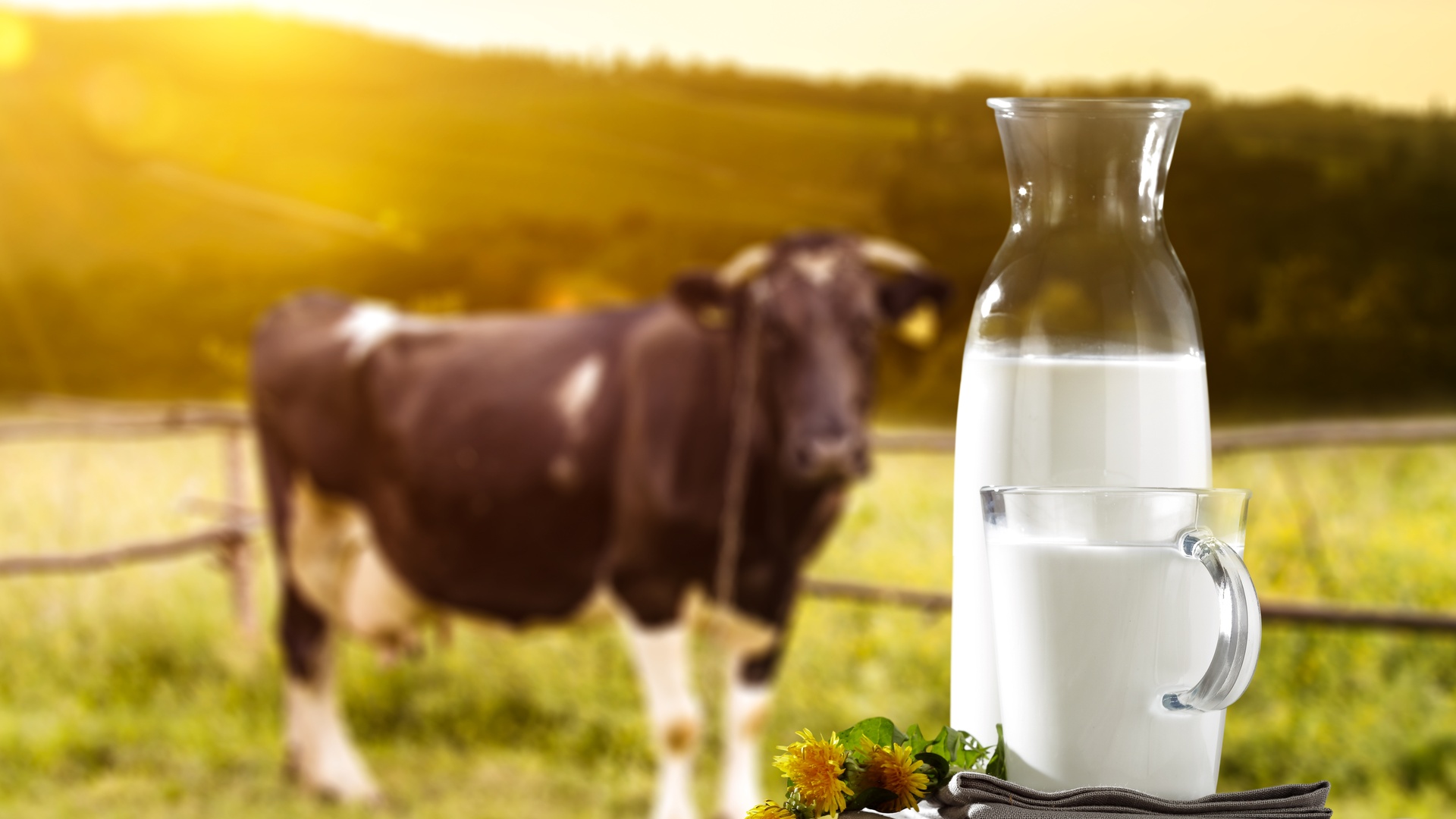
Milk is one of the most widely consumed beverages in the world, but keeping it safe for consumption is no small task. Contamination can enter milk during production, so the dairy industry uses multiple methods to eliminate harmful bacteria. These include a mix of time-tested techniques and modern innovations, all aimed at protecting public health. Let’s dive into the key processes that keep your milk fresh, safe, and delicious.
Pasteurization
Pasteurization is one of the most effective ways to kill harmful bacteria in milk. This process involves heating milk to a specific temperature for a set time, such as 161°F for 15 seconds in high-temperature, short-time (HTST) pasteurization. The heat destroys bacteria like Salmonella, E. coli, and Listeria without lowering the milk’s nutritional value. After heating, the milk is quickly cooled to prevent any remaining bacteria from multiplying. Pasteurization has been a cornerstone of dairy safety for over a century, making it a trusted method for protecting consumers.
Filtration
Filtration is another critical step in removing bacteria and impurities from milk. This process uses specialized filters with tiny pores to trap contaminants while allowing the liquid to pass through. To select the right filter for the job, dairy farmers must understand filter micron ratings. Filters with smaller micron ratings capture finer particles, including some bacteria, making them essential for high-purity applications.
UV Treatment
Ultraviolet (UV) treatment is a modern, non-thermal method for eliminating bacteria in milk. UV light disrupts bacterial DNA, rendering them inactive and unable to reproduce. This method preserves the natural flavor and nutrients of milk, as it doesn’t involve heat. While UV treatment isn’t as widely used as pasteurization, it’s gaining popularity as a supplemental safety measure.
Equipment Sanitization
Proper sanitization reduces the risk of bacteria entering the milk during collection and processing. Workers sanitize milking machines, storage tanks, and pipelines to remove residue and bacteria. This involves using hot water, steam, or approved cleaning agents to scrub every surface that comes into contact with milk.
The dairy industry uses a combination of techniques to protect milk from harmful bacteria, ensuring it’s safe and enjoyable for consumers. These methods include pasteurization, filtration, UV treatment, and rigorous equipment sanitization. This multi-layered defense against contamination includes traditional practices and modern innovations. Next time you pour a glass of milk, you can feel confident in the effort that goes into keeping it clean and safe.