


Top 5 Design Trends for Blending Nature and Indoors
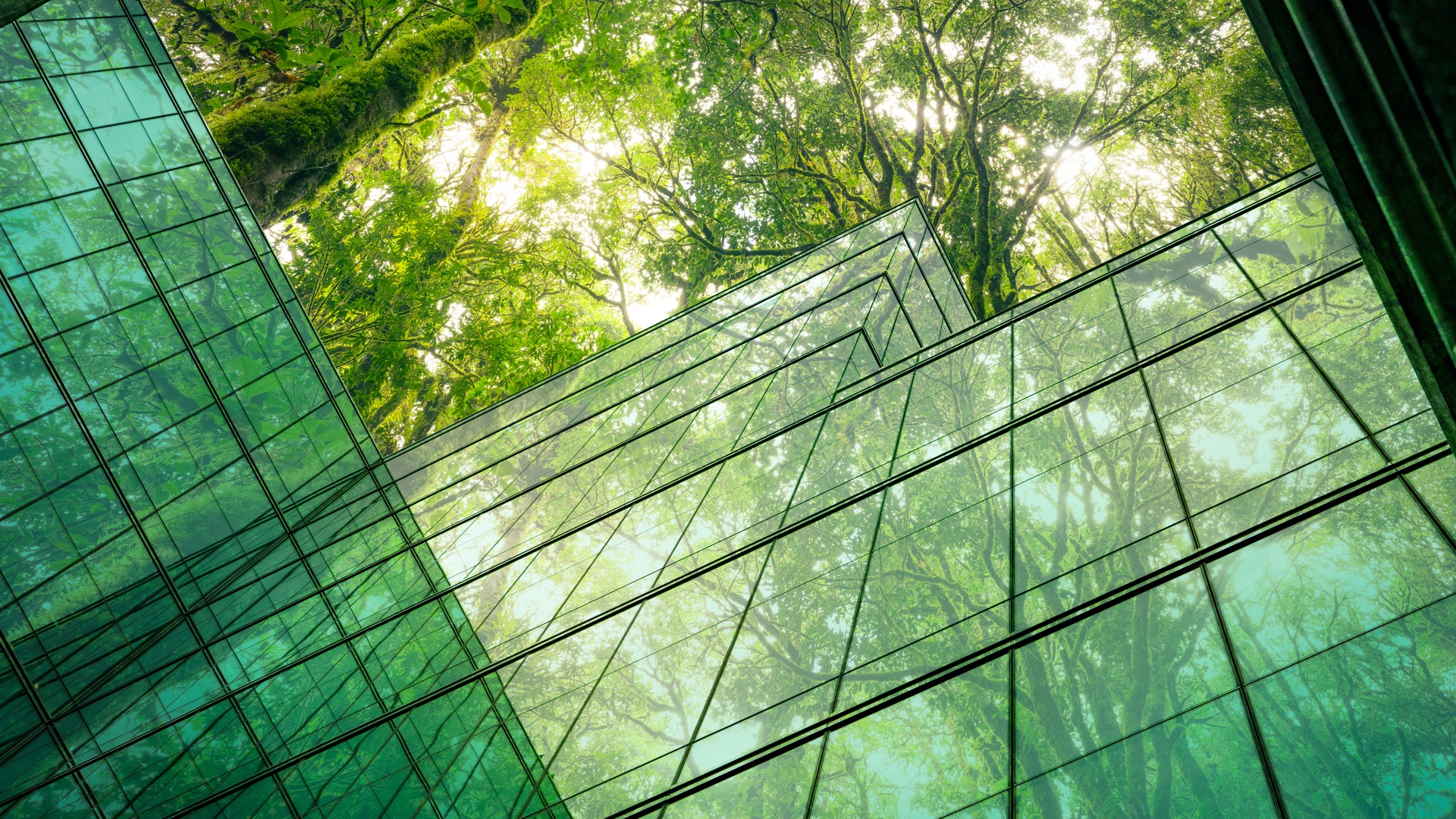
Bringing the outdoors inside has evolved from a passing trend into an architectural movement that transforms commercial and public spaces. The trend of blending nature and indoors has gained momentum as building developers recognize the profound impact these spaces have on occupant wellbeing and property value.
From maximizing natural light to incorporating indoor plants through biophilic design principles, these five trends create environments that connect people with nature.
Maximizing Natural Light Through Strategic Openings
Natural light serves as the foundation for connecting indoor spaces with the outdoor environment. Architects now design buildings with floor-to-ceiling windows, skylights, and light wells that flood interiors with daylight. These expansive openings reduce energy consumption while creating visual connections to exterior landscapes.
You can implement natural light into your building by:
- Install clerestory windows to capture overhead light
- Use light-colored interior finishes to reflect natural illumination
- Position workspaces near large windows when possible
Living Walls and Vertical Gardens
Vertical green systems bring nature directly into building interiors while maximizing limited floor space. These installations purify air, regulate humidity, and provide visual interest that changes with the seasons.
From moss walls to hydroponic systems, living walls offer flexibility for different maintenance requirements and aesthetic preferences. Modern irrigation systems make these installations feasible for commercial buildings, while automated nutrient delivery maintains plant health with minimal intervention.
Biophilic Design Elements in Architecture
Biophilic design goes beyond simply adding plants to incorporate natural patterns, materials, and forms into the very structure of buildings. This approach includes using wood grain motifs in metal facades, incorporating water features such as fountains or small ponds, and designing interiors and exteriors that mimic natural environments like lush forest clearings, canyon vistas, or meandering streams. These elements are intended to create a calming and rejuvenating atmosphere.
Natural Material Integration
Raw materials like stone, reclaimed wood, and exposed concrete connect building occupants with natural textures and colors. These materials age gracefully, developing patinas that mirror natural weathering processes. When combined with modern construction techniques, natural materials create spaces that feel both contemporary and timeless.
Building developers can incorporate creating mid-door environments through metal mesh systems that provide acoustic buffering while maintaining visual connections to outdoor spaces.
Indoor Plant Collections and Green Zones
Strategic placement of indoor plants transforms sterile commercial environments into vibrant, living spaces. Large-scale plantings create micro-climates that improve air quality and provide psychological benefits. Grouping plants by watering and light requirements simplifies maintenance while creating a dramatic visual impact.
These nature-inspired approaches to commercial design demonstrate how blending natural elements with indoor architecture creates healthier, more productive environments. Building developers who embrace these trends position their properties at the forefront of modern workspace design, attracting tenants who value wellness and environmental connection.