


Tight budget, higher pay — County FY2027 budget prioritizes employee raises while tightening spending
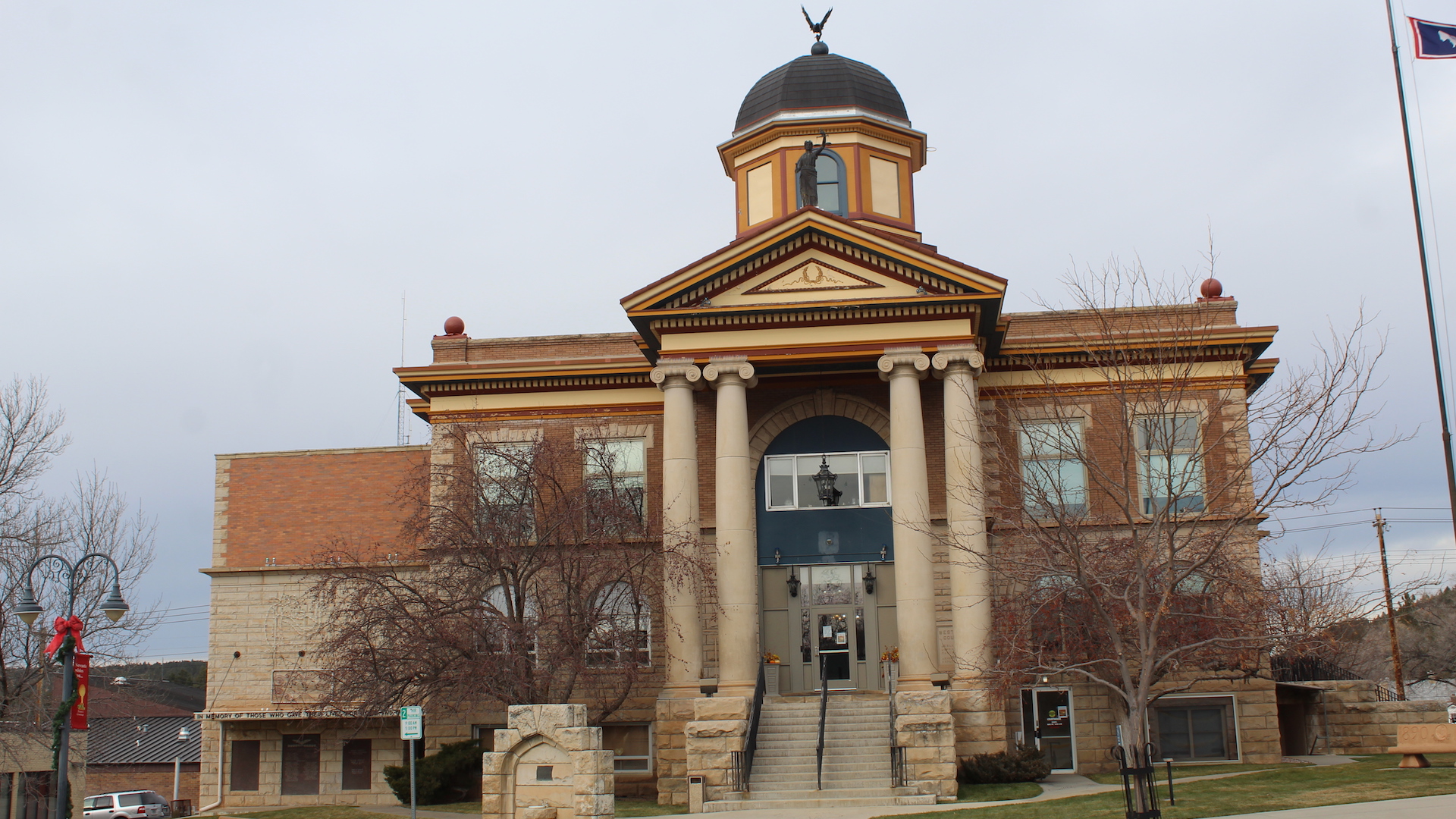
Weston County commissioners unanimously approved the county’s fiscal year 2027 budget after weeks of workshops and discussions, adopting a spending plan that prioritizes employee retention with a 3% pay increase while limiting discretionary spending and relying less on emergency reserves.
The approved budget totals $12.38 million, an increase of about $481,300 over the fiscal 2026 budget of $11.9 million. Despite the higher overall budget, the county slightly reduced its requested tax levy from 12 mills to 11.995 mills, lowering the amount requested from property taxes from $2,069,325.79 in fiscal 2026 to $2,068,407.11 in fiscal 2027.
Commission Chairman Nathan Todd said the budget process was driven by one primary objective.
“One thing we did figure into this budget cycle was a 3% increase to all employees in the county under the county umbrella. I’m talking everybody minus the elected officials,” Todd said. “The elected officials at all levels in the county got zero increase. The rest of the employees were attempting a 3% increase here for the year.”
He acknowledged the raises left the county with less flexibility than in previous years.
“It left us a little tight, but we still have some funds available in the event we have problems,” Todd said.
Less room for emergencies
Todd noted that, unlike previous years, commissioners were unable to set aside as much money for unforeseen expenses. He said some funds were put into line items such as grounds and maintenance to help if things do arise.
“In the past we’ve allotted a fair amount of money into an account for kind of our emergency funds when bad things happen …, and we didn’t do that again this year,” he said. “There’s just not a lot of extra there.”
Commissioner Marty Ertman said the board intentionally shifted its priorities away from discretionary spending and toward planned replacement of aging equipment.
Department heads identified needs such as aging copiers and improvements to the county phone system during budget workshops, she said.
“We tried to focus on that and put that into depreciation so that we could get those now ... without this emergency type thing,” Ertman said.
She added that departments should expect tighter spending throughout the coming fiscal year.
“We pulled back on our discretionary funds. So we’re hoping that everybody understands that there’s not a lot of discretionary funds. …,” Ertman said. “Our focus was exactly like the chairman stated — we were really focused on that 3%.”
Ertman also noted that wage increases carry additional costs beyond salaries, including health insurance and other employee benefits, while the county continues to face uncertainty over future reductions in state funding.
“So many times we’re told that the 25%, the 50% break …, while they don’t seem like a lot, it’s all these little tiny niches that we’re getting dinged with,” she said.
Largest budget categories
The county’s largest individual department appropriations remain Other County Accounts at $5.92 million, followed by Road and Bridge at $1.28 million, the Sheriff’s Office at nearly $699,000, the Law Enforcement Complex at about $618,000, and the Courthouse at $654,000. Commissioners also budgeted $500,000 for County Road Fund projects.
Within the Other County Accounts category, the largest expenditures include:
Health insurance: about $1.25 million
Retirement: $785,400
Depreciation: $625,000
Road Construction CRF Maintenance Fund Road and Bridge: $437,679
Gravel and road materials: $318,000
Insurance: $300,000
Biggest changes from fiscal 2026
While many departments saw only modest increases reflecting salary adjustments and inflation, several accounts changed significantly compared with the fiscal 2026 budget.
The Road and Bridge budget decreased from $1.66 million in fiscal 2026 to $1.28 million, while the District Court budget increased from about $224,000 to more than $268,000. The Sheriff’s Office budget increased by roughly $38,000, and the Law Enforcement Complex increased by approximately $46,000. Library funding also rose from about $292,000 to nearly $317,000.
The reserve funds also shifted considerably.
The county’s unrestricted cash reserve remained at $3.37 million, but the depreciation reserve balance declined from roughly $929,000 to about $429,000. Meanwhile, the Road Construction Blade Reserve doubled from $100,000 to $200,000, and the county’s road reserve decreased by more than $446,000. Fuel reserves increased slightly to about $161,000.
Ertman said those changes reflect planned equipment purchases rather than unrestricted spending.
She addressed comments circulating on social media claiming the county has roughly $14 million available in reserves, saying many reserve accounts are legally restricted.
For example, she said, the county road reserve can only be used under statutory guidelines for road construction and maintenance, while the fuel reserve exists to eventually replace Road and Bridge fuel tanks and pumps.
She also noted that the county previously transferred money from the depreciation reserve to purchase a new road blade, which accounts for one of the largest reserve changes in the budget. Once that arrives, Ertman said, that depreciation account will be significantly lower.
1% sales tax projects
The county made only a handful of changes to its additional 1% sales tax projects for fiscal 2027, leaving the vast majority of provider-of-service funding unchanged from the previous fiscal year.
The total allocated for these projects declined from $273,796.70 in fiscal 2026 to $259,996.70 in fiscal 2027, a reduction of about $13,800.
Funding remained level for nearly every community organization receiving support, including Newcastle Ambulance ($32,602.50), In-Home Health Services ($6,000), Children’s Center ($12,750), Volunteers of America ($8,500), Newcastle and Upton chambers of commerce ($2,300 each), record retention ($10,000), Upton Ambulance ($15,000), Mallo Camp ($40,434.20), Courthouse Security ($26,000) and numerous other community programs.
The most notable changes came in just a few line items.
GIS Land Records increased from $24,000 to $32,200, while Search and Rescue rose from $4,000 to $7,000.
Meanwhile, Natural Resource/Hazardous Waste funding was eliminated, dropping from $4,000 in fiscal 2026 to zero in fiscal 2027.
Ensure These Stories Are Told
Despite the challenges facing independent local journalism, what sustains us — and fills us with deep gratitude — is the loyal support of readers who believe our communities deserve accurate, trusted, and locally rooted news.
It is no exaggeration to say that we are here because of you. Every story we report, every local issue we follow, every public meeting we cover, and every community voice we lift up is made possible by readers who understand the value of an independent newspaper.
Your support does more than fund articles. It helps protect the independence that allows us to report honestly, ask important questions, and keep our community informed without fear or favor.
If you are able, please consider supporting the News Letter Journal by donating to our Unabridged Fund today. Whether your gift helps cover reporting time, printing costs, video, photography, editing, or distribution, every contribution helps keep local journalism strong in Wyoming.
All gifts are deeply appreciated. Your support helps ensure that local stories continue to be told, local decisions continue to be watched, and local voices continue to be heard.
Thank you for standing with independent community journalism.