


Safety Tips for Delivering Industrial Equipment to a Jobsite
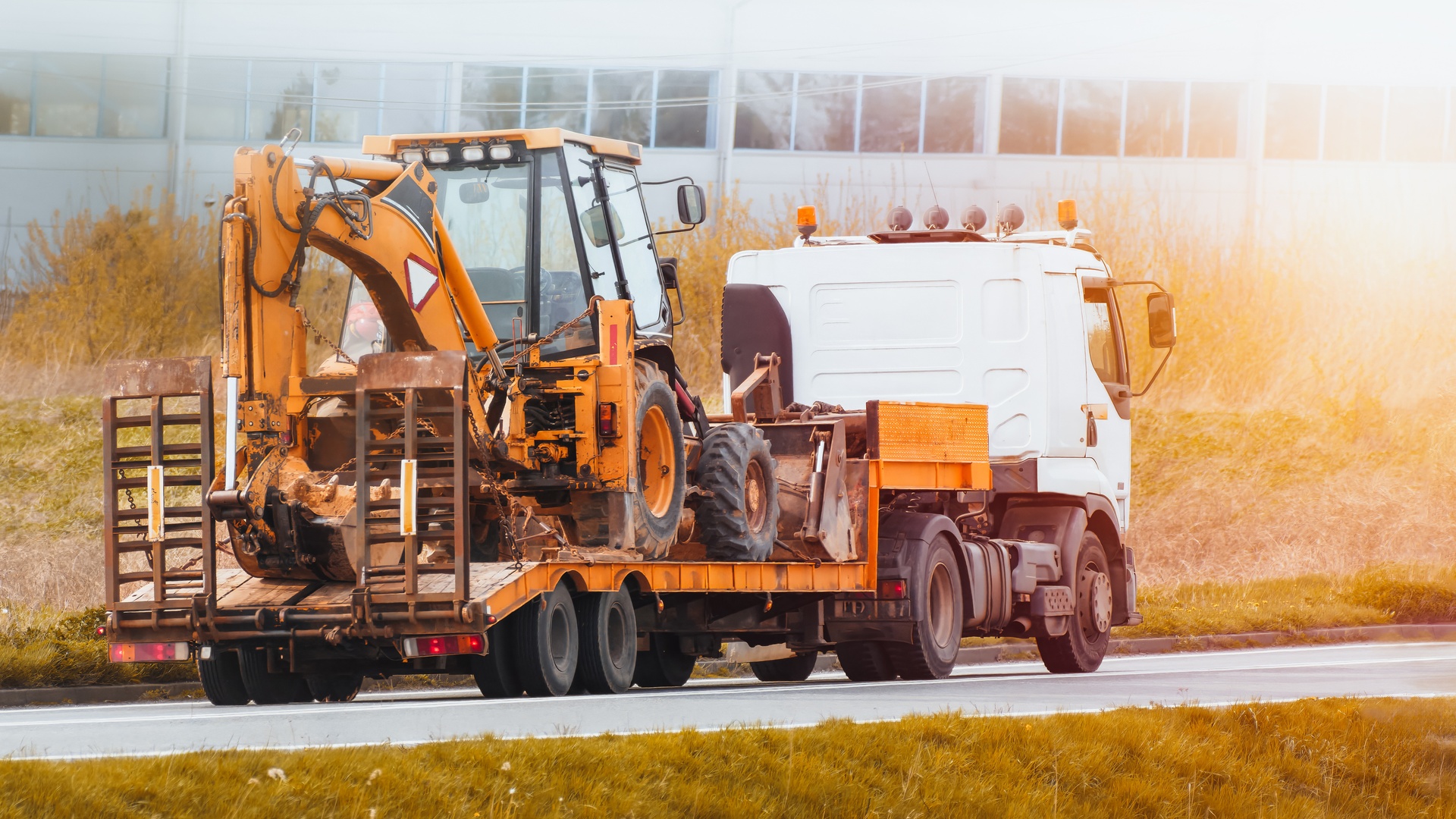
Moving heavy industrial equipment from one place to another is a complex task. A construction site or a factory floor can be a chaotic environment, and the arrival of a massive piece of machinery adds another layer of activity. A successful delivery depends on careful planning and execution, so it’s wise to follow some core safety tips for delivering industrial equipment to a jobsite.
Communication Matters
First, communication is critical. A key reason why specialized trucks matter for industrial deliveries is that they improve safety standards. However, clear communication is still important to ensure the driving and unloading process occurs safely.
Before the truck even leaves the yard, the delivery team, the site supervisor, and the equipment operators need to be on the same page. This includes a clear plan for the truck's route on the site, the exact drop-off location, and the schedule. A pre-delivery meeting or call can sort out many potential issues before they become problems.
Site Assessment
Upon arrival, a thorough site assessment is the next step. The driver and a site representative should walk the planned path to the drop-off point. They need to look for ground instability, overhead obstructions like power lines, and any other personnel or vehicles that might be in the way. For example, recent rainfall might have softened the ground, which requires mats for the truck to travel over safely.
Unloading the Equipment
The process of unloading the equipment is where risks can be highest. The team needs to use the right gear, from cranes to forklifts, all of which must be rated for the equipment's weight. Everyone directly involved in the unloading process should wear proper personal protective equipment (PPE), such as hard hats, steel-toed boots, and high-visibility vests. A designated spotter should guide the operator, with clear, agreed-upon hand signals.
Securing the Equipment
Once the equipment is off the truck, the job isn’t quite complete. It needs to be carefully moved to its final position and secured. This might involve chocks for wheeled machinery or placement on a prepared concrete pad. The area should remain clear of unnecessary personnel until the equipment is stable and the delivery team has officially handed it over to the site crew.
A smooth delivery is a safe one. With good coordination and attention to the surroundings, the process can be straightforward and free of incidents. Use these safety tips for delivering industrial equipment to a jobsite to protect the machinery, the property, and most of all, the people involved.