


Random Items You Can Find on a Livestock Farm
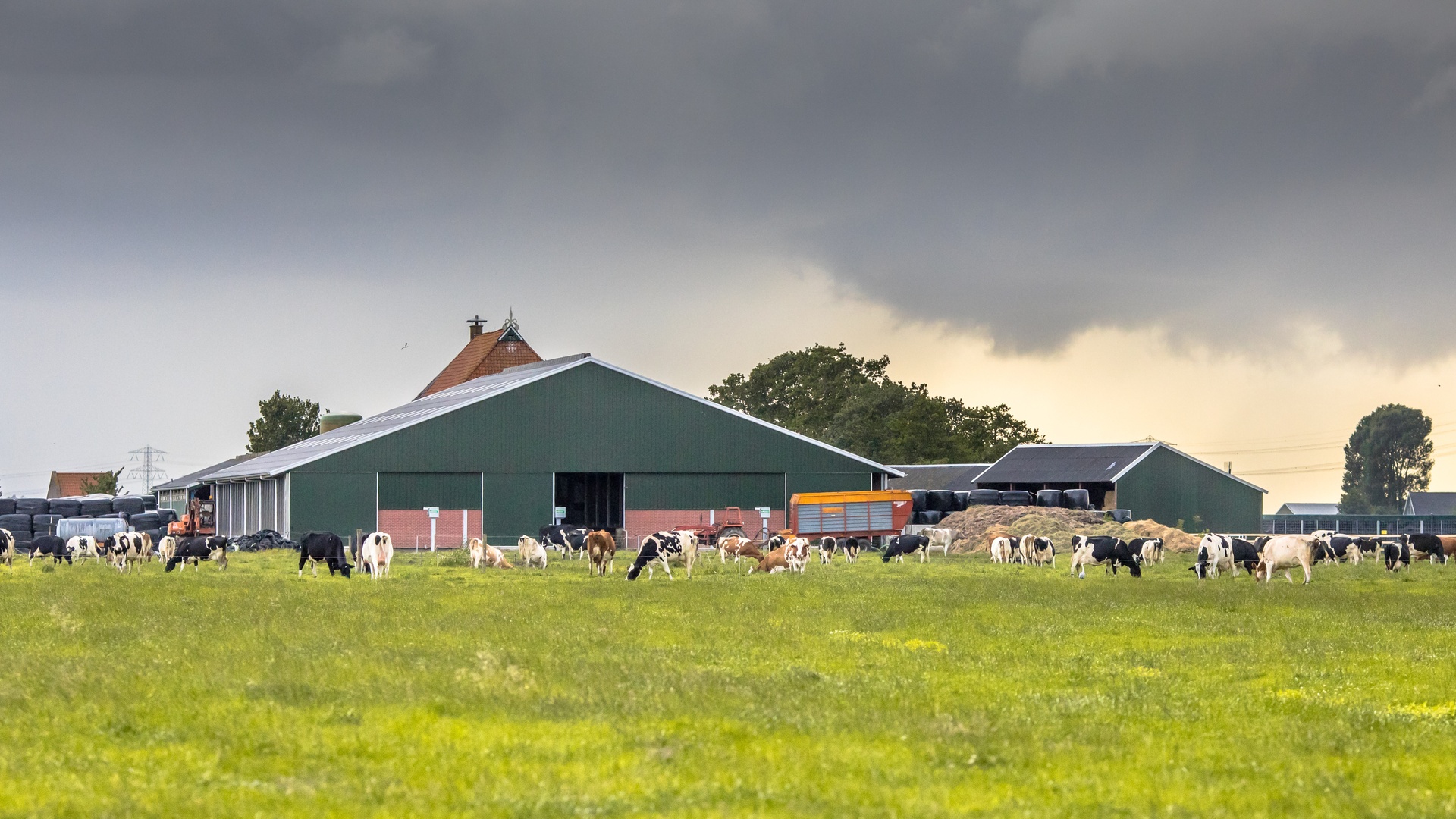
Livestock farms house much more than animals and feed. Walk through any working farm, and you’ll discover an eclectic mix of essential tools, unexpected equipment, and surprising oddities that keep operations running smoothly.
From vintage machinery tucked away in barns to modern technology monitoring animal health, these farms accumulate items that tell stories of agricultural evolution and daily necessity. Let’s meander through the random items you can find on a livestock farm, and why they might be there in the first place.
Shovels and Manure Forks
Every livestock farm stockpiles shovels and manure forks in abundance. You’ll find them propped against barn walls, hanging from hooks, and scattered throughout feeding areas. These workhorses handle everything from mucking stalls to moving feed.
Manure forks deserve special recognition—their tines separate easily through bedding while retaining waste materials. Most farms own at least a dozen, since they break frequently and disappear into the most inconvenient locations.
Buckets and Feeders
Buckets multiply on farms like rabbits. Farmers collect them in various sizes, colors, and states of repair. Old feed buckets become water containers, water buckets transform into tool carriers, and cracked buckets find new life as storage vessels.
Feed containers range from simple rubber tubs to sophisticated automated systems. Many farms mix old-fashioned methods with modern convenience, creating interesting contrasts between equipment generations.
Tractors
Tractors anchor most livestock operations, but farms often accumulate multiple models spanning decades. The newest tractor handles heavy daily work, while older machines serve specialized purposes or wait as backup options.
These mechanical collections create fascinating machinery graveyards where farmers cannibalize parts and preserve agricultural history simultaneously.
Livestock Scales
Modern livestock scales help farmers monitor animal health and calculate feed conversions accurately. However, these precision instruments require regular maintenance to function properly.
Livestock scales often throw signs that the load cells are broken. These might include the following:
- Inconsistent weight readings between measurements.
- Digital displays showing error messages.
- Weights that don’t return to zero after removing animals.
- Unusual fluctuations during weighing sessions.
Farmers often keep backup scales or manual weighing systems when electronic equipment fails during critical times.
Medications and Vaccines
Farm medicine cabinets resemble small veterinary clinics. Refrigerated vaccines share space with antibiotics, wound treatments, and nutritional supplements. Expiration dates create ongoing inventory challenges, leading to accumulations of nearly expired products.
Most farms maintain detailed medication records, but you’ll still find mysterious bottles with faded labels tucked into corner cabinets.
Ear Tags and Branding Irons
Identification systems generate substantial supply collections. Numbered ear tags fill storage containers, while backup applicators and replacement parts accumulate in workshop areas.
Traditional branding irons rest alongside modern alternatives and reflect changing identification preferences and animal welfare considerations.
Antique Tools
Farms preserve agricultural artifacts almost accidentally. Hand-cranked cream separators gather dust in barn corners. Vintage hay forks hang from rafters. Old-fashioned milk cans serve decorative purposes while maintaining functional potential. These antiques often surprise visitors who expect only modern equipment on working farms.
Livestock farms accumulate random items through necessity, tradition, and practical planning. Each object serves purposes that extend beyond initial intentions, creating complex inventories that support agricultural operations in surprising ways.