


The Problem With Building on Former Industrial Land
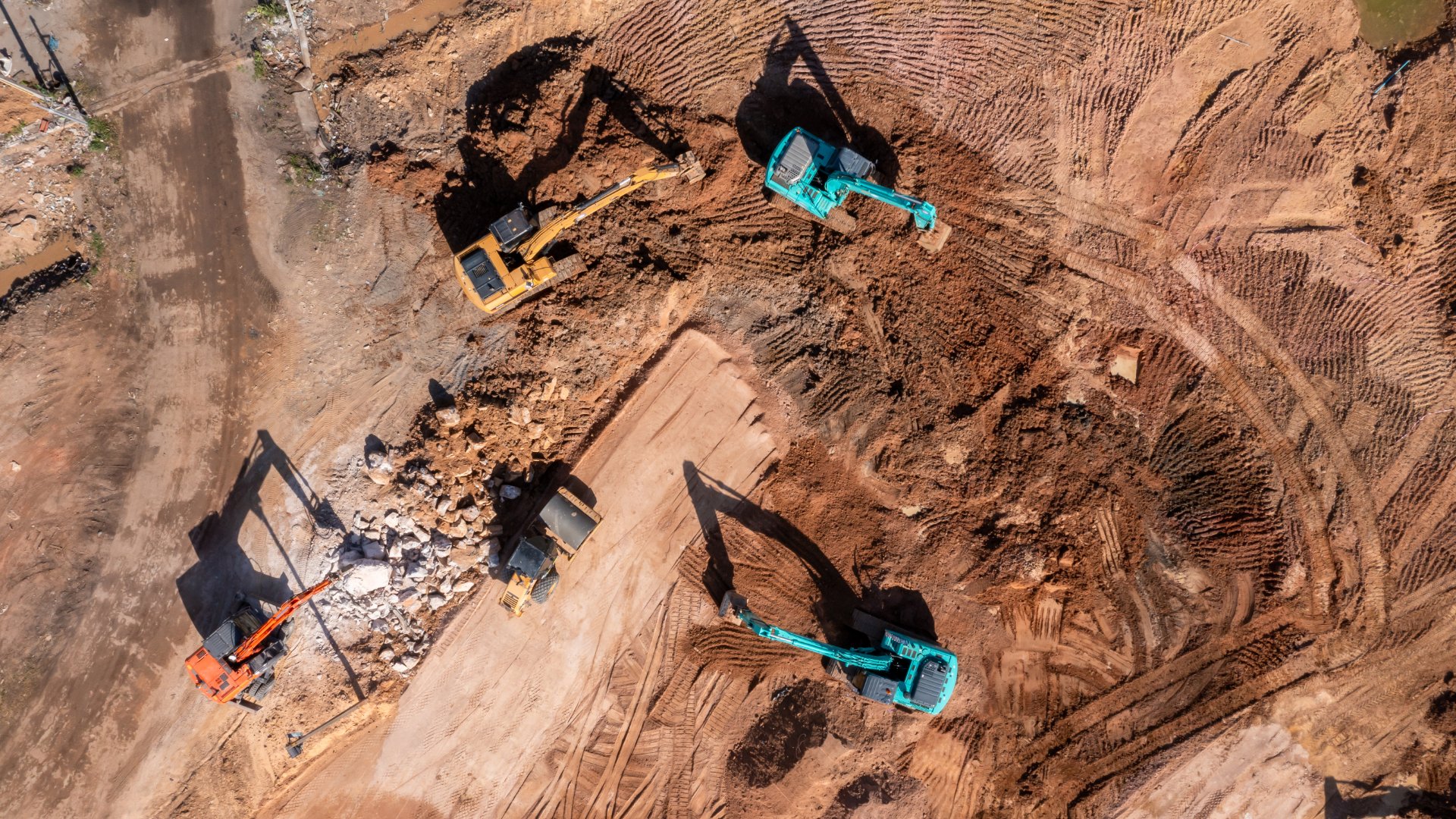
An empty industrial lot can look like a bargain when you're looking for somewhere to build. The property already has a driveway, and the location seems right for your plans. However, the ground beneath the gravel deserves a closer look.
Across Northeast Wyoming and Southwest South Dakota, former industrial properties offer opportunities for businesses and communities looking to reuse existing land. Still, you'll understand the problem with building on former industrial land much better once you look beyond the asking price.
An Empty Lot Still Has a History
Before you picture your new building, find out what occupied the land previously. An equipment repair business might have stored fuel on-site, or it may have been an old maintenance yard where workers filled low spots with leftover construction material. Neither history automatically makes the property unsafe, but both warrant a closer look.
Start with the seller. Ask what businesses operated there and whether anyone removed underground storage tanks. Local property records and historical aerial photographs can help fill in the gaps.
Don't ignore neighboring properties, either. Activities next door sometimes affect the land you want to purchase. A former industrial site needs more homework than an ordinary vacant lot.
Don't Skip the Environmental Assessment
A clean-looking surface doesn't tell you whether a property has contamination concerns. Before buying, ask an environmental professional about a site assessment. This review examines historical uses and available records to identify signs of potential contamination.
Watch for What Previous Owners Left Underground
Even a property with no contamination concerns can still surprise a construction crew. Old concrete foundations remain beneath gravel long after workers demolish the original buildings. Crews also encounter forgotten utility lines where an earlier structure once stood.
Imagine buying a former repair yard near Newcastle. You plan a simple foundation, but the excavator hits a thick concrete slab a foot below the surface. Suddenly, your crew needs extra time to break apart the obstruction and haul it away.
Ask about previous structures before you start excavating. Finding an obstacle during planning is far easier to handle than discovering it after you've rented equipment.
The Soil May Not Support Your Original Plans
A lot that carried parked machinery for decades won't necessarily support a new building the way you expect. Previous owners sometimes move earth around a property or fill an old excavation. Your engineer needs to know whether the ground will support the foundation you have in mind. A geotechnical investigation helps your engineer decide whether the original foundation design needs adjustments.
For certain foundation methods, working with casing in drilling projects helps crews keep a drilled hole stable in loose ground. It's one specialized solution, though, and not every former industrial lot requires extensive drilling. The key is choosing the right foundation after understanding the site.
Put Unexpected Costs Into the Purchase Plan
A low land price loses its appeal quickly when surprise expenses begin piling up. Additional testing increases your upfront costs. If crews uncover old concrete, removal adds another charge.
Before committing to a property, get clear answers to a few practical questions:
- Who pays for environmental assessments before closing?
- What happens if testing identifies contamination?
- Will the agreement give you enough time to investigate the site?
- Who handles unexpected materials found during excavation?
Discuss these issues with your real estate attorney and the people preparing your construction estimate.
You should also understand how unexpected discoveries affect the purchase agreement. If testing reveals a serious problem, you don't want your options to depend on an undocumented conversation.
Make Sure the New Business Fits the Property
A property might pass its environmental review and still be a poor choice for your project. Suppose you want to turn an old storage yard into a small retail business. The existing buildings may look suitable, but local zoning may not permit your proposed use. You'll need to address the zoning issue before moving forward.
Check with the appropriate city or county office before spending money on building plans. Rules differ across communities in Northeast Wyoming and Southwest South Dakota, especially between town limits and rural properties.
Utilities deserve attention, too. A site that once supported a workshop might lack the electrical capacity your proposed building requires. Ask the utility provider about service availability before treating the old connections as a selling point.
Soil Removal Isn't Always a Simple Hauling Job
When crews dig a foundation, they usually need somewhere to put the excavated material. On a former industrial property, don't assume every load of soil belongs at a standard disposal site.
If the environmental investigation raises concerns, ask the appropriate specialist how the project should handle the material. Testing requirements depend on the soil's contents and which rules apply to the property.
Don't Start Digging Without a Plan
If contractors find a suspicious buried container or unusual staining, they should stop work in the affected area and seek professional guidance. Moving questionable material around the lot risks spreading a problem beyond its original location. In some situations, workers need special procedures to handle contaminated material safely.
Give Investigations Room in the Schedule
Suppose you're hoping to open a new shop near Edgemont before winter. You've already discussed a start date with a contractor, but nobody has reviewed the property's industrial history.
If an assessment calls for follow-up sampling, your construction schedule will need to adjust. You might have to postpone excavation while specialists investigate the concern.
Build time for these investigations into the purchase process. Ask your contractor which decisions depend on the results and avoid booking expensive equipment before those decisions are final.
Turn an Old Industrial Site Into a Good Investment
Former industrial land doesn't have to remain empty forever. Reusing an existing site lets you bring a business back to a familiar location and give a neglected property a productive future. The trick is knowing what you're buying before the first truck arrives.
Whether you're considering a former work yard in Northeast Wyoming or an old commercial site in Southwest South Dakota, take the problem with building on former industrial land seriously. Review the property's history and investigate the ground before committing to construction. Most importantly, settle the cost questions before unexpected discoveries turn into expensive disagreements.