


Plumbing Habits That Help Protect Your Sewer System
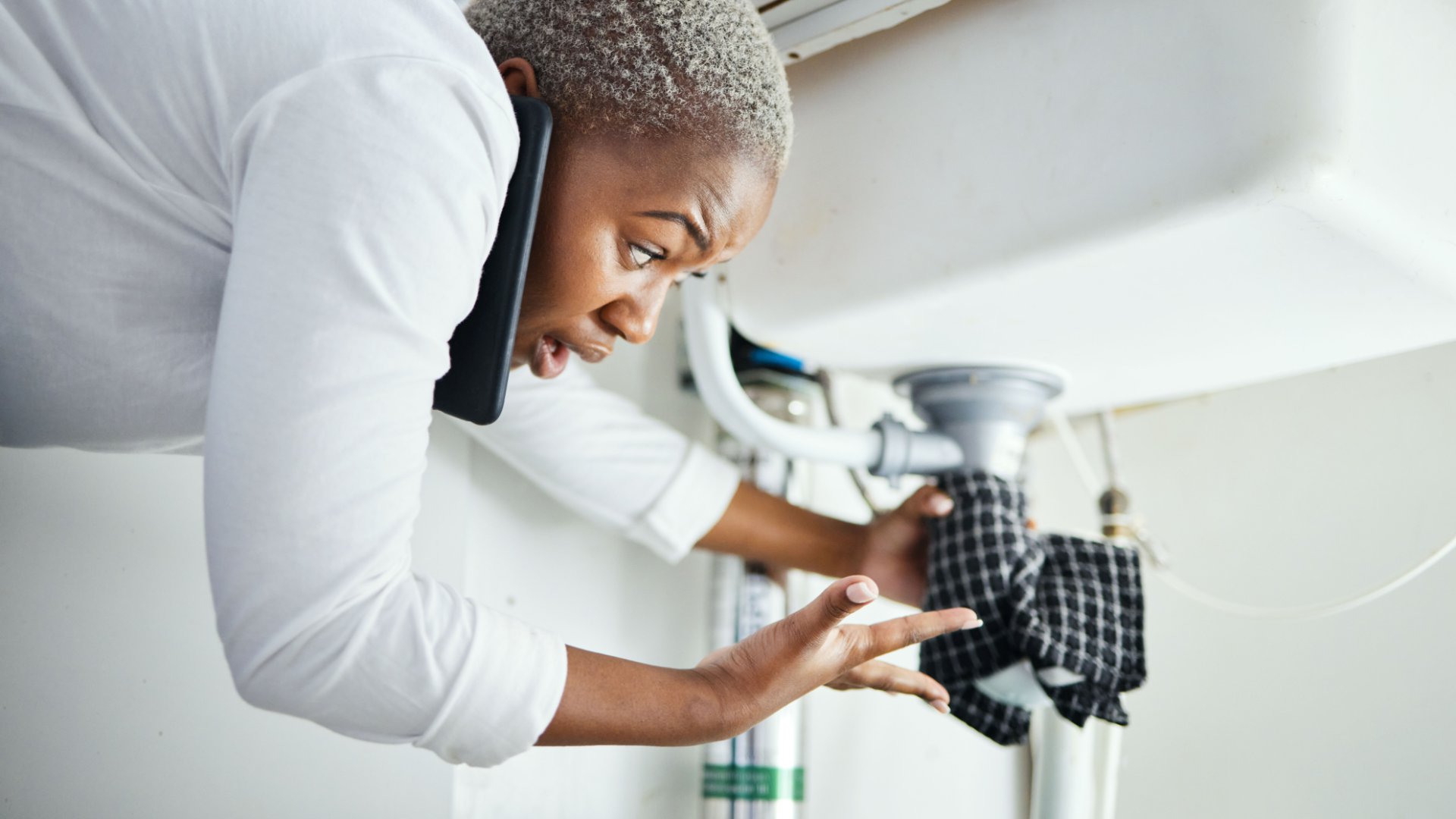
Your home's sewer system works quietly behind the scenes every day, yet small habits can determine whether it continues performing reliably for years. Simple plumbing habits that protect your sewer system reduce unnecessary strain and prevent expensive plumbing problems. Building better routines today protects your pipes, supports healthy drainage, and keeps your household running smoothly.
Start With Smart Drain Practices
Every drain inside your home connects to a larger plumbing network that eventually reaches the sewer line. Daily habits affect that system more than many homeowners realize because even small amounts of waste can accumulate over time. Paying attention to what enters your drain reduces unnecessary buildup throughout the plumbing system. Consistent care also lowers the chance of unexpected backups that interrupt daily life.
Many plumbing issues begin with materials that should never enter household drains. Food scraps, grease, coffee grounds, and personal hygiene products often cling to pipe walls instead of washing away completely. Those materials gradually create blockages that restrict water flow and increase pressure inside the sewer system. Preventing buildup remains much easier than removing stubborn clogs after they develop.
Keep Grease Out of Kitchen Plumbing
Cooking grease causes some of the most common sewer problems in residential plumbing systems. Hot grease may appear harmless when poured down the sink, but it cools quickly and hardens inside drainpipes. Layers continue forming as additional grease sticks to existing residue over time. This buildup narrows the pipe until wastewater struggles to move freely.
Instead of pouring grease into the sink, allow it to cool before placing it in a disposable container for the trash. Wipe greasy cookware with paper towels before washing dishes to reduce residue entering the drain.
Sink strainers also capture food particles before they enter the plumbing system. These simple habits protect kitchen drains while supporting better sewer performance.
Flush Only What Belongs in the Toilet
Many products advertise themselves as flushable, but they often remain difficult for residential sewer systems to handle. Thick wipes, paper towels, feminine hygiene products, and cotton swabs resist breaking down after flushing.
These materials combine with other debris to create stubborn obstructions inside sewer lines. Limiting toilet use to human waste and toilet paper greatly reduces unnecessary plumbing risks.
Good bathroom habits also encourage every family member to protect the home's plumbing. Children especially benefit from learning what belongs in the toilet and what belongs in the trash. Consistent household routines prevent accidental clogs before they become expensive repairs. Everyone contributes to a healthier sewer system through responsible flushing practices.
Watch for Early Warning Signs
Small plumbing problems rarely stay small without attention. Slow drains, unusual odors, or frequent clogs often indicate developing issues somewhere within the sewer system. Homeowners who respond quickly usually avoid larger repairs because professionals can identify problems before significant damage occurs. Early action often saves both time and money.
Ignoring recurring drainage problems allows blockages to worsen. Many homeowners overlook signs your home needs a sewer line inspection because the symptoms appear minor at first. Persistent gurgling sounds, multiple slow drains, or sewage odors deserve prompt evaluation from a plumbing professional. Identifying problems early protects both the plumbing system and the surrounding property.
Protect Outdoor Sewer Connections
Healthy sewer systems depend on conditions outside the home as much as inside. Trees naturally seek moisture, making underground sewer lines attractive sources for growing roots. Large roots can enter tiny pipe openings before expanding into major obstructions that restrict wastewater flow. Smart landscaping decisions help minimize that risk over time.
Avoid planting large trees directly above underground sewer lines whenever possible. Existing trees benefit from periodic monitoring, especially if mature root systems already surround the property. Professional inspections also help identify root intrusion before extensive pipe damage develops. Outdoor awareness complements good indoor plumbing habits for complete sewer protection.
Schedule Preventive Plumbing Maintenance
Routine maintenance allows plumbing professionals to identify developing concerns before emergencies occur. Even well-maintained homes benefit from occasional inspections because hidden problems often remain invisible until damage becomes significant.
Preventive appointments provide valuable information about pipe condition, drainage performance, and overall system health. Homeowners gain peace of mind while reducing the chance of unexpected repairs.
Professional maintenance also supports longer plumbing system life through proactive care. Minor adjustments and early cleaning often prevent larger repairs later. Plumbers can recommend maintenance schedules based on your home's age and surrounding landscape. Regular attention keeps the entire sewer system operating more efficiently.
Everyday Habits That Make a Difference
Small daily routines create lasting benefits for your home's plumbing system.
- Dispose of cooking grease in the trash instead of the sink.
- Install drain strainers in kitchen and bathroom sinks.
- Flush only toilet paper and human waste.
- Run plenty of water after using garbage disposals.
- Schedule routine plumbing inspections before problems appear.
- Watch for slow drains or unusual plumbing odors.
- Keep large tree roots away from underground sewer lines.
Use Water Wisely Throughout the Home
Water helps transport waste through your plumbing system, but thoughtful water use also protects your sewer line. Running enough water while using sinks and garbage disposals helps move debris through the pipes instead of allowing it to settle. Balanced water usage also reduces unnecessary stress caused by sudden heavy drainage demands. Consistent habits encourage smoother wastewater movement every day.
Homeowners should also avoid overwhelming the plumbing system with multiple large water activities at the same time. Spacing out laundry loads or large household cleaning projects supports steadier drainage throughout the day.
This approach allows wastewater to move more efficiently without creating unnecessary strain on aging pipes. Small scheduling adjustments contribute to healthier plumbing over the long term.
Build Good Plumbing Habits for the Future
Implementing simple habits to protect your sewer system rarely requires major lifestyle changes. Consistent daily choices prevent many common plumbing issues while extending the life of underground pipes. Families who practice responsible drain care often experience fewer disruptions and lower long-term maintenance costs. Those benefits continue adding value year after year.
A healthy sewer system supports every part of daily life without demanding constant attention. Preventive habits, early problem recognition, and routine maintenance create a strong foundation for reliable plumbing performance. By making thoughtful decisions each day, homeowners help their sewer systems remain dependable through every season. A little prevention today can spare significant plumbing headaches tomorrow.