


Mistakes To Avoid When You’re a Jeep Owner
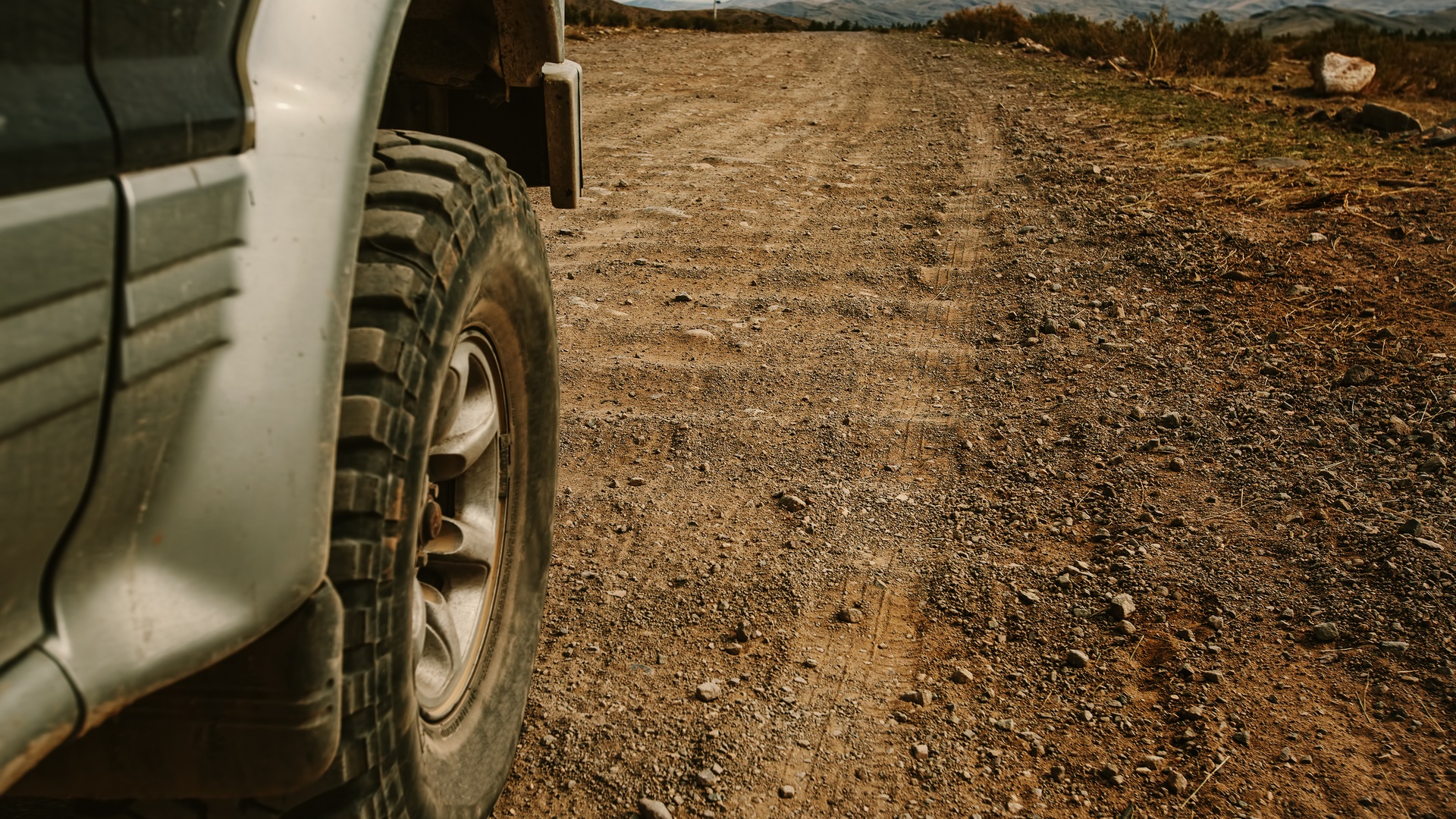
Owning a Jeep is a thrilling experience unlike any other. Whether you’re navigating rugged trails, climbing steep inclines, or cruising the open road, you feel the spirit of adventure in this vehicle. As exciting as Jeep ownership can be, it’s also a big responsibility. Making mistakes with your Jeep—whether through neglect or lack of knowledge—can harm its performance and your driving experience. Thankfully, you can keep your Jeep running smoothly when you know which mistakes to avoid as a Jeep owner.
Forgetting To Check Tire Pressure
Tire pressure affects a Jeep’s performance, especially if you frequently go off-road. Underinflated tires can cause uneven wear, reduced fuel efficiency, while overinflated tires can result in a harsh ride, poor traction, and tire blowouts.
Off-road driving adds another layer of complexity, as you should adjust tire pressure based on the terrain—lower pressure for sand or mud and higher pressure for highway driving. Make it a habit to check your tire pressure regularly using a reliable gauge, and ensure it matches the recommended levels indicated on the tire wall.
Neglecting Roof Care
One of the most overlooked aspects of Jeep maintenance is roof care. Jeeps with soft tops or removable hardtops require extra attention. A soft top that’s dirty or improperly folded can develop cracks, tears, and discoloration over time.
Similarly, removable hardtops that you don't store securely can suffer scratches, dents, or structural damage. Even clear Jeep roofs need regular maintenance to avoid issues. To avoid these issues, clean your roof regularly using appropriate cleaning products, and always store it in a dry place after removing it.
Carrying Too Much Weight
Jeeps are adventure vehicles, and it’s tempting to load them up with all the gear you could possibly need—camping equipment, tools, and spare parts. However, consistently carrying excessive weight puts stress on the suspension and brakes, potentially leading to premature wear and reduced performance. Overloading your Jeep can also negatively affect fuel efficiency and handling, making it harder to navigate challenging terrain.
Ignoring Suspension and Wear
Your Jeep’s suspension can handle tough conditions, but it’s not invincible. Frequent off-roading, heavy loads, and rough terrain take a toll over time. Signs of suspension wear, such as squeaking, uneven handling, or excessive bouncing, are problems you should never ignore.
These issues can lead to more extensive damage and compromise your safety. Regularly inspect your vehicle’s suspension components, including shocks, springs, and bushings, for wear and replace them as needed. Keeping your suspension in good condition ensures a smooth and controlled ride, whether you’re on the highway or the trail.
Avoiding these mistakes as a Jeep owner gives you a true taste of freedom. Treat your Jeep with the care it deserves, and it will reward you with countless miles of memorable journeys, rugged trails, and open-road adventures.