


Industries That Benefit From Plastics Manufacturing
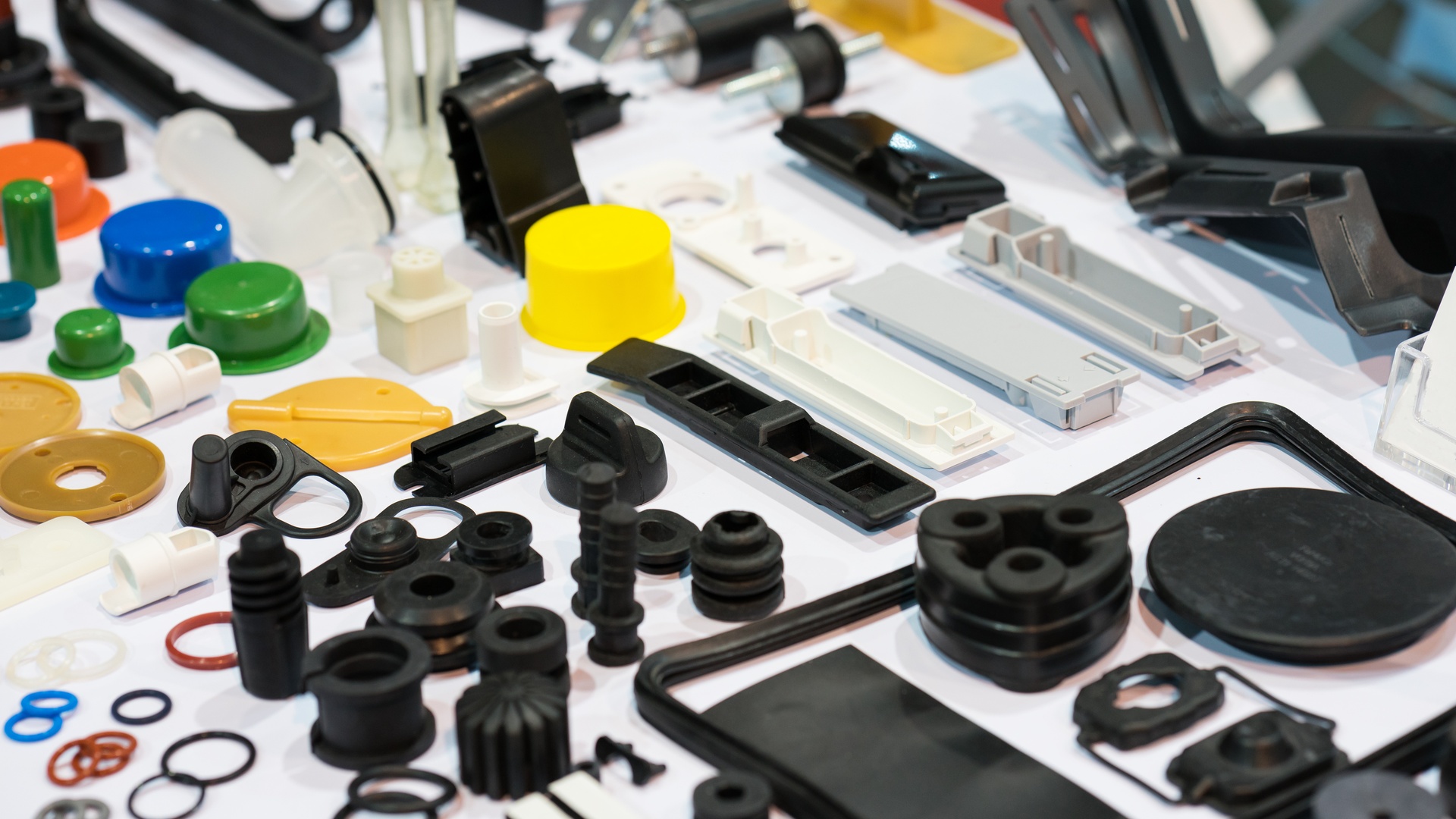
Plastics are everywhere you look, playing a huge role in our daily lives. From the containers holding your food to the car you drive, plastics manufacturing has quietly powered innovation across countless sectors. This versatile material offers durability, flexibility, and cost-effectiveness, making it an indispensable resource. Let's explore some of the key industries that benefit from plastics manufacturing.
Packaging Industry
The packaging industry has been completely reshaped by plastics. Before plastics became widespread, materials like glass, metal, and paper dominated, but they each had limitations in terms of weight, cost, and durability. Plastics offer a lightweight yet strong solution that protects products during shipping and extends their shelf life.
This is especially true for the food and beverage sector, where plastic packaging helps keep items fresh, prevents contamination, and reduces food waste. Its versatility also allows for creative and functional designs, from resealable pouches to tamper-evident containers, giving businesses more ways to safely deliver their goods to consumers.
Healthcare Industry
The healthcare industry also benefits from plastics manufacturing. Many medical devices and equipment rely on plastics for their reliability and disposability.
Single-use items like syringes, IV bags, and surgical gloves are made from medical-grade plastics to prevent cross-contamination and the spread of infections. Furthermore, durable plastics are used to create life-saving equipment such as incubators, prosthetics, and diagnostic machinery. The material's adaptability has allowed for incredible advancements in medical technology, making procedures safer and more accessible.
Aerospace Industry
Plastics manufacturing in the aerospace industry plays a vital role in the quest for innovation. Just as in the automotive sector, reducing weight is a top priority for aircraft and spacecraft design. Lighter planes are more fuel-efficient and can travel longer distances.
Advanced plastics and composite materials are used to construct various parts of an aircraft, including cabin interiors, wings, and fuselage components. These materials must withstand extreme temperatures and pressures, and specially engineered plastics meet these demanding requirements while offering superior strength and durability.
Plastics manufacturing continues to be a cornerstone of modern industry. As technology evolves, the applications for this versatile material will only continue to grow, paving the way for even more innovative solutions in the future.