


Important Tips for Serving Wine at Your Wedding
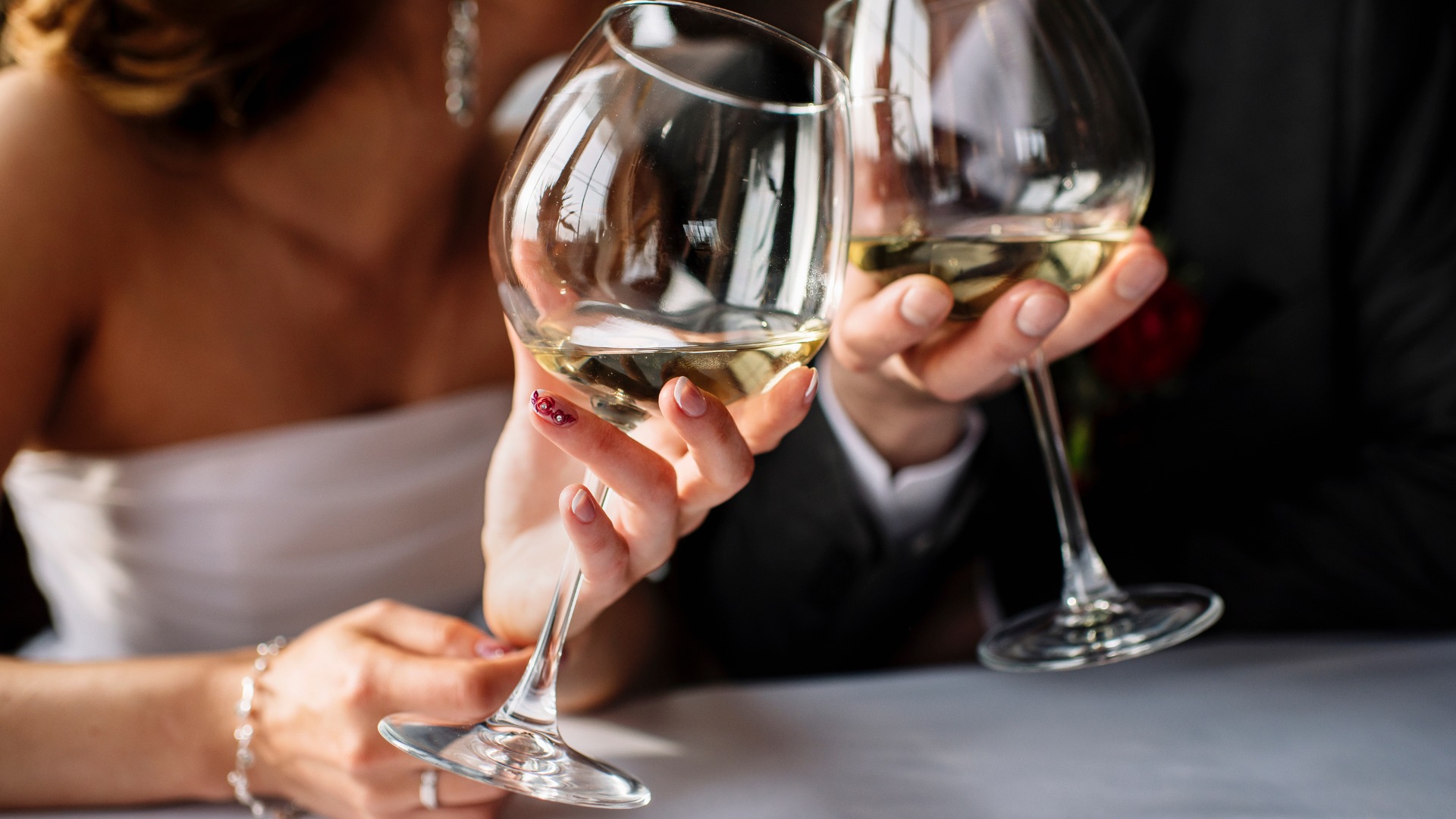
The way you serve wine at a wedding can shape the mood, elevate the meal, and bring guests together in a natural way. Smart choices around wine service help create a relaxed, polished atmosphere that feels memorable. As you plan, keep in mind how important tips for serving wine at your wedding can guide your decisions and help everything come together with ease. Use the tips below to start shaping a wine experience that fits your style and vision.
Choose Wines That Fit Your Crowd
Your guest list sets the tone for your wine selection. Some groups lean toward bold reds, while others enjoy crisp whites or something light and refreshing. A balanced mix gives everyone something they’ll enjoy without overcomplicating your menu.
Stick with a few well-chosen options instead of a long list. For example, one red, one white, and one sparkling selection creates variety without overcrowding the menu, and it keeps the decision process quick and easy for guests. This approach also helps your service team move smoothly throughout the event without confusion.
You can also think about the season and overall feel of your wedding. A summer celebration pairs well with lighter wines, while a fall event can lean into richer flavors. Let the setting guide your choices rather than trying to cover every preference.
Work With Your Venue’s Expertise
Lean into your venue’s strengths if they specialize in wine. For example, a vineyard venue brings built-in knowledge that can make your life easier. Their team understands how wine fits into the flow of an event and can help guide your selections. That expertise is only one of many reasons to have your outdoor wedding at a vineyard.
A strong level of familiarity with wine allows for thoughtful recommendations that match your menu, timeline, and guest count. Lean on that expertise and have open conversations about pairings, quantities, and service style. This kind of collaboration keeps everything cohesive and removes a lot of guesswork from your planning process.
Plan the Right Amount of Wine
Running out of wine can interrupt the atmosphere, while too much can feel wasteful. A rough guideline helps you land in the right range. For a typical wedding, you can expect one bottle to serve about two to three guests across the reception. If wine plays a central role in your celebration, you may want to increase that estimate slightly.
On the other hand, if you’re offering beer or cocktails alongside wine, you can scale your wine count back a bit to reflect those additional options. Your venue or coordinator can help fine-tune these numbers based on your timeline and guest habits. That extra layer of planning helps you stay fully prepared without overdoing it.
Think About Timing Throughout the Event
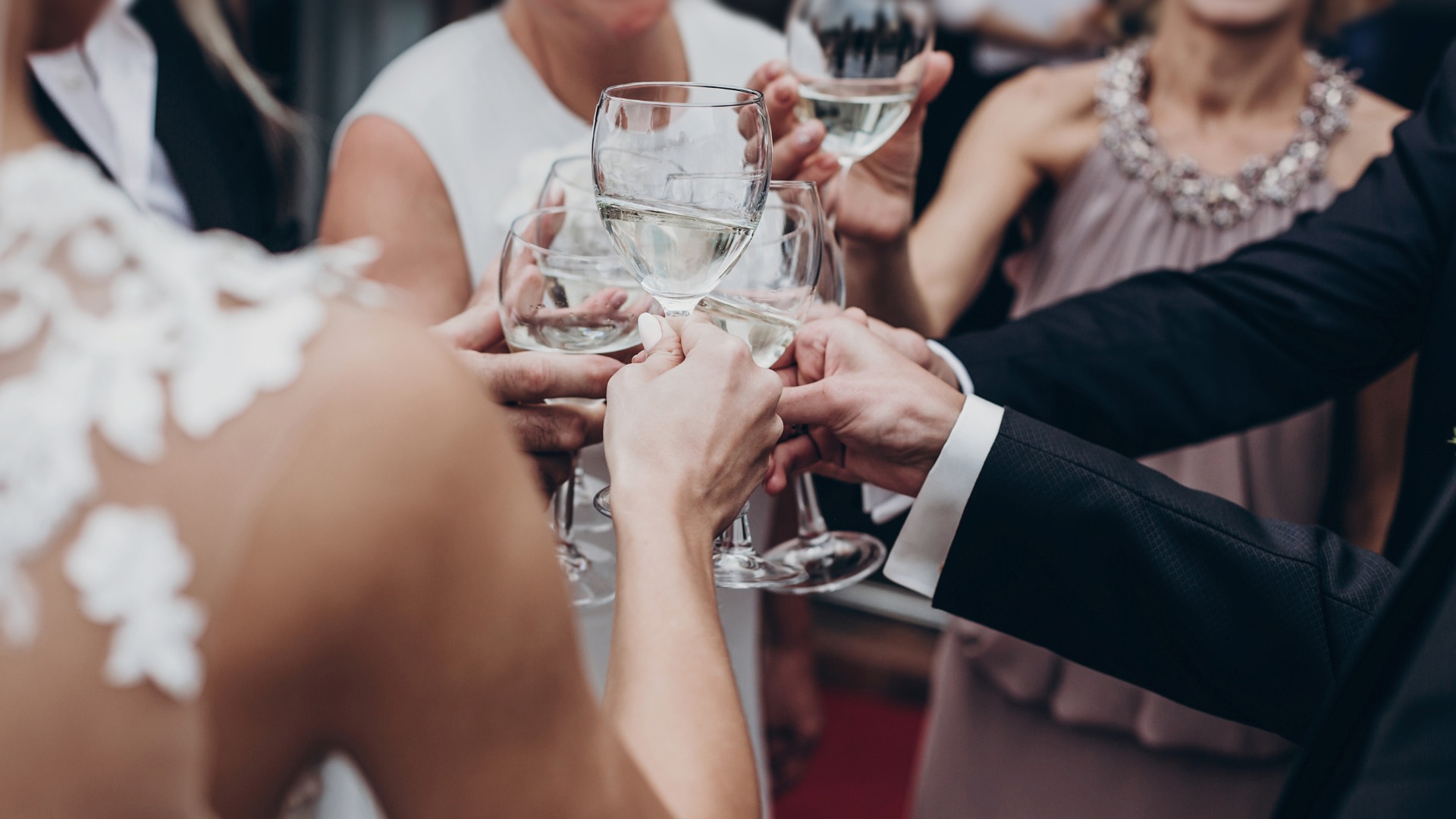
Wine service doesn’t need to stay the same from start to finish. Different moments call for different styles, and this natural shift keeps things interesting for your guests. You might start with lighter whites or sparkling wine during the welcome hour to set a fresh, inviting tone. As dinner begins, reds and whites that complement the meal can take center stage. Toasts usually call for sparkling wine, which adds a celebratory feel, and later in the evening, offering a mix of guest favorites helps keep the energy relaxed and enjoyable.
Serve Wine at the Right Temperature
Temperature has a huge impact on how wine tastes. Even a great bottle can fall flat if you don’t properly serve it. White and sparkling wines tend to shine when they’re chilled, though not overly cold, while red wines are best served slightly below room temperature. This balance allows each wine to show its full character without losing flavor.
Outdoor settings, especially vineyard venues, add another layer to consider. Shade, ice buckets, and proper storage all help maintain quality throughout the event. Your venue team will usually handle this, though it’s always a good idea to confirm those details ahead of time.
Use the Right Glassware
Glassware might seem like a small detail, but it shapes the entire experience. The right glass allows guests to enjoy the aroma and flavor of each wine in a more complete way. You don’t need a separate glass for every type of wine. A versatile option works well for both reds and whites, which keeps things practical without losing that elevated feel.
Your wine glass choice also helps streamline setup and service. Matching glassware across your tables brings a sense of cohesion to your overall design. It’s a subtle touch that contributes to a polished look.
Pair Wine With Your Menu
Food and wine work best as a team. When they complement each other, both become more enjoyable. Lighter dishes like chicken or seafood tend to pair well with white wines such as Sauvignon Blanc or Chardonnay. Richer meals, like beef, usually match nicely with bold reds like Cabernet Sauvignon.
Vegetarian options can go in a few directions depending on the flavors, which gives you some flexibility in your selections. You don’t need to chase perfection here. Aim for combinations that feel natural and approachable, and your venue or caterer can help guide you toward choices that fit your menu and overall style.
Consider a Signature Wine Moment
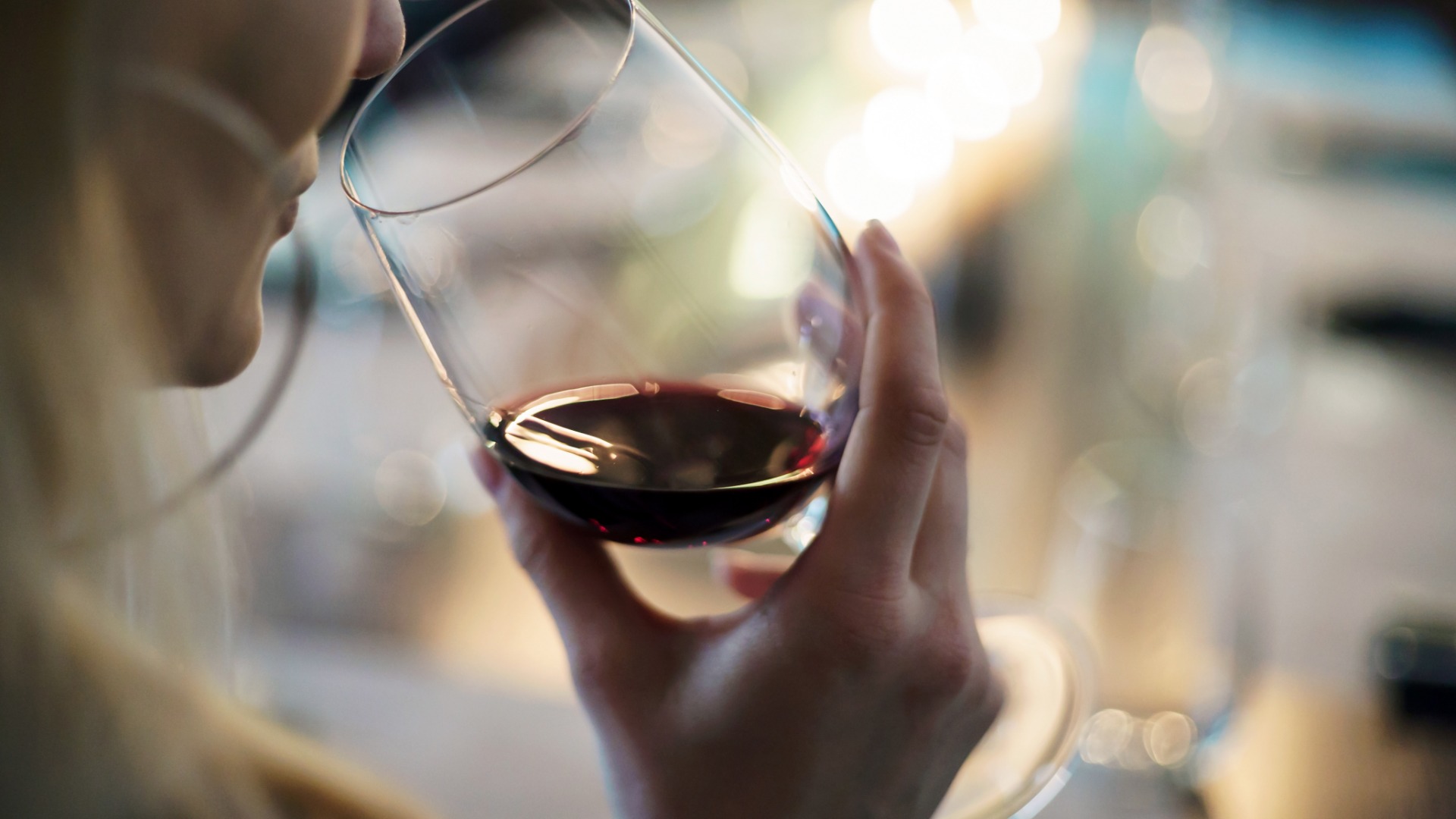
A signature touch can make your wine service feel more personal. This could be a favorite bottle, a meaningful label, or a wine tied to your story as a couple. Some couples highlight a special vintage during toasts, while others choose a wine directly connected to a shared memory or milestone. These details create a sense of connection and give guests a glimpse into your story.
Make Service Easy for Guests
The best wine service feels effortless from the guest’s perspective. Clear access, friendly service, and smooth flow all play a role in that experience. You can opt for table service if you prefer a more formal feel, or bar service if you want to give guests more flexibility.
Some weddings blend both approaches, which can work well depending on your layout and timeline. When everything feels intuitive, guests can focus on enjoying the moment rather than thinking about logistics.
As you reflect on important tips for serving wine at your wedding, it becomes clear how much these details shape the overall experience. Thoughtful selections, smooth service, and a connection to your setting create something that feels both polished and welcoming. Take these ideas and shape them around your vision.