


Important Safety Tips for Towing Heavy Loads
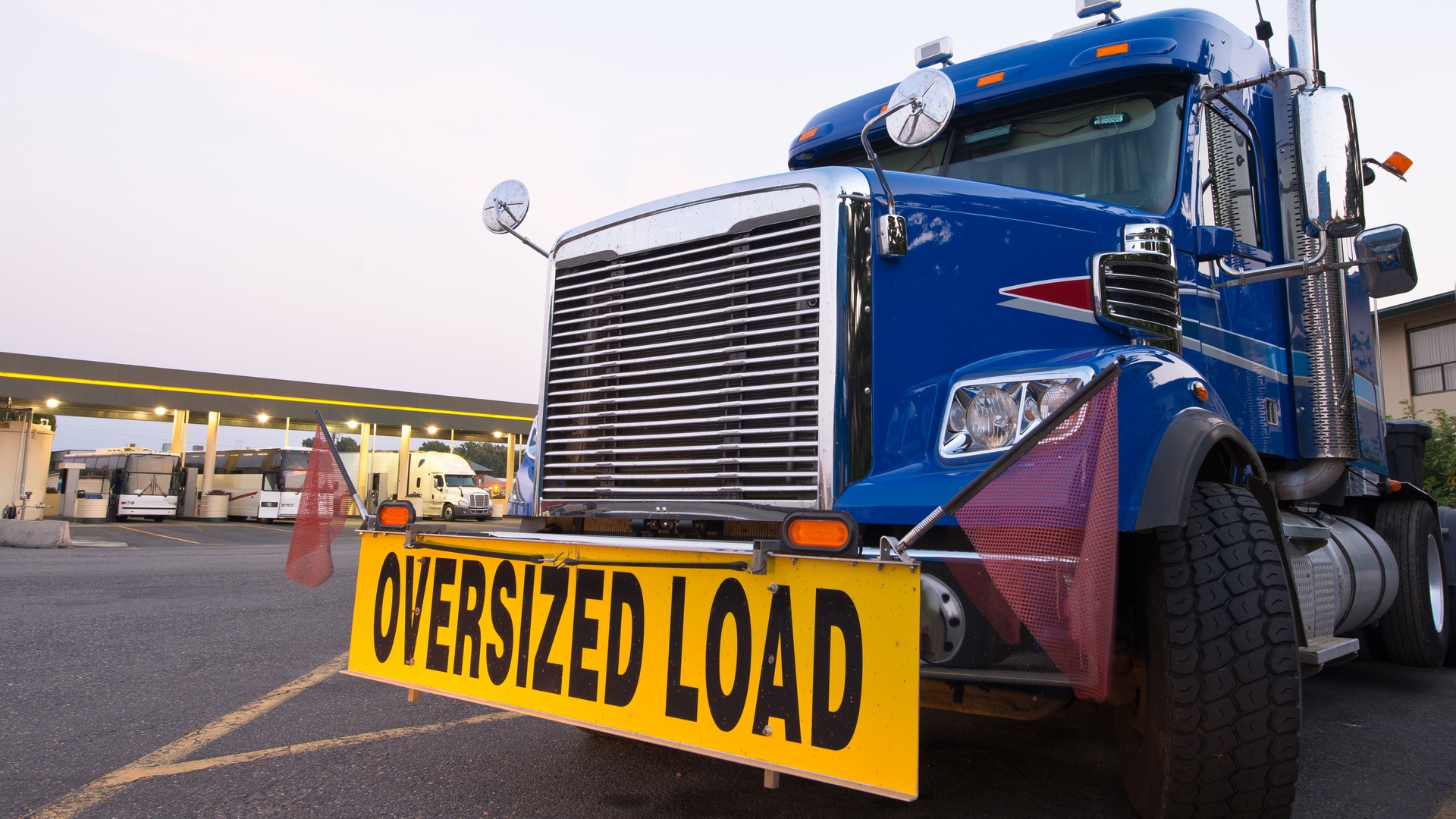
Towing a heavy load transforms the way your vehicle handles, stops, and accelerates. Whether you are hauling a camper for a weekend getaway or moving construction equipment, safety must always be the priority. Ignoring basic precautions can lead to dangerous sway, loss of control, or mechanical failure. By following these important safety tips for towing heavy loads, you can ensure a smooth journey and protect yourself and other drivers on the road.
1. Inspect Your Equipment
Before you even turn the key, a thorough inspection is non-negotiable. Walk around your vehicle and trailer to check the condition of your tires, ensuring they are properly inflated and have sufficient tread depth. Test your brakes and all lights, including turn signals and brake lights, to confirm they are functioning correctly. Loose connections or worn-out parts can cause catastrophic failure at highway speeds, so take the time to verify that everything is secure and in good working order.
2. Distribute Weight Properly
How you load your trailer significantly impacts stability. You should aim to place about 60% of the cargo weight in the front half of the trailer, closest to the vehicle. This helps maintain tongue weight and prevents the trailer from swaying uncontrollably. Securing items tightly is also crucial to prevent shifting during transit. Investing in the right accessories for better loading and hauling, such as ratchet straps or cargo nets, can make a significant difference in keeping your load stable and secure.
3. Drive at a Safe Speed
Towing adds significant mass to your vehicle, increasing the time and distance required to stop. Exceeding speed limits or driving too fast for conditions is a recipe for disaster. Reduce your speed to maintain control, especially when going downhill or navigating curves. Leave plenty of room between you and the vehicle in front to account for increased braking distance. Patience is key when hauling heavy loads.
4. Take Breaks
Long drives can be exhausting, and towing requires heightened concentration, which accelerates fatigue. Plan your route to include regular stops every two hours or hundred miles. Stepping out of the vehicle allows you to stretch your legs, refresh your mind, and perform a quick check of your towing setup. A tired driver has slower reaction times, so prioritizing rest is essential for arriving safely.
Following these important safety tips for towing heavy loads will give you peace of mind on your next trip. Proper preparation ensures a safer and smoother journey for you and others on the road.