


The Impact of Soil Types on Construction Projects
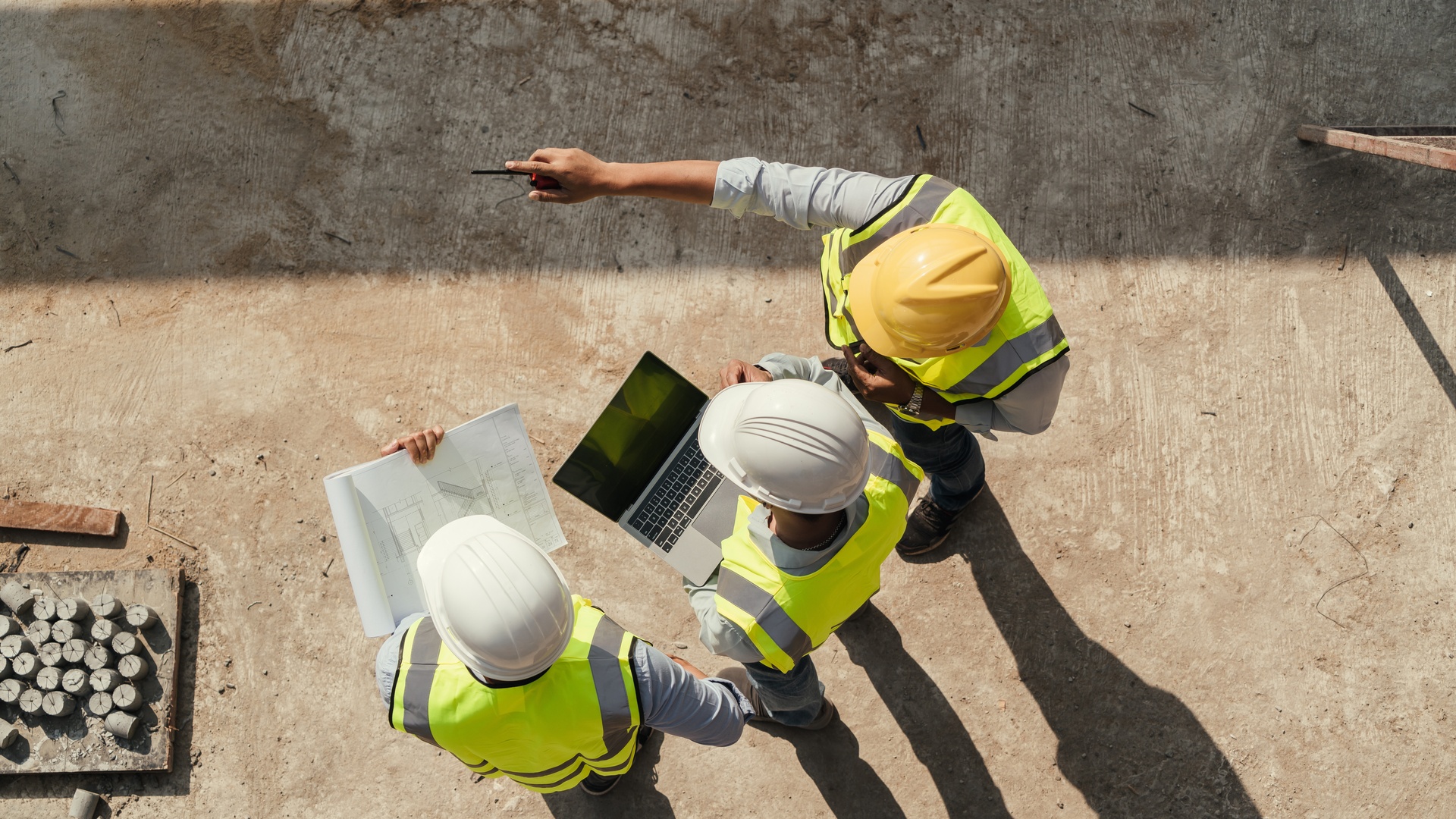
Have you ever wondered what lies beneath a towering skyscraper or a sturdy bridge? It’s not just concrete and steel; the very ground it stands on plays a monumental role. Understanding the impact of soil types on construction projects is fundamental to creating safe and durable structures. The soil under a building is the first line of defense against collapse, which makes its composition a top concern for any construction project.
Why Soil Type Matters
The ground beneath our feet isn’t uniform. It varies widely from place to place, and each type of soil behaves differently under pressure. Some soils, like clay, expand and contract with changes in moisture, which can exert immense force on a building’s foundation.
Other soils, like sand, may shift and settle over time. A thorough soil analysis enables engineers to design a foundation that can properly support the structure for decades to come, preventing cracks, shifts, and other serious issues down the road.
Exploring Different Soil Types
Let’s dig into some common soils. Clay is made of tiny particles that stick together, becoming hard when dry and pliable when wet. Its tendency to swell and shrink requires special foundation considerations to avoid structural damage.
Sand and gravel, on the other hand, have larger particles and drain water well, which makes them a stable base for construction. Loam, a mix of sand, silt, and clay, is another excellent soil for building because it balances water drainage and retention, offering a firm foundation.
Bedrock: The Ultimate Foundation
When it comes to stability, nothing beats bedrock. This solid layer of rock beneath the surface soil is the strongest possible foundation for any construction project. Building on bedrock provides unparalleled support and eliminates concerns about soil settlement.
For massive structures, like skyscrapers, engineers will drill deep into the ground to anchor the foundation directly to the bedrock. This process involves careful planning, especially when choosing the right auger speed to penetrate the earth without causing instability.
A Solid Foundation for Success
Before the first brick is ever laid, a successful construction project begins with a deep understanding of the ground it will rest upon. Assessing the soil helps determine the right building techniques and foundation design to prevent future problems.
This initial step is critical for the long-term safety and integrity of the structure. By appreciating the impact of soil types on construction projects, we can build with confidence, knowing our structures are set on solid ground.