


The Ideal Timeframe for an Oil Spill Cleanup Process
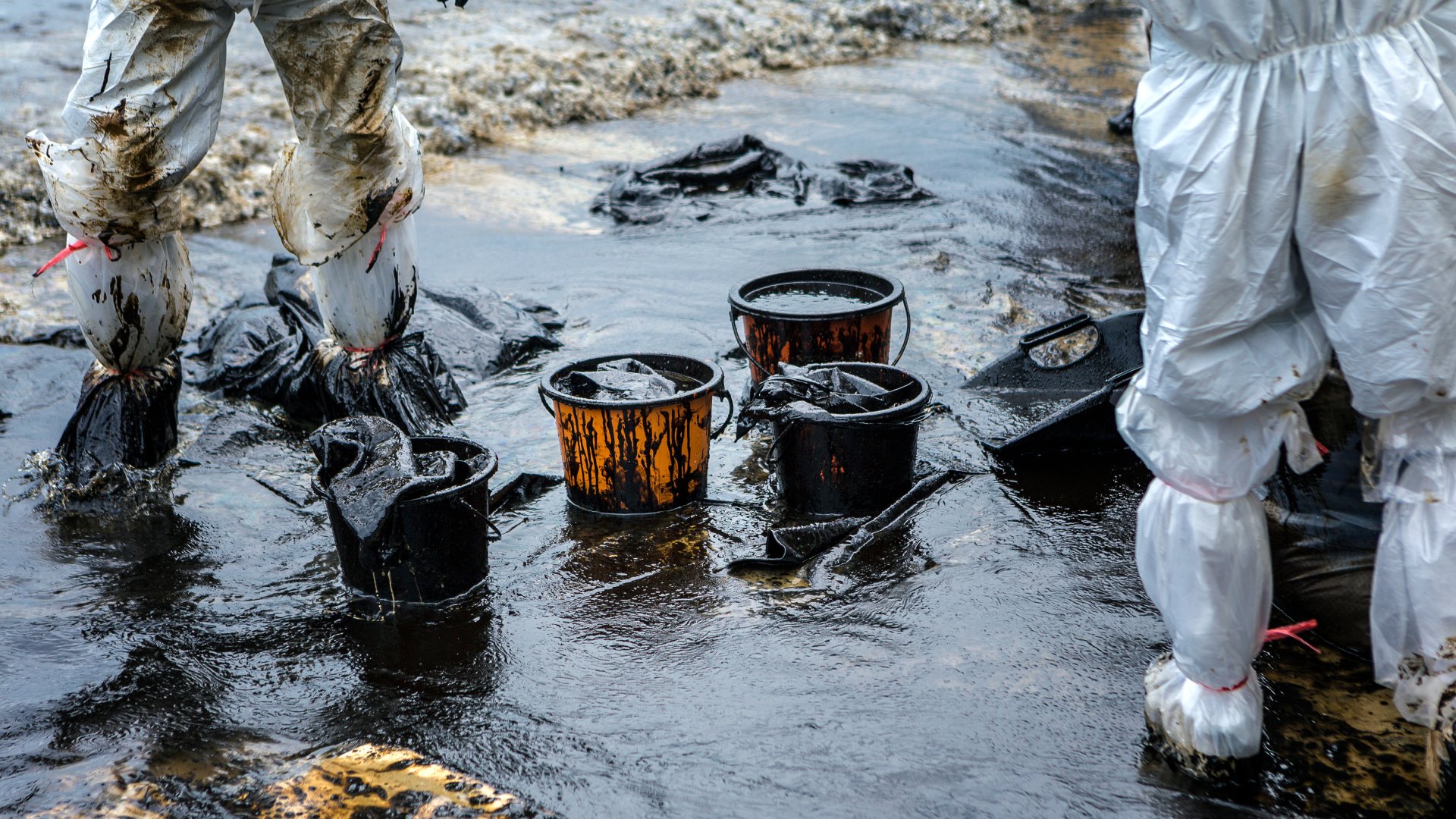
When an oil spill occurs, the immediate question is often, “How long will it take to clean up?” The answer is complex, as the timeline can range from days to decades, depending on the scale of the spill and the environmental conditions. This process involves breaking things down into distinct phases, each with its own goals and challenges. Explore the ideal timeframe for an oil spill cleanup process, from hours to years.
Immediate Response: The First 48 Hours
The first 24 to 48 hours are the most critical in any oil spill response. During this period, emergency crews focus on two main objectives: containing the spill and protecting sensitive coastal areas.
Response teams deploy containment booms—long, floating barriers—to encircle the oil and prevent it from spreading further. At the same time, they use skimmers, which are vessels that skim oil from the water’s surface.
The primary goal is to remove as much free-floating oil as possible before it can reach shorelines or break down and sink into the water column. Swift and decisive action in this initial phase can significantly reduce the overall environmental impact and shorten the long-term cleanup duration.
Short-Term Cleanup: Days to Weeks
After containing the initial spill, the short-term cleanup phase can begin. This stage can last from several days to a few weeks and involves more intensive efforts to remove the remaining oil.
Cleanup crews may use various techniques, including the application of dispersants to break down the oil into smaller droplets that can be more easily degraded by natural processes. Finding the right surfactant for oil spill cleanup is important, as it enhances the effectiveness of these dispersants.
Workers also begin cleaning affected shorelines, using methods like high-pressure washing, sorbent materials to mop up oil, and manual removal with shovels and rakes. Crews can measure this phase’s success by how much visible oil they remove from the surface and coastal habitats.
Long-Term Remediation: Months to Years
Even after the visible oil is gone, the work is far from over. The long-term remediation phase, which can last for months or even years, addresses the lingering environmental damage.
During this stage, scientists monitor the ecosystem to assess the health of fish, wildlife, and plant life. Efforts focus on restoring habitats that were damaged by the spill.
This may involve replanting coastal vegetation, reintroducing native species, and cleaning contaminated soil and sediment. Ongoing monitoring ensures that the ecosystem is recovering and that no residual oil poses a threat to the environment.
Factors Affecting the Timeframe
Several factors can influence how long the cleanup process takes:
- Size of the Spill: Larger spills naturally require more time and resources to manage.
- Type of Oil: Lighter oils may evaporate more quickly, while heavier oils can persist in the environment for longer periods.
- Spill Location: Spills in open water are often easier to contain than those in complex coastal environments like marshes or mangrove forests.
- Weather Conditions: Wind, waves, and currents can either help or hinder cleanup efforts by spreading or containing the oil.
Cleaning up an oil spill is a marathon, not a sprint. While the initial, highly visible efforts may conclude within weeks, the full ecological recovery timeframe can take years. The ultimate goal is to restore the affected environment to its original state. This requires a sustained commitment from response teams, scientists, and government agencies long after the initial crisis passes.