


How Welding Impacts Plastic Processing Equipment
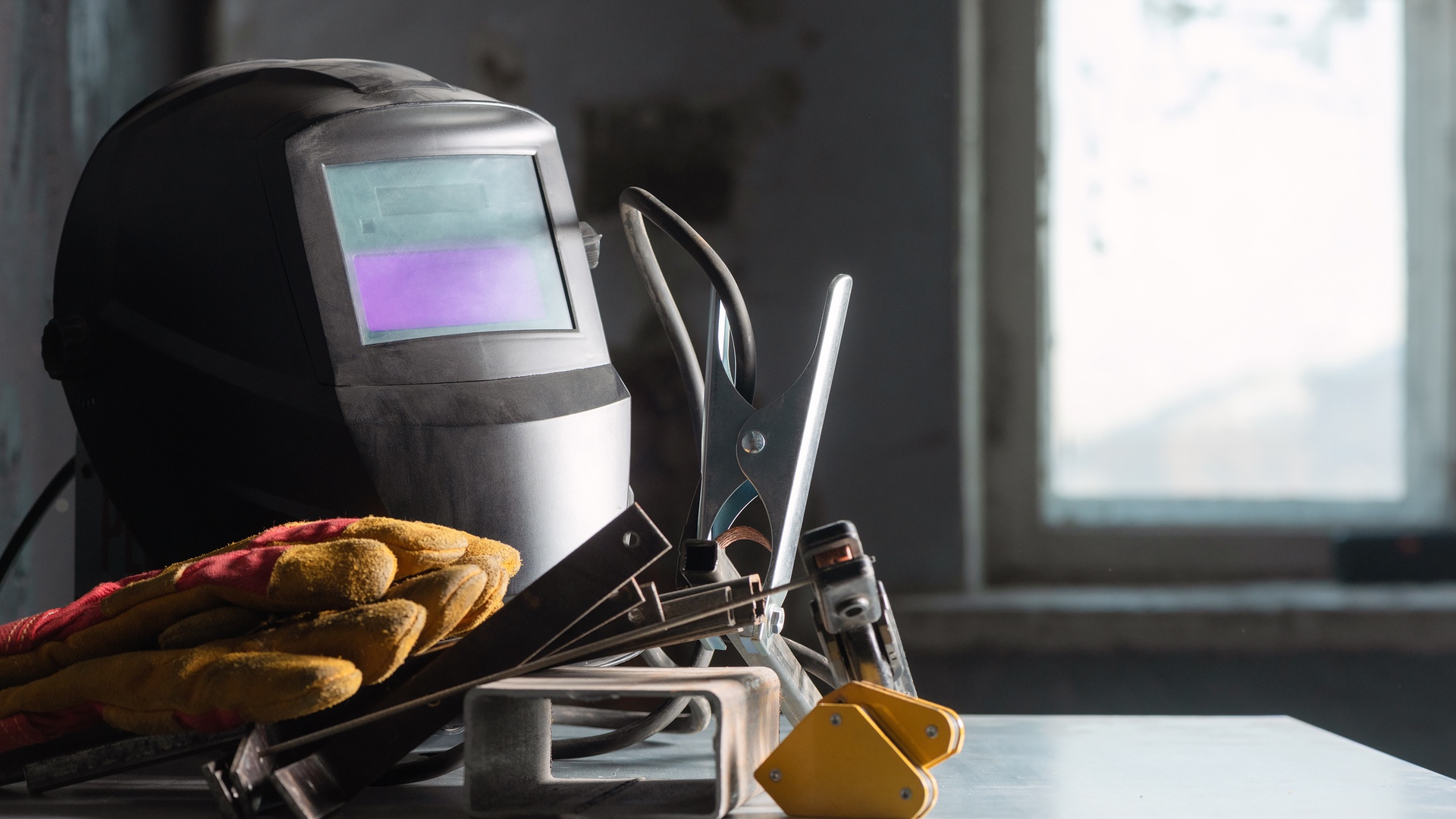
Plastic processing equipment faces tough demands every day, whether it’s high heat, constant pressure, or heavy-duty use. If you want your equipment to hold up to these tough conditions, it often comes down to one thing: the integrity of its welds. Understanding how welding impacts plastic processing equipment helps explain why reliable, consistent welds are at the core of efficient, long-lasting production. When welds are done right, equipment stays productive and unexpected breakdowns are far less likely.
How Quality Welds Keep Equipment Running
Most heavy machinery is only as strong as its frame. In the world of plastics, tools like extruders, injection molders, and thermoformers depend on solid, expertly joined metal parts to keep moving through demanding jobs. If even one critical weld fails, it can result in anything from annoying downtime to major repairs that impact your budget and your schedule.
The best welds reinforce every joint so that no section becomes a weak spot under stress. Properly welded seams stop parts from shifting or bending out of alignment, helping the machine operate with the kind of precision plastic processing demands. Strong welds cut down on maintenance costs and keep equipment in service longer.
Why Precision Welding Drives Better Results and Safer Operations
Precision welding isn’t just about holding things together; it’s also about preventing leaks, pressure drops, or heat loss in essential parts like hoppers, molds, and barrels. A careless weld can cause uneven temperatures, introducing flaws into finished plastic parts or causing inefficient production cycles.
Additionally, safety rides on the quality of each weld. If a seam gives way under heat or pressure, the whole operation can be at risk. Paying attention to the key factors that define high-quality welding can have a real impact on equipment reliability and day-to-day performance. Sound decisions here go a long way toward supporting consistent production and minimizing unexpected downtime.
How Welding Methods Shape Equipment Performance
Welding isn’t one-size-fits-all. Picking the right approach for each project matters for both short-term efficiency and long-term durability.
- TIG Welding delivers clean, precise joints. This is perfect for the delicate fittings common in medical or pharmaceutical production.
- MIG Welding is fast and reliable. This method works best for bigger structural elements that need to stay tough under strain.
- Laser Welding is useful for working with small, intricate parts, especially when minimal heat and precise, narrow seams are priorities in industries like automotive or electronics.
Picking the right welding method makes all the difference. The choice depends on your specific application, but regardless of the method, quality welding is what keeps plastic processing equipment running strong. When welds are executed correctly, machines maintain structural integrity under stress, operate safely, and deliver consistent results year after year. In an industry where downtime is costly and precision is non-negotiable, investing in expert welding isn't optional; it's essential.